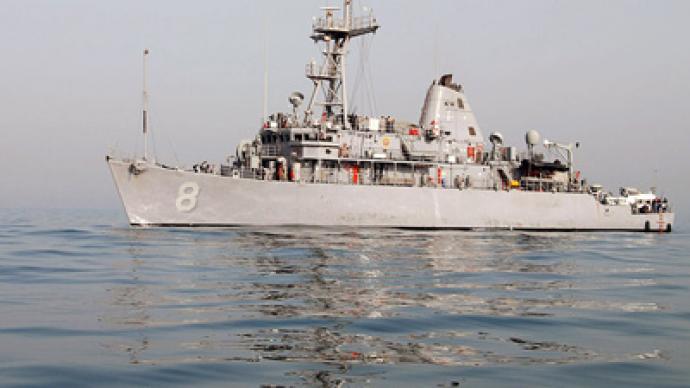
A leading energy expert revealed that the idea of sending American mine sweepers to the Hormuz Strait faces substantial obstacles, rendering it nearly impossible. This statement comes as tensions in the region escalate, with the Hormuz Strait remaining a vital strategic point for global trade.
Mine sweepers are essential military tools used by nations to protect shipping lanes from naval mines. However, deploying this equipment to a troubled area like the Hormuz Strait necessitates complex coordination and precise strategic thinking.
Details of the Situation
The expert noted that the current political conditions, along with logistical challenges, make it exceedingly difficult to execute such a move. The Hormuz Strait, through which approximately 20% of the world's oil passes, is an extremely sensitive area, with military forces from several countries present.
Furthermore, any military action in this region could provoke strong reactions from neighboring countries, complicating the situation further. In this context, sending mine sweepers may require international approvals, which currently seem far-fetched.
Background & Context
Historically, the Hormuz Strait has witnessed recurring tensions between major powers and regional states. There have been several incidents involving commercial vessels, prompting countries to bolster their military presence in the area. In recent years, concerns over threats from naval mines have increased, making mine sweepers a part of military discussions.
Despite this, sending American mine sweepers to the region requires careful consideration of the potential impacts on regional security. Such a move could escalate tensions between the United States and Iran, negatively affecting the stability of the region.
Impact & Consequences
If a decision is made to send mine sweepers, it could lead to varied reactions from the involved countries. Iran is likely to respond strongly, which could heighten tensions in the region. Additionally, this decision may impact global oil prices, as the Hormuz Strait is a crucial transit point for oil.
Moreover, any military escalation in the region could disrupt global trade flows, increasing anxiety among oil-importing nations. Therefore, assessing the potential consequences of such a move is of utmost importance.
Regional Significance
The Arabian Gulf region is one of the most sensitive areas in the world, where economic and political interests intersect. Any military action could affect the stability of neighboring countries, such as Saudi Arabia and the UAE, which heavily rely on oil exports for their economies.
Ultimately, the situation in the Hormuz Strait requires a diplomatic solution rather than a military one. The rising tensions could lead to severe consequences for regional security, necessitating all parties involved to seek peaceful resolutions.