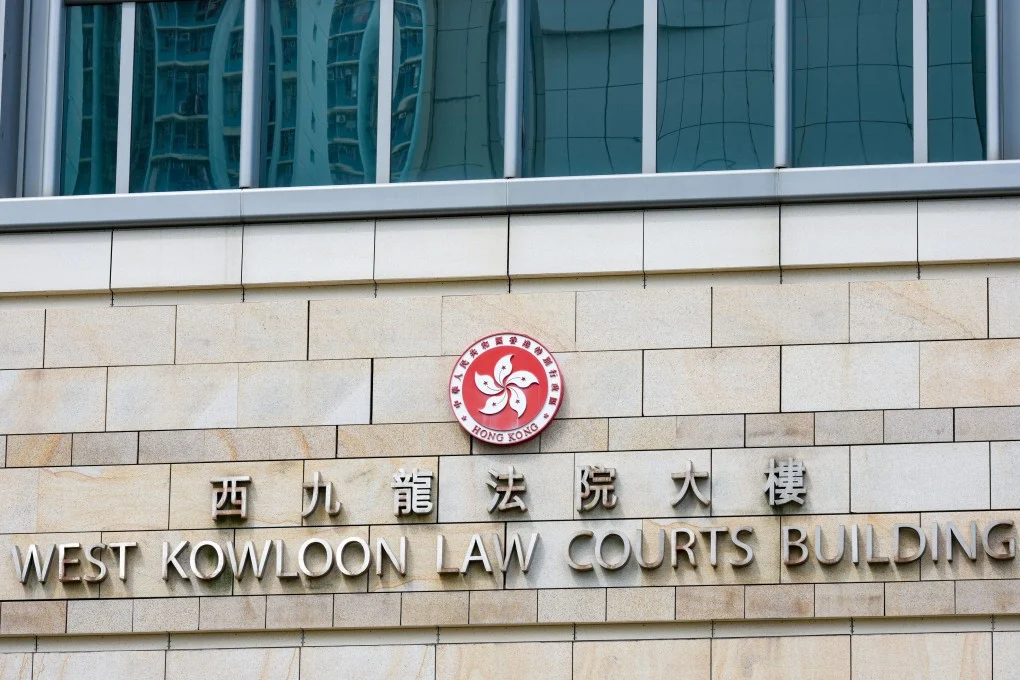
A 63-year-old security guard in Hong Kong has been sentenced to two months in prison after being convicted of sharing a social media post that called on residents to boycott the Legislative Council elections held last December. This ruling was issued by the West Kowloon Court following his admission of inciting the boycott.
During a hearing at the West Kowloon Court, the guard Wong Wah-Kong admitted to sharing a Facebook post dated October 15 of last year, written by the fugitive activist Alan Yeung Ka-Wai. The post urged Hong Kong residents to refrain from participating in the elections, which led to his arrest.
Details of the Case
This case occurs within a broader context of political repression in Hong Kong, where the electoral system has been amended to restrict it to what is known as “patriots only,” resulting in the exclusion of many opposition candidates. This amendment has drawn widespread criticism from human rights organizations and the international community, as it is seen as a step towards undermining democracy in the region.
The sentencing of Wong marks the second of its kind since the implementation of this new system, highlighting the significant impact it has on freedom of expression in Hong Kong. Many activists and journalists have been convicted in recent years due to their political stances, raising global concerns about human rights in the city.
Background & Context
Historically, Hong Kong enjoyed a significant degree of autonomy since its return to China in 1997. However, in recent years, Chinese authorities have begun imposing strict restrictions on civil liberties, leading to widespread protests in 2019. These protests were met with violent repression, as police used force to disperse demonstrators.
In 2021, amendments were made to the electoral system in Hong Kong, reducing the number of eligible candidates and increasing government control over the electoral process. These amendments sparked outrage from the international community, as they were seen as a violation of China’s commitments to Hong Kong.
Impact & Consequences
The ruling against Wong serves as a strong message from the Chinese government to anyone considering expressing their political views. This type of repression could lead to a sharp decline in freedom of expression, as many fear legal repercussions if they voice their opinions.
This ruling may also affect the morale of activists in Hong Kong, as some may feel unable to express their views freely. At the same time, it could lead to increased international support for activists in Hong Kong, as the global community seeks to uphold human rights and civil liberties in the city.
Regional Significance
The events in Hong Kong illustrate how repressive policies can impact civil liberties, which may resonate in Arab countries facing similar oppression. The experiences of Hong Kong could inspire activists in the Arab region to hold onto their rights and advocate for change, despite potential risks.
In conclusion, the ruling against Wong is another example of the challenges facing civil liberties worldwide, highlighting the need for international solidarity to support human rights across the globe.