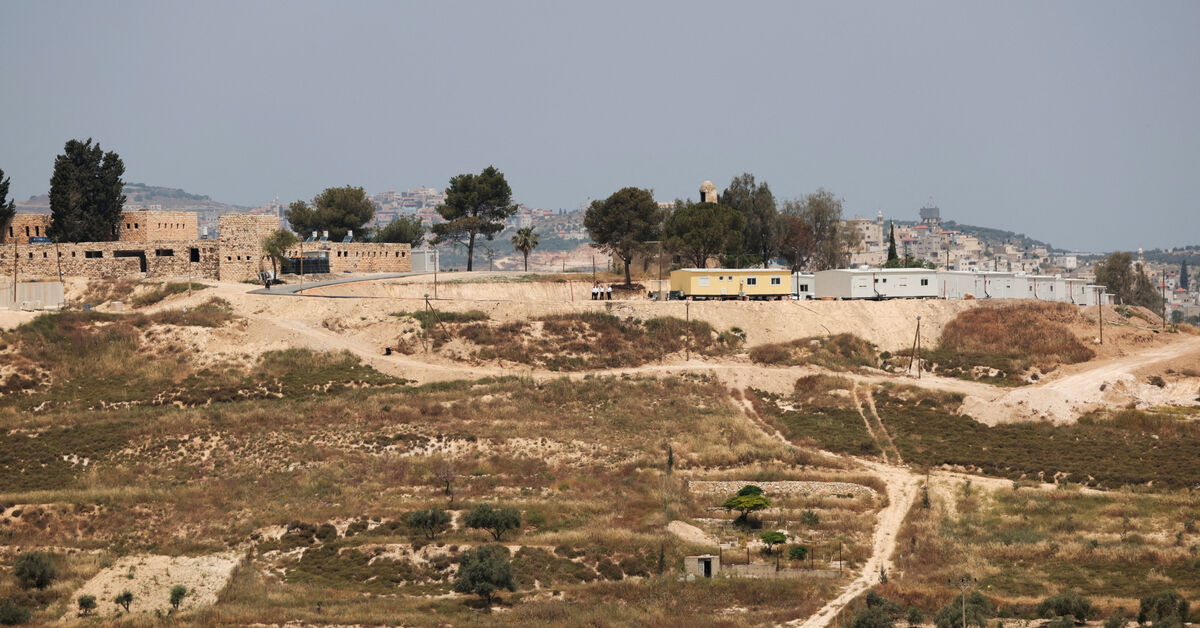
In a distressing incident, a Palestinian family reported that Israeli settlers compelled them to exhume their father's grave in the village of Asasa in the West Bank. Hussein Asasa, who died last Friday at the age of 80, was buried in the village cemetery near the city of Jenin after the family secured all necessary permits from the Israeli army.
Mohammed Asasa, the deceased's son, stated that Israeli forces were present at the site during the burial process, raising questions about how settlers were allowed to intervene at such a sensitive moment. This incident reflects the escalating tensions between Palestinians and settlers in the area, especially under the current Israeli policies that promote settlement expansion.
Details of the Incident
Hussein Asasa passed away last Friday and was buried on the same day in his village cemetery. However, shortly after his burial, Israeli settlers invaded the site and forced the Asasa family to exhume the grave. This incident is not the first of its kind, as the West Bank has witnessed numerous similar violations by settlers, raising international concern regarding Palestinian rights.
The family, hoping to be left in peace to honor their father, found themselves facing an inhumane situation. These events reflect a state of instability and ongoing tension in the West Bank, where assaults on Palestinians by settlers are increasing.
Background & Context
Historically, the West Bank has seen a rise in Israeli settlement activities, particularly since the government of Prime Minister Benjamin Netanyahu took office. These activities often lead to heightened tensions between Palestinians and settlers, creating an environment of fear and insecurity. In recent years, incidents of assaults on Palestinians have increased, including physical attacks and threats, making daily life for Palestinians more challenging.
Furthermore, these incidents raise questions about the international community's commitment to protecting Palestinian rights, as many governments overlook these violations. At the same time, human rights organizations continue to document these abuses, contributing to global awareness of the situation in the West Bank.
Impact & Consequences
This incident reflects the profound impact of the Israeli occupation on the lives of Palestinians, as violations extend beyond physical boundaries to infringe upon their basic human rights. Exhuming the grave symbolizes loss and an assault on human dignity, intensifying feelings of frustration and anger among Palestinians.
Moreover, these events may lead to an escalation of tensions in the region, as Palestinians may feel compelled to defend their rights more vigorously. Such incidents could also affect international efforts aimed at achieving peace, as calls to halt settlement expansion and assaults on Palestinians grow louder.
Regional Significance
This incident serves as a stark reminder to the Arab community of the importance of the Palestinian cause, as Palestine remains a central issue in Arab politics. The escalation of Israeli violations may impact relations between Arab countries and Israel, potentially leading to increased Arab support for Palestinians in international forums.
Ultimately, the international community must act urgently to protect Palestinian rights and ensure that such violations do not recur. Arab solidarity with the Palestinian cause is vital in facing the ongoing challenges that the Palestinian people encounter.