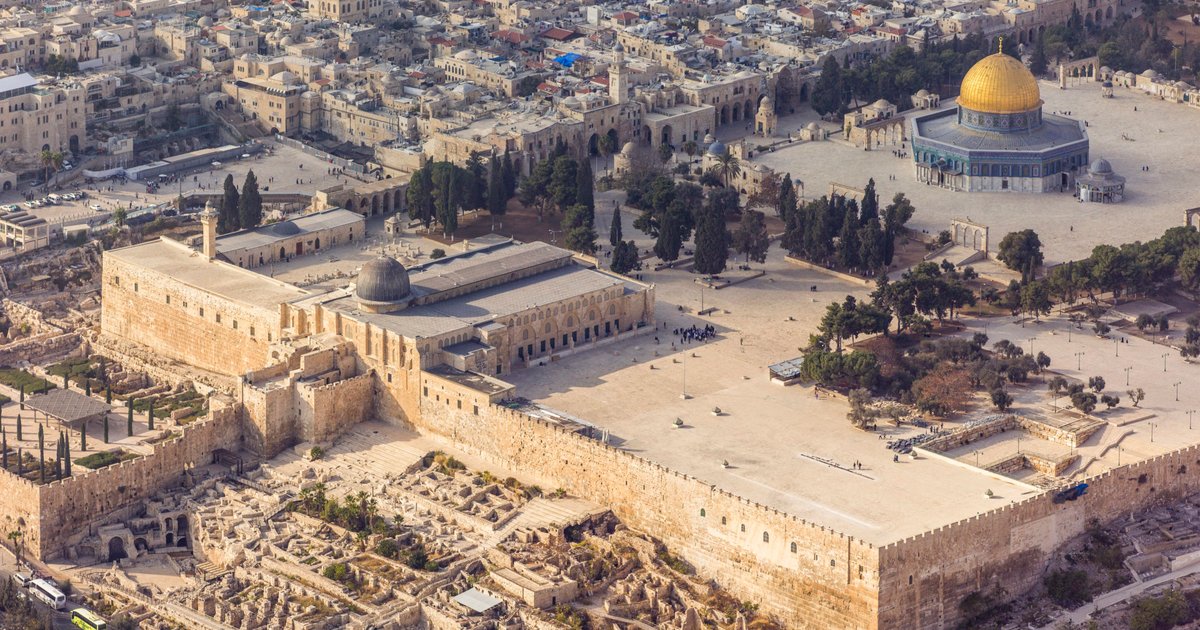
In an unprecedented step, a radical Jewish organization announced the introduction of Torah texts designated for prayer at Al-Aqsa Mosque, following approval from Israeli occupation police. This move comes about three months after the permission was granted to bring basic Jewish prayer papers into the mosque, raising questions about changes to the status quo at this sacred site.
Israeli Channel 7 reported that the new permission includes expanded papers containing prayer texts prepared for the "Temple Mount," which is considered an escalation in the attempts by extremist groups to control Al-Aqsa Mosque. The "Temple Mount Religious School" confirmed that Israeli National Security Minister, Itamar Ben Gvir, and the regional police chief made significant efforts to facilitate this prayer at the site.
Details of the Event
In an official statement, the school headed by Rabbi Elisha Wolvson declared that "the Temple Mount is gradually returning to be a place for prayer and prostration," indicating that the introduction of expanded prayer papers evokes feelings of pride and joy among their followers. Ben Gvir had allowed the entry of basic prayer papers last January, leading extremist Temple groups to announce their intention to bring in "tefillin" and prayer books during incursions.
The recent changes came after Ben Gvir appointed a new police chief in Jerusalem, Afshalom Peled, known for his closeness to extremist groups. These changes reflect a shift in Israeli policy towards Al-Aqsa Mosque, where incursions have seen a significant increase since 2003, with the number of intruders rising to over 73,000 in 2025.
Background & Context
Since 1967, Israeli occupation authorities have controlled the keys to the Mughrabi Gate, allowing them to organize incursions. The historical status quo at Al-Aqsa Mosque, which is managed by the Islamic Waqf under Jordanian authority, faces increasing challenges due to these incursions. Settlers have been allowed to enter in groups, significantly increasing their numbers.
Historically, Al-Aqsa Mosque is one of the holiest sites in Islam and is part of the Palestinian-Israeli conflict. The escalation in incursions and the transfer of prayer texts reflect the increasing tensions in the region and raise fears of a larger escalation in the future.
Impact & Consequences
This move could exacerbate tensions between Palestinians and Israelis, as Palestinians view these actions as an attempt to alter the status quo at Al-Aqsa. The escalation in incursions may lead to strong reactions from Palestinians, potentially intensifying the conflict in the region.
Moreover, the introduction of expanded prayer texts may encourage extremist groups to take more radical steps, complicating the security situation in Jerusalem. These developments could also impact Israeli relations with Arab countries, especially amid ongoing regional tensions.
Regional Significance
The recent steps at Al-Aqsa Mosque raise widespread concern in the Arab world, as Al-Aqsa is a symbol of Islamic identity. Any change in the status quo could lead to widespread public reactions in Arab countries, increasing regional tensions.
Furthermore, these events may affect peace efforts in the region, as the Palestinian issue is central to Arab politics. The escalation at Al-Aqsa could reignite protests and demonstrations in Arab countries, putting additional pressure on Arab governments to respond to these events.
In conclusion, the introduction of prayer texts to Al-Aqsa Mosque represents an escalatory step in the Palestinian-Israeli conflict, reflecting the increasing tensions in the region. It is crucial to monitor these developments closely, as they may lead to widespread repercussions on security and stability in the area.