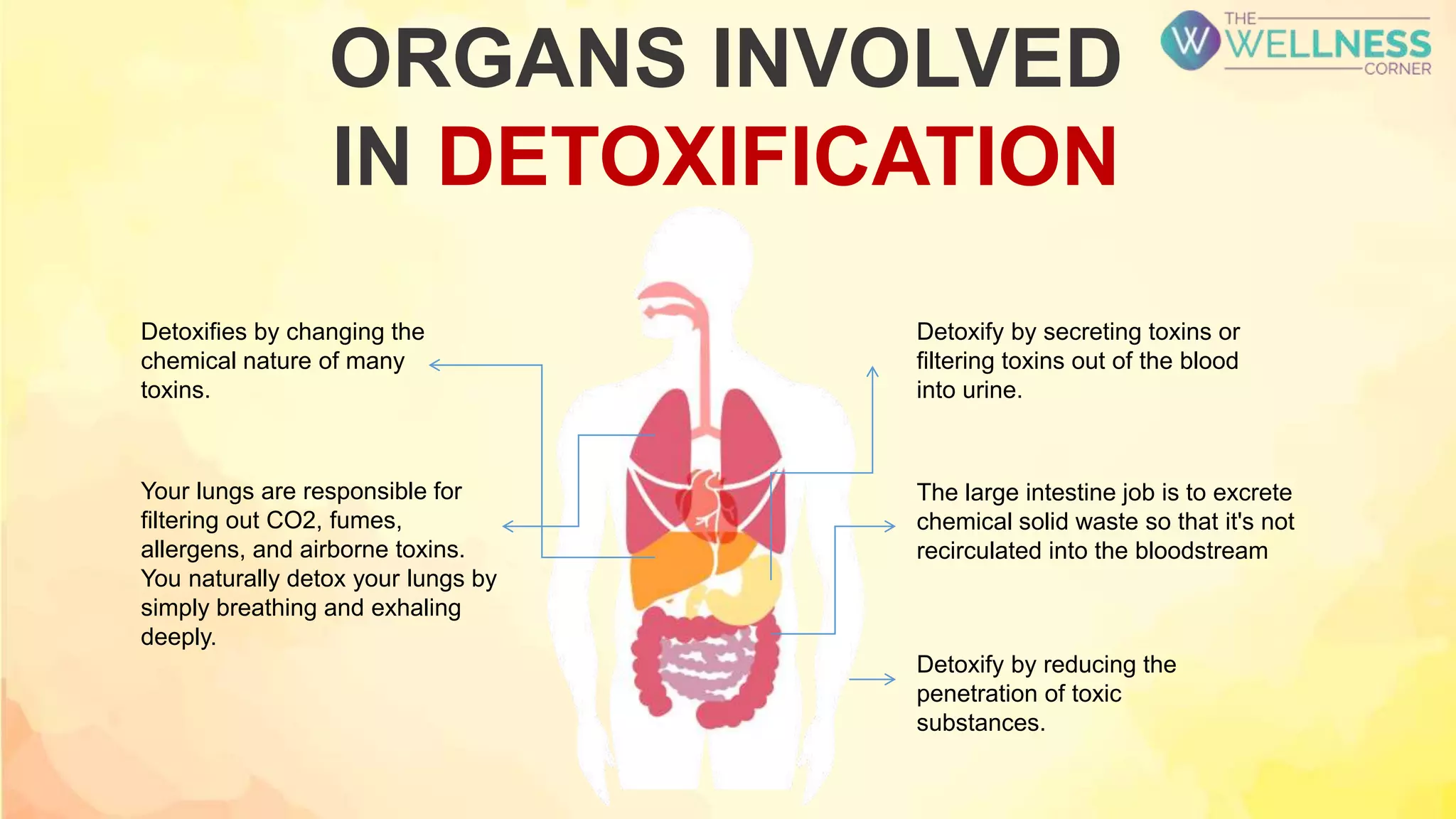
A clinical nutritionist has reported that the body possesses natural mechanisms for detoxification, with seven main organs playing a crucial role in this process. These organs include the liver, kidneys, lungs, skin, intestines, lymph nodes, and spleen, each contributing uniquely to maintaining the body's health.
The liver, for instance, is one of the most important organs responsible for filtering blood and removing toxins. It converts harmful substances into less harmful compounds, making it easier for the body to eliminate them. Additionally, the liver stores essential vitamins and minerals necessary for the body's health.
Details of the Detoxification Process
The kidneys filter fluids and waste from the blood, producing urine that contains toxins and excess minerals. This process helps maintain the balance of fluids and salts in the body.
The lungs also play a significant role in detoxifying the body through the process of breathing. Every time we breathe, we expel carbon dioxide and other harmful substances. The skin, in turn, acts as a barrier and expels toxins through sweat.
Background & Context
The self-purification process of the body is essential for maintaining overall health. With the increasing environmental and nutritional pressures, it has become crucial to understand how our bodies can cope with these challenges. The intestines, for example, play a vital role in digesting food and absorbing nutrients, as well as contributing to waste elimination.
The lymph nodes filter lymphatic fluids from toxins and germs, enhancing the body's ability to fight diseases. Meanwhile, the spleen stores blood and filters out damaged cells.
Impact & Consequences
Highlighting these organs and their role in the body's self-purification reflects the importance of caring for overall health. As chronic diseases such as diabetes and heart disease increase, it becomes essential to raise awareness about how to support these organs through a healthy lifestyle.
Improving dietary habits and engaging in regular exercise can enhance the functions of these organs, contributing to better overall health and disease prevention. Additionally, consuming adequate amounts of water aids the kidneys in performing their functions more effectively.
Regional Significance
In the Arab region, where many countries face increasing health issues, understanding the role of organs in self-purification is an important step towards promoting public health. With rising health awareness, this knowledge can contribute to improving quality of life and reducing disease rates.
In conclusion, raising awareness about the importance of the seven organs in the body's self-purification can have a positive impact on public health in Arab communities. By adopting a healthy lifestyle, everyone can contribute to enhancing the functions of these organs and maintaining good health.