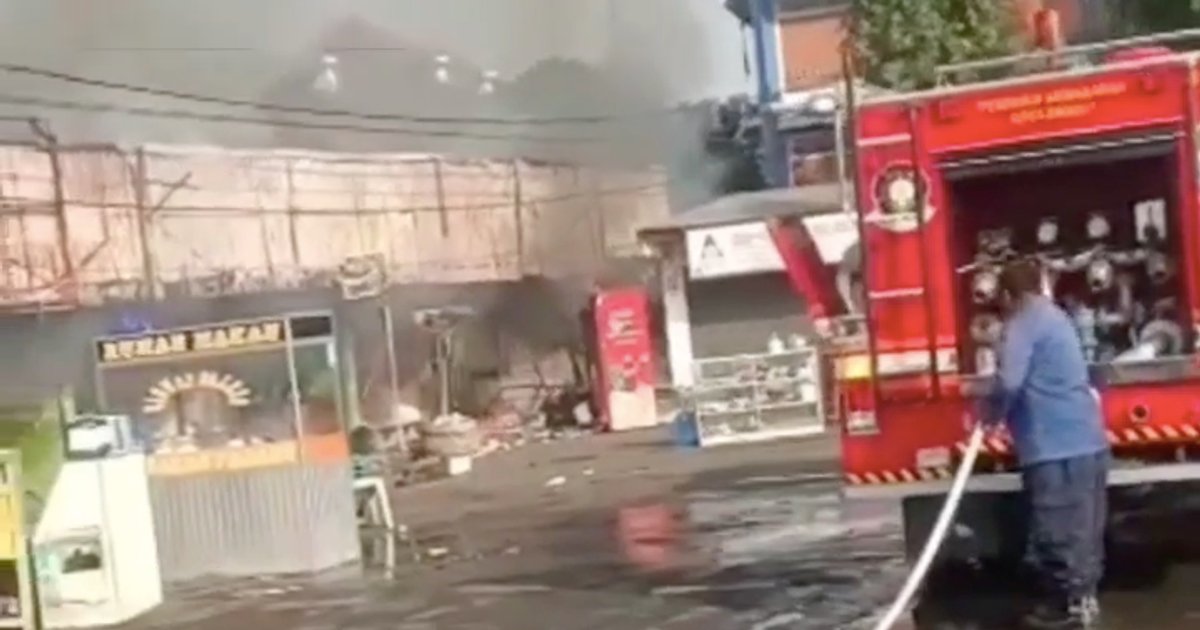
Authorities in Bekasi, Indonesia, announced a horrific fire incident at a gas filling station (SPBE) in the Jalan Siniasug area, which resulted in the death of 17 people and left several others with serious injuries. The incident occurred on Thursday, causing panic among local residents.
According to statements from Bekasi Police Chief Commissaris Besar Kusumo Wahyu Pintoro, most of the victims were residents of the neighborhoods surrounding the station, while two of the victims worked at the station itself. The injured were taken to the hospital, with some suffering burns covering more than 50% of their body.
Details of the Incident
The fire that broke out at the gas filling station raised significant concern within the local community, as many nearby homes and businesses were destroyed. The police chief indicated that investigations are underway to determine the cause of the fire, with a specialized team from the forensic laboratory called in to assist with the investigation.
The police chief also confirmed that the fire might have been caused by a gas leak, leading to a widespread explosion. Winds contributed to the rapid spread of the flames, increasing the extent of the damage.
Background & Context
Fires at gas filling stations are considered dangerous incidents that can lead to significant human and material losses. In recent years, Indonesia has witnessed several similar incidents, raising questions about safety standards at such facilities. This incident serves as a reminder of the importance of taking necessary measures to protect residents and property.
Historically, Indonesia has faced safety issues in industrial facilities, with numerous fatal incidents recorded. Therefore, this incident highlights the urgent need to improve safety standards and enforce them rigorously.
Impact & Consequences
The repercussions of this fire extend beyond human dimensions, as it is expected to impact the local community economically and socially. Many families have lost their homes and sources of income, which could exacerbate the economic conditions in the area.
Ongoing investigations may lead to penalties for those responsible for safety at the facilities, potentially changing how such stations are managed in the future. It is crucial to learn from these incidents to prevent their recurrence.
Regional Significance
Although the incident occurred in Indonesia, it underscores the importance of safety standards in industrial facilities worldwide, including in Arab countries. Similar incidents could happen anywhere, necessitating a heightened awareness of public safety.
Moreover, industrial accidents can affect trade relations between countries, as they may lead to a review of security procedures in facilities dealing with hazardous materials. Thus, Arab countries need to enhance safety standards across all industrial sectors.