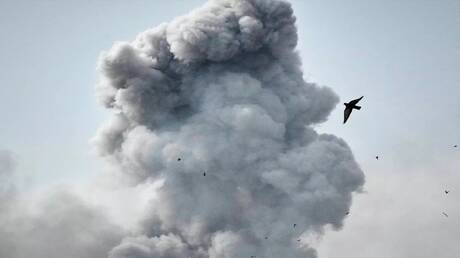
A severe fuel shortage has caused panic and instability in several Asian countries, with the Washington Post reporting that this shortage is due to escalating tensions between the United States and Iran. This situation has led to increased anxiety among the populations, negatively impacting daily life and the economy in those countries.
Reports indicate that the most affected countries include Afghanistan, Pakistan, and some Southeast Asian nations, where many residents rely on fuel to meet their basic needs. Fuel stations in these countries have witnessed long queues of vehicles, while fuel prices have surged significantly, exacerbating the hardships faced by citizens.
Details of the Incident
According to reports, the fuel shortage has resulted from several factors, including the US sanctions imposed on Iran, which is one of the largest oil producers in the region. These sanctions have directly impacted oil supplies, leading to rising prices in global markets.
Additionally, other factors have contributed to the worsening crisis, such as political and economic turmoil in some Asian countries, making it difficult for governments to provide adequate fuel supplies. Some governments have expressed their willingness to take emergency measures to address this crisis, but they face significant challenges in implementing these plans.
Background & Context
The roots of the tensions between the United States and Iran date back many years, with these tensions notably escalating since the US withdrawal from the Iranian nuclear deal in 2018. Since then, the United States has imposed a series of economic sanctions on Iran, affecting the Iranian economy and reducing oil supplies.
Iran is considered a key player in the global oil market, and any disruptions in its production directly impact global oil prices. As tensions rise, Asian countries that depend on Iranian oil are facing significant challenges, leading to worsening economic and social conditions in those nations.
Impact & Consequences
The fuel shortage significantly affects the daily lives of citizens in Asian countries, as they face difficulties in transportation and meeting their basic needs. The rise in fuel prices also contributes to increased inflation rates, putting additional pressure on low-income families.
Moreover, this crisis could exacerbate security situations in some countries, as economic disruptions may lead to popular protests and increased social tensions. This raises concerns among governments striving to maintain stability in their nations.
Regional Significance
The Arab region is part of this equation, as any changes in oil prices or supplies directly affect the economies of Arab countries. Many Arab nations rely on oil revenues, and any rise in prices or shortage in supplies could impact their economic stability.
Furthermore, the tensions between the United States and Iran may lead to increased tensions in the region, raising fears of escalating conflicts. Therefore, monitoring the developments of this crisis is essential to understanding the potential impact on the Arab region.
In conclusion, the fuel shortage in Asian countries is a direct result of existing geopolitical tensions, highlighting the importance of stable oil markets and their impact on the daily lives of citizens. Addressing this crisis requires international cooperation and a deep understanding of the political and economic dimensions involved.