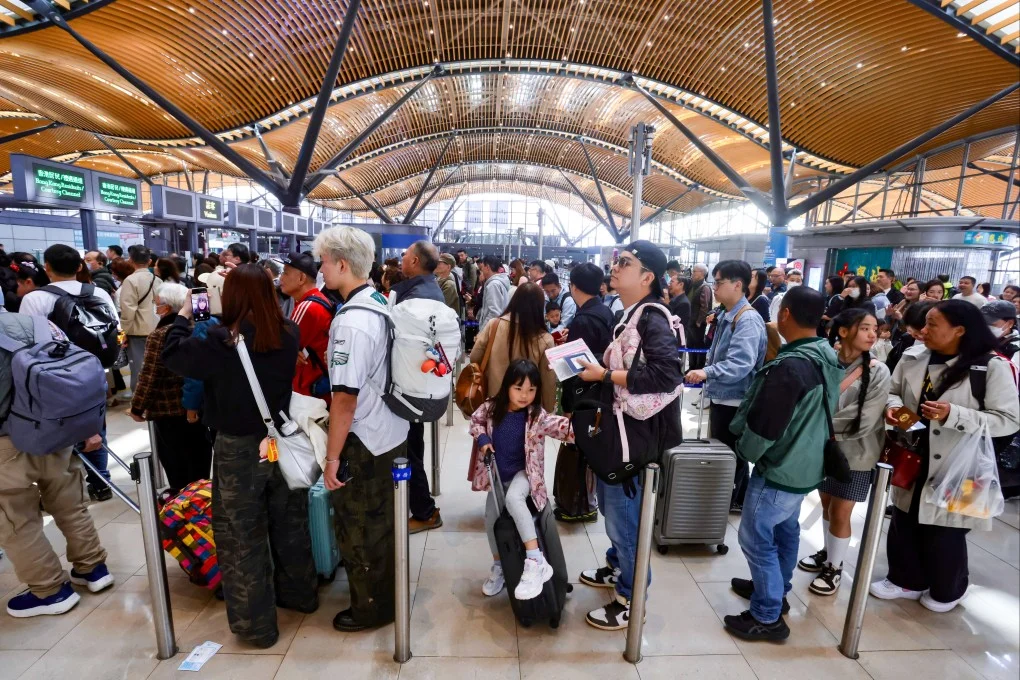
The Hong Kong-Zhuhai-Macau Bridge experienced unprecedented traffic congestion during the Easter and Qingming holidays, with waiting times at checkpoints exceeding one hour. This congestion coincided with a significant influx of passengers, totaling over 192,000 individuals in the first two days of the holiday, while the number of vehicles surpassed 30,000.
These figures are among the highest recorded in recent years, prompting officials to question whether the current arrangements can cope with this rising demand. Ringo Lee Yiu-Poi, the honorary president of the bridge, noted that these numbers reflect the bridge's importance as a vital link between Hong Kong, Macau, and Zhuhai.
Details of the Event
The traffic congestion on the bridge was not unexpected, as it is one of the most heavily used crossings during holidays. As the Easter and Qingming holidays approached, the number of travelers surged significantly, placing immense pressure on the checkpoints. Reports indicated that some passengers spent over an hour waiting, raising questions about the efficiency of the inspection system.
This increase in traffic comes at a sensitive time, as many individuals seek to spend their holidays in various regions across China. However, this pressure on the bridge may lead to unexpected delays, causing frustration among travelers.
Background & Context
The Hong Kong-Zhuhai-Macau Bridge is a monumental project designed to enhance connectivity between Hong Kong, Macau, and Zhuhai. Opened in 2018, it symbolizes regional cooperation and economic development. Nevertheless, the rising number of visitors and tourists during holidays has significantly impacted the bridge's capacity to manage this pressure.
Historically, the bridge has seen many busy periods, but the current numbers indicate a notable increase in demand for travel across it. This situation necessitates authorities to reassess their strategies to ensure smooth traffic flow and provide a comfortable travel experience for passengers.
Impact & Consequences
The effects of this congestion extend beyond passengers; they also impact the local economy. An increase in visitors translates to higher spending on tourism and services, but at the same time, congestion may detract from the overall travel experience. If this issue persists, it could negatively affect the bridge's reputation as a preferred travel destination.
Moreover, this congestion may raise safety and security concerns, as the pressure on checkpoints could lead to greater risks in the event of an emergency. Therefore, it is crucial for authorities to enhance current arrangements to avoid any future problems.
Regional Significance
Although this event pertains to a bridge in Asia, it has broader implications for regional cooperation. The congestion highlights the importance of improving transportation infrastructure worldwide, including in Arab countries. As travel and tourism continue to rise, Arab nations should learn from global experiences to enhance their services.
Ultimately, this event underscores the necessity for careful planning and collaboration among countries to ensure the provision of infrastructure capable of meeting travelers' needs, thereby contributing to the enhancement of tourism and economic development.