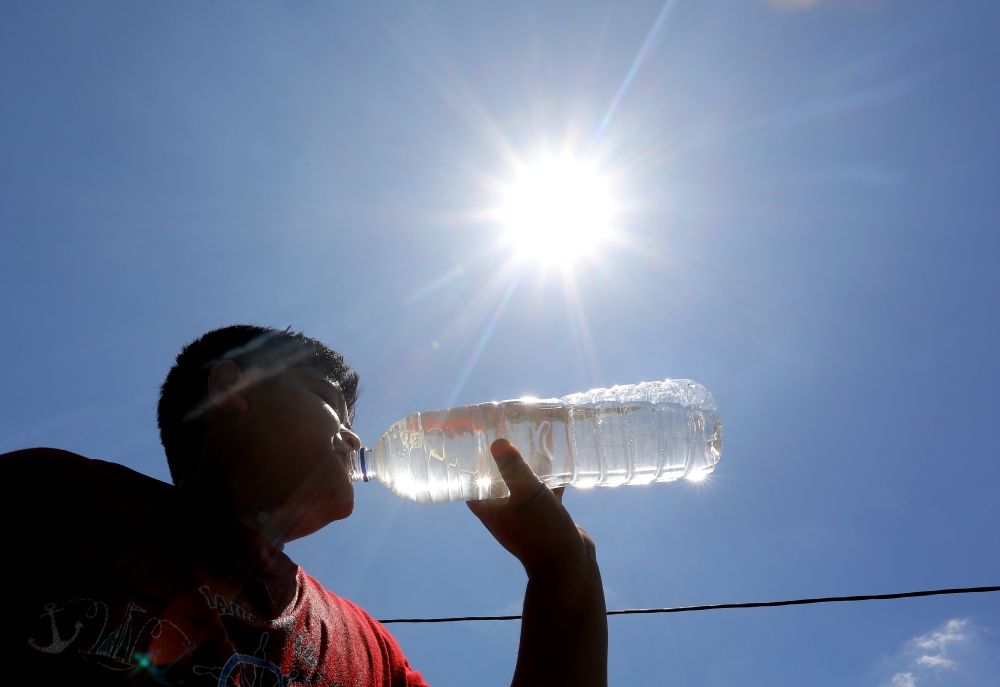
Educational authorities in Kota Setar and Pendang, Malaysia, have announced the transition of 206 schools to a remote learning system (PdPR) for three days, starting from Sunday, March 29, until Tuesday, March 31. This decision comes in light of the severe heatwave impacting the region, necessitating measures to protect the health of students and teachers.
This step is part of the government's efforts to safeguard students from health risks associated with rising temperatures, as forecasts indicate that the heatwave may persist for an extended period. The decision was made following an assessment of the current climatic situation, which requires the provision of a safe educational environment.
Details of the Remote Learning Initiative
The remote learning plan includes the use of digital platforms to facilitate the learning process for students in Kota Setar and Pendang. Schools have been equipped with the necessary resources to ensure the continuity of education, including the provision of online lessons and digital educational content.
This decision follows a noticeable rise in temperatures in the region, which have at times exceeded 40 degrees Celsius. The meteorological agency has issued warnings about the continuation of this heatwave for a longer duration, raising concerns about the safety of students in schools.
Background & Context
Historically, many countries around the world have experienced severe heatwaves, leading to similar measures being taken in the fields of education and health. In recent years, the phenomenon of rising temperatures has become more common, prompting rapid responses from governments to ensure the safety of citizens.
In Malaysia, heatwaves are part of the climate changes affecting the country, where periods of drought and extreme heat are increasing. These changes have led to heightened awareness of the importance of taking preventive measures to protect public health.
Impact & Consequences
This move is expected to impact the educational process in Kota Setar and Pendang, as students may face new challenges in adapting to the remote learning system. However, this decision reflects the government's commitment to protecting student health and ensuring the continuity of education.
The shift to remote learning may also open the door for broader discussions about the effectiveness of this system under exceptional circumstances, potentially leading to future improvements in the country's education system.
Regional Significance
Many Arab countries are also experiencing severe heatwaves, necessitating similar measures to protect students. The experience of Kota Setar and Pendang could serve as a model for Arab countries facing similar challenges, contributing to the development of effective strategies to address climate changes.
In conclusion, the decision to transition schools to remote learning in Kota Setar and Pendang reflects a swift and effective response to the heatwave, highlighting the importance of taking preventive measures to protect student health and ensure the continuity of education in challenging climatic conditions.