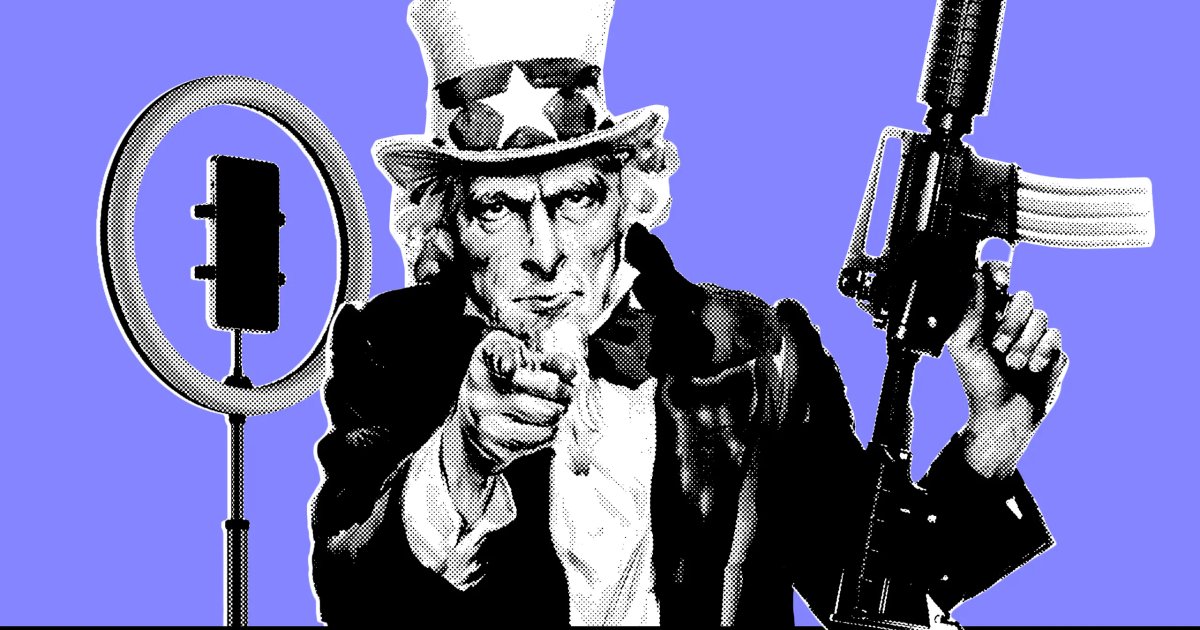
The militia movement in the United States is experiencing a radical shift, with a newfound emphasis on luxury weapons and stylish men's clothing, moving away from traditional protests. In this context, Eric Rocher, a veteran of the U.S. Air Force, posted a video on YouTube discussing "real concerns about sleeper cells and terrorist threats" in the United States.
The video, titled "Reliable Internal Threat? FBI Warns of Attack - Training/Considerations for the Prepared Citizen," was produced by Rocher's company in Florida, which provides military training and sells tactical gear. In the video, Rocher advises viewers to carry "extra magazines" and "a weapon in the car," while ultimately showcasing a tactical vest for sale from one of the video’s sponsors.
Event Details
The video, which is part of a YouTube monetization program, has garnered over 110,000 views and contains eight advertisements. Although "Barrel and Hatchet" is not a militia, Rocher represents a broader reshaping of the militia movement in the U.S., which is now focusing on promoting expensive weapons and a lifestyle that aligns with internet culture.
Carefully edited videos by influencers like Rocher are spreading across platforms like Instagram, where they aim to promote their ideology as well as links to their online stores. In turn, militias are posting their own videos, creating interaction between these groups and military communities that seek to emulate them.
Background & Context
The militia movement has changed significantly in recent years, especially following the dismantling of groups like the "Oath Keepers" and "Proud Boys" after investigations related to the January 6 events. New groups such as the "River Valley Minutemen" and "Mountain State Contingency Group" are marketing themselves as emergency response organizations aimed at helping communities and preparing citizens for potential challenges.
These groups exploit global events such as the war with Iran and ICE raids on immigrant communities to spread fear, which helps them attract new members. Travis McAdam, a senior analyst at the Southern Poverty Law Center, states that these groups are attempting to rebrand themselves as aid organizations, reflecting a shift in their strategies following the January 6 events.
Impact & Consequences
These new groups demonstrate how extremist movements can adapt to changing circumstances, focusing on using social media as a primary tool for recruitment and influence. These platforms allow them to reach a broader audience, enhancing their ability to impact local communities.
Although these groups claim to focus on preparedness and civic duty, the training they offer still relies on traditional military methods rather than genuine emergency skills. McAdam points out that these groups are not moving towards developing practical skills like disaster management but continue to train in quasi-military tactics.
Regional Significance
These transformations in the American militia movement are particularly significant in the Arab context, as they may influence how extremist groups in the region are understood. The use of social media as a recruitment tool could provide lessons for groups in the Middle East on how to enhance their influence.
In conclusion, this development in the American militia movement represents a shift in how these groups organize and recruit, opening the door to further challenges in the future.