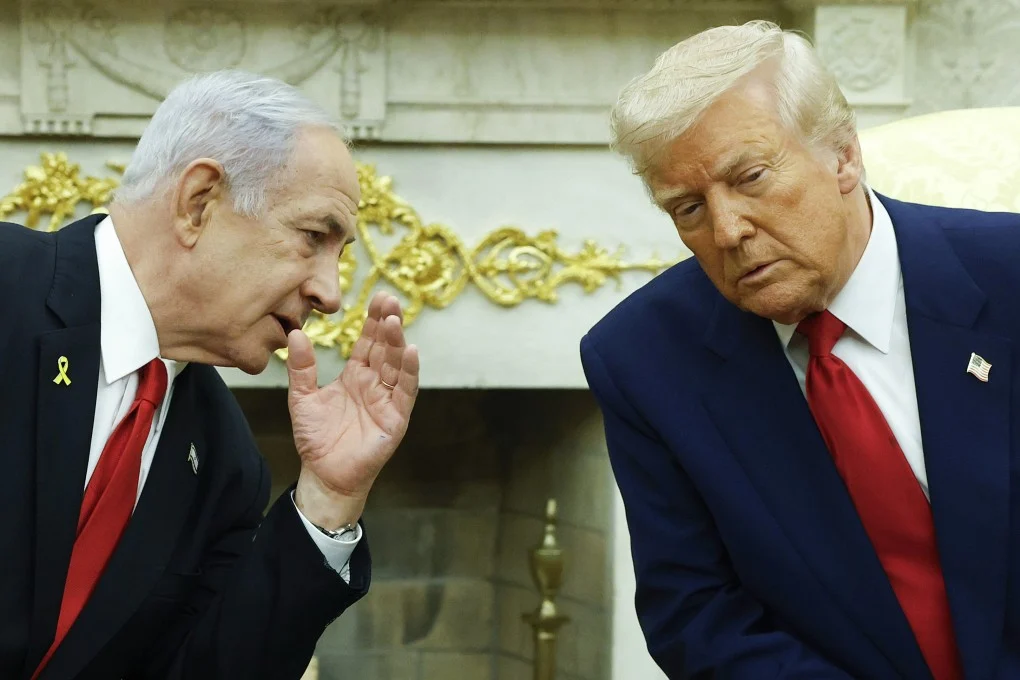
Chinese analyses indicate that changing U.S. objectives in the Iranian war may open the door for President Donald Trump to justify ending the conflict sooner than anticipated. This analysis comes at a time when international doubts are rising regarding the duration of the war in the Middle East, especially given its impact on global oil markets.
The new objectives for Washington include focusing on achieving tangible results in the conflict, which could bolster Trump's position domestically and provide him with an opportunity to present himself as a leader capable of resolving disputes. However, observers caution that the significant gap in visions between the United States and Israel regarding how to end the conflict may impede any swift action from the White House.
Details of the Current Situation
Pressure is mounting on the U.S. administration as the conflict in Iran continues, with Trump seeking to achieve accomplishments before the upcoming presidential elections. Analysts have pointed out that changing objectives may involve focusing on reducing military tensions and offering diplomatic concessions, which could contribute to ending the war more quickly.
Nevertheless, the complex relationship between the United States and Israel plays a crucial role in determining the course of the conflict. Israel views Iran as an existential threat, making it reluctant to take any steps that could be seen as a retreat from its firm stance against Tehran. This divergence in objectives may create new challenges for the U.S. administration.
Background & Context
Historically, the Iranian war began as part of a broader conflict in the Middle East, where Iran seeks to enhance its influence in the region. U.S. military interventions have complicated the situation, exacerbating humanitarian and political crises. The war has also significantly impacted global oil markets, making it a matter of utmost importance on the international stage.
In recent years, the region has witnessed a rise in tensions among major powers, leading to exacerbated conflicts. As the war continues, it has become clear that there is an urgent need to find diplomatic solutions that contribute to stability in the region.
Impact & Consequences
If the United States can change its objectives and make progress in ending the conflict, it could lead to improved relations with some Arab countries that are concerned about Iranian influence. Additionally, ending the war could stabilize oil markets, benefiting the global economy.
Conversely, any rapid moves may exacerbate tensions with Israel, which could perceive such actions as a threat to its security. Thus, the U.S. administration faces a dual challenge of achieving military objectives without jeopardizing strategic relations with its allies.
Regional Significance
Arab countries neighboring Iran are among the most affected by the conflict, suffering from the repercussions on security and stability. Any progress in ending the conflict could open the door to new opportunities for regional cooperation and enhance the ability of Arab states to face common challenges.
Ultimately, the question remains whether the U.S. administration can achieve its new objectives without harming relations with its allies. Changes in U.S. policy towards Iran could significantly impact the future of the region, necessitating careful monitoring by all concerned parties.