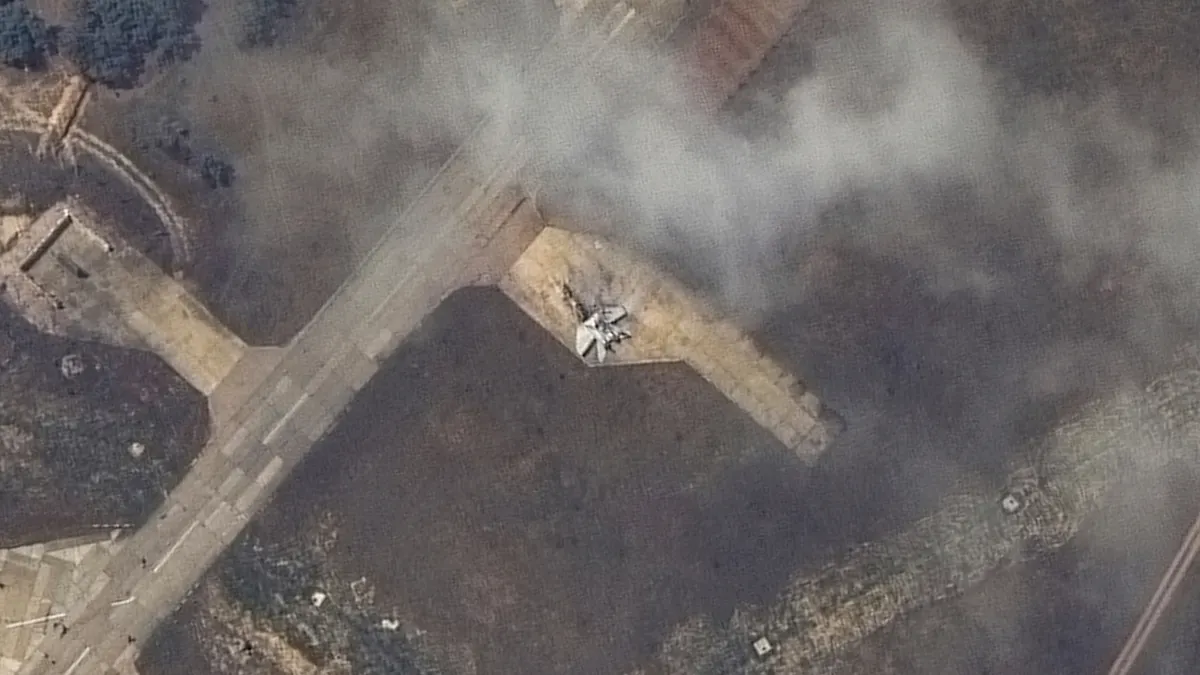
Kuwait International Airport has sustained significant damage to its radar system as a result of drone attacks. These attacks have greatly impacted air operations, raising concerns about flight safety in the region. The incidents occurred at a sensitive time, as security tensions in the Gulf region are on the rise.
This incident follows a series of similar attacks targeting vital facilities in the area, highlighting the increasing threat posed by drones. Reports indicate that the damage to the radar system could affect the airport's ability to manage air traffic effectively, potentially leading to delays and cancellations of flights.
Details of the Incident
The drone attacks on Kuwait International Airport occurred during a period of heightened tensions in the region, with conflicts between regional powers escalating. Images circulated on social media showed the damage inflicted on the radar system, raising concerns about the airport's ability to handle air traffic safely.
Airport officials are working to assess the damage and repair the affected system, but no specific timeline has been announced for the full restoration of operations. In the meantime, security measures at the airport have been enhanced to counter any future threats.
Background & Context
Historically, the Gulf region has witnessed numerous drone attacks, often linked to regional conflicts. In recent years, these attacks have increased significantly, prompting countries to bolster their defensive systems. Kuwait, considered one of the more stable countries in the region, has not been immune to these threats.
Drones are seen as an effective tool in modern conflicts, allowing for the targeting of vital facilities without the need for ground troops. This type of attack reflects a shift in warfare tactics, making it difficult for nations to protect their territories.
Impact & Consequences
The attacks on Kuwait International Airport could lead to widespread repercussions for air traffic in the region. If these attacks continue, Kuwait's reputation as a regional air transport hub may be adversely affected, potentially leading to a decline in visitors and tourists. Furthermore, these attacks could increase tensions between countries in the region, negatively impacting regional stability.
Moreover, the damage to the radar system may require significant investments in upgrading defensive systems, which could affect national budgets. Under these circumstances, governments must take urgent steps to enhance security and protect vital infrastructure.
Regional Significance
The drone attacks on Kuwait International Airport are part of a broader pattern of security tensions in the Gulf region. These events raise concerns among Arab nations, as fears grow that these attacks may signal the beginning of a new phase of conflict. While Arab countries strive to enhance security cooperation, these attacks could hinder peace and stability efforts.
In conclusion, the damage inflicted on Kuwait International Airport due to drone attacks reflects the increasing security challenges faced by the region. Arab nations must work together to address these threats and ensure the safety of their citizens and interests.