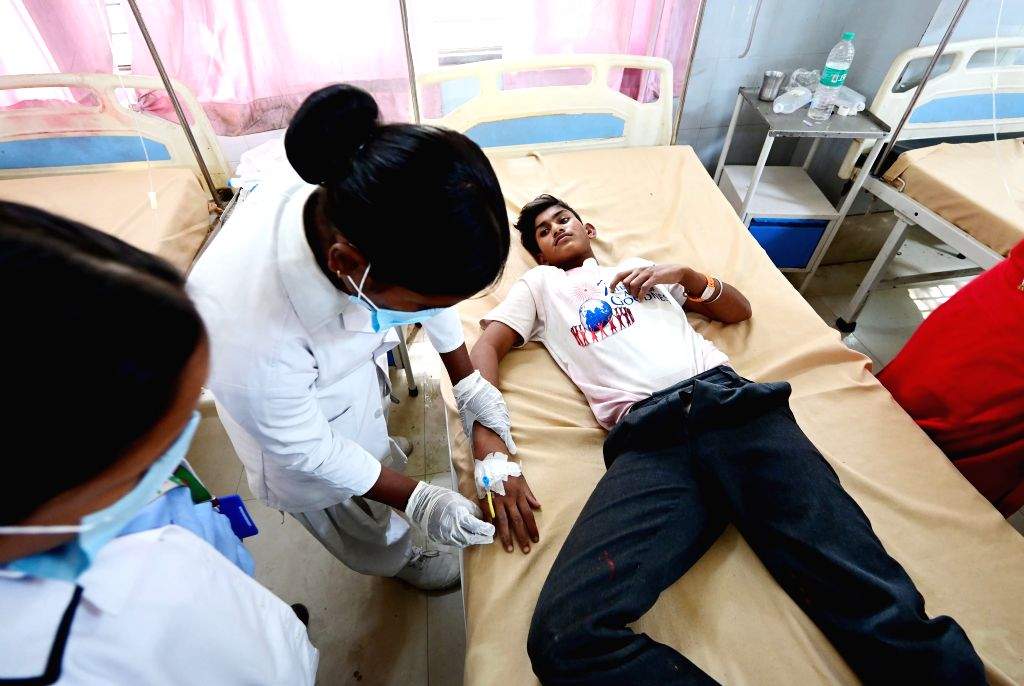
Health authorities in Jakarta, led by the head of the health department, Ani Ruspiwati, announced a significant improvement in the condition of students and teachers who suffered from food poisoning due to the Free Nutritious Meals (MBG) program in the Pondok Kelapa area of East Jakarta. The number of cases requiring medical attention has dropped to 37 from 104.
Ani explained that among the remaining cases, seven individuals are receiving treatment at Durin Sawit Hospital, six at Islam Pondok Kofi Hospital, and 19 at Harum Hospital. Additional cases have been admitted to various hospitals, reflecting the efforts made to provide necessary care.
Details of the Incident
In her statements, Ani confirmed that all patients are in stable condition and are expected to be discharged within two days. She noted that patients' responses to treatment vary based on several factors, such as age and resilience.
She also added that the regional government is collaborating with the National Nutrition Agency (BGN) to ensure full support for the victims, indicating that the agency will cover treatment costs for those not included in health insurance services.
Background & Context
This incident comes at a sensitive time as the Indonesian government seeks to improve school nutrition programs. The Free Nutritious Meals program was launched as part of the government's efforts to enhance student health, but the recent incident has raised questions about food safety standards.
Historically, Indonesia has witnessed several similar food poisoning cases, highlighting the urgent need to strengthen oversight on the quality of food provided in schools. This incident has raised widespread concern among parents and the local community.
Impact & Consequences
This incident carries significant implications for public trust in government nutrition programs. While the government aims to improve student health, incidents like this may lead to a decline in confidence in the authorities' ability to ensure food safety.
Moreover, this incident may prompt the government to reevaluate food safety standards and implement stricter measures to prevent such occurrences in the future. A comprehensive investigation is expected to determine the causes of the poisoning and ensure accountability.
Regional Significance
Food safety issues are vital concerns that affect all countries, including Arab nations. With the increasing reliance on food programs in schools, there must be strict standards to ensure student safety.
Arab countries can benefit from Indonesia's experience in handling such incidents by enhancing oversight on food quality and applying stringent standards to ensure nutritional safety in schools.
The recent incident in Jakarta underscores the importance of strengthening food safety standards in government programs and emphasizes the need for collaboration between government entities and the community to ensure the health and safety of students.