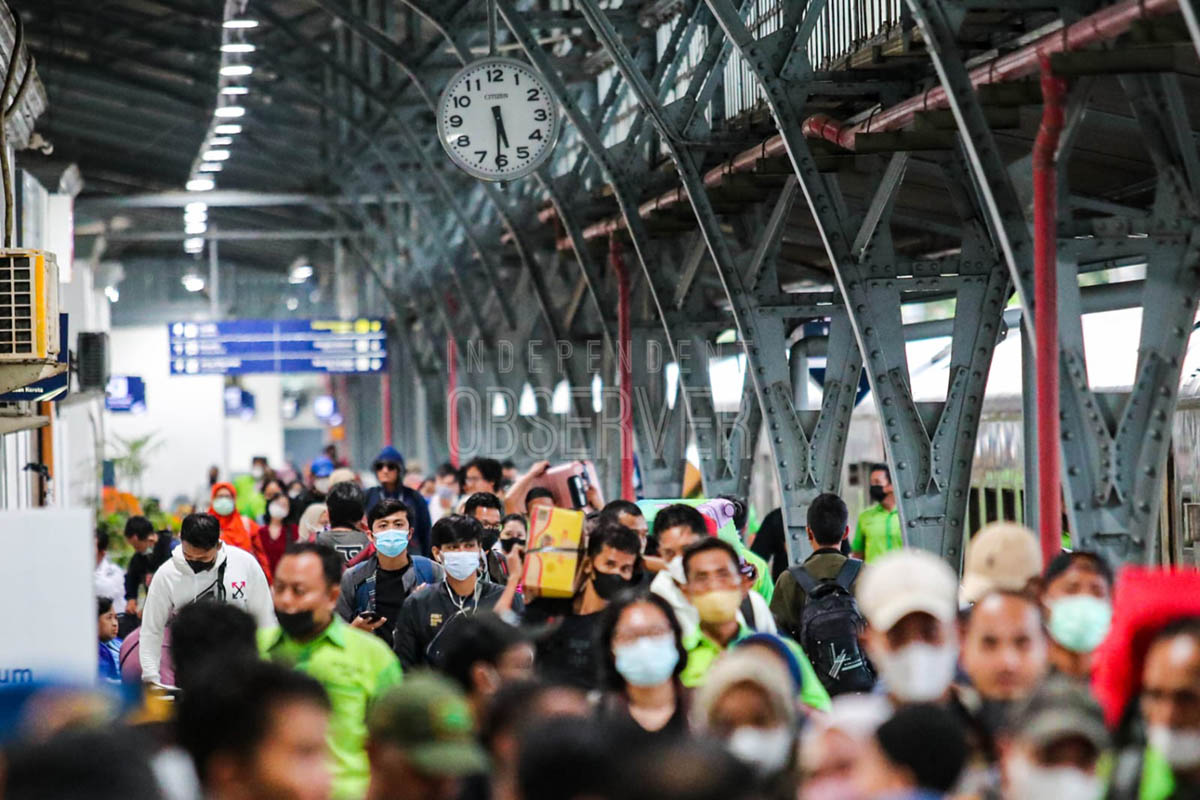
Indonesia's train services experienced a remarkable surge, with over 10,000 passengers using the trains during the weekend. This increase reflects a growing demand for public transportation in the country, especially as long weekends approach.
Trains are a preferred mode of transport for many Indonesians, providing a comfortable and fast way to travel between cities. Statistics show that this rise in passenger numbers indicates an increasing confidence in public transport services, alongside improvements made to the railway network.
Event Details
According to reports from the Indonesian news agency Antara, the number of passengers utilizing train services in the operational area of PT. Kereta Api has seen a significant increase, indicating a recovery in the transportation sector following a period of decline due to the COVID-19 pandemic. Services have been enhanced to meet the rising demand, with an increase in the number of trips and an expansion of the services offered.
This rise in passenger numbers is a positive indicator of economic activity resuming in Indonesia, as citizens seek to return to normalcy after a period of restrictions. Reports have shown that trains have garnered considerable interest from travelers, reflecting their desire to use public transport instead of private vehicles.
Background & Context
Historically, Indonesia has heavily relied on public transportation, but in recent years, there has been a shift towards the use of private cars. However, the Indonesian government has taken steps to enhance public transport services, including railways, as part of its strategy to reduce traffic congestion and improve air quality.
Railways are a crucial part of Indonesia's transport infrastructure, connecting major cities with remote areas. Significant investments have been made to develop this network, contributing to improved services and an increase in passenger numbers.
Impact & Consequences
The increase in passenger numbers is indicative of the success of government policies aimed at promoting public transport, which could lead to reduced traffic congestion and improved quality of life in urban areas. Additionally, this recovery in the transportation sector may contribute to boosting the local economy through increased trade and tourism activity.
These trends are expected to continue in the future, as citizens seek more sustainable transport options. The government may also continue to invest in developing the railway network to meet the growing demand.
Regional Significance
Although this event is occurring in Indonesia, it could have positive implications for the Arab region, where Arab countries could benefit from Indonesia's experience in enhancing public transport. There may be opportunities for collaboration in developing transport infrastructure, which would contribute to improving transport services in Arab countries.
In conclusion, this increase in train passengers signals a positive shift in the transportation sector in Indonesia, reflecting citizens' desire to utilize public transport. It is crucial for the government to continue supporting this trend by improving services and expanding the network, which will benefit the economy and society as a whole.