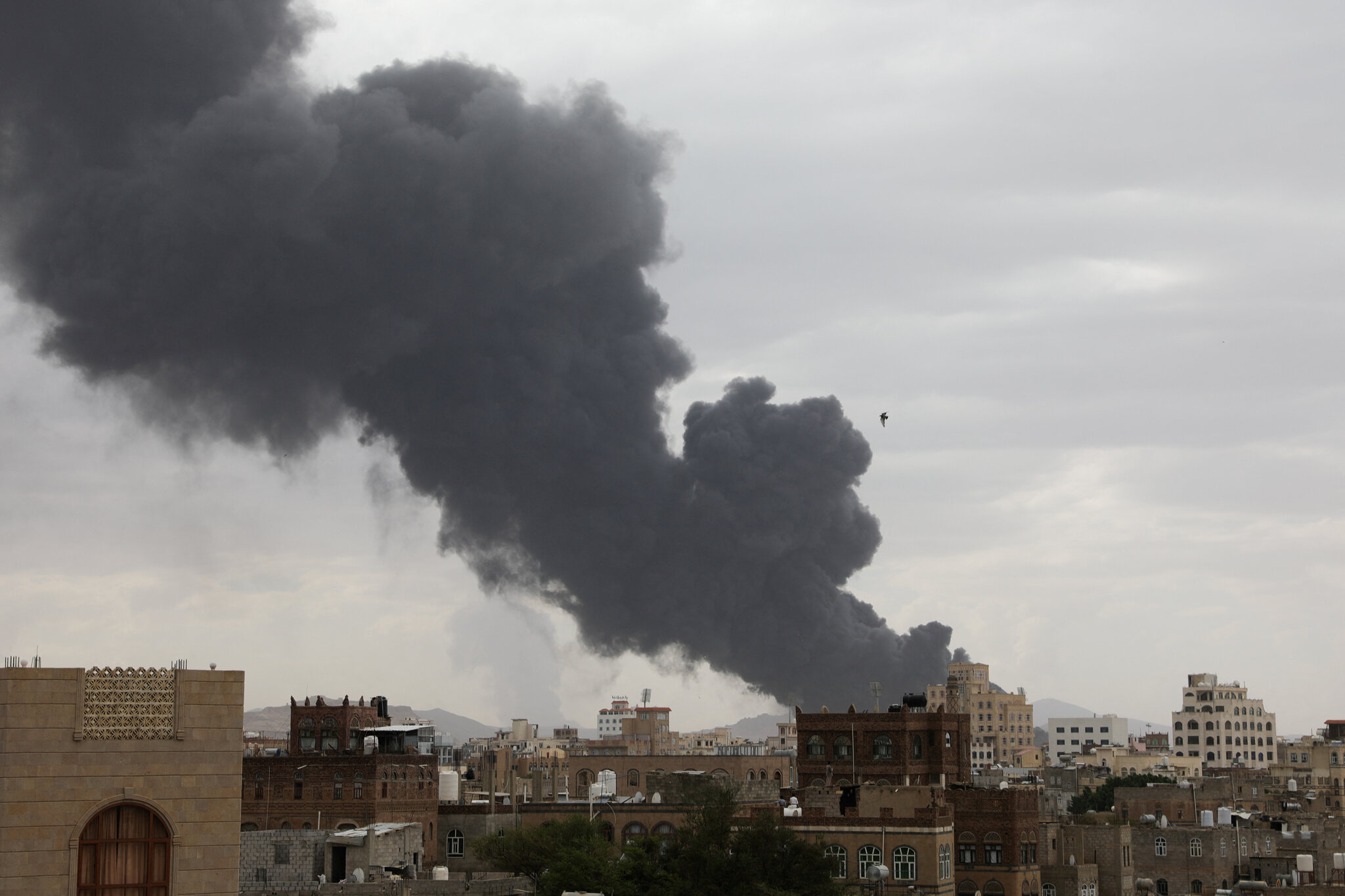
Powerful explosions rocked Tel Aviv and Jerusalem as reports confirmed simultaneous missile attacks from Iran, Lebanon, and Yemen. The attacks resulted in substantial material damage and injuries to three people, prompting Israel to bolster its defensive systems and ramp up production of the Arrow interceptor missiles.
Israeli media outlets, including Channel 12 and Yedioth Ahronoth, reported that emergency crews received notifications about missile debris falling in central Israel, with Iran targeting Tel Aviv for the second time in less than ten minutes. Search operations were conducted in various areas of central and southern Israel following reports of debris.
Details of the Incident
Iranian television announced the launch of a new batch of missiles towards Israeli territory, while the Israeli army radio reported initial notifications of debris falling in several locations. The Israeli home front activated sirens in southern areas after a drone was detected.
Reports indicate that debris from Iranian missiles fell on approximately 30 sites in the greater Tel Aviv area, causing damage to buildings and vehicles, and injuring three individuals, one of whom is in moderate condition. Images circulating show destruction of both public and private property, along with fires in the cities of Bnei Brak and Petah Tikva.
Background & Context
This escalation comes amid the ongoing conflict that began on February 28, where Israel and the United States have been conducting military operations against Iran, which retaliates by launching missiles and drones towards Israel. Additionally, the Lebanese Hezbollah has announced a series of attacks targeting gatherings of Israeli soldiers and settlements in northern Israel.
Israel imposes significant censorship on its actual losses resulting from the attacks, heightening tensions in the region. At the same time, the Israeli Ministry of Defense announced an increase in the production of Arrow interceptor missiles to enhance stockpiles and ensure operational readiness.
Impact & Consequences
The rise in attacks reflects a deterioration of the security situation in the region and increases the likelihood of a broader conflict. Israel, which possesses a multi-layered air defense system, seeks to enhance its defensive capabilities in the face of growing threats.
Israeli Defense Minister Israel Katz confirmed that Israel has a sufficient stockpile of interceptor missiles, and the new measure aims to ensure freedom of movement and maintain operational readiness. The cost of producing Arrow missiles ranges from $2.5 million for the Arrow 2 missile to $2 million for the Arrow 3 missile.
Regional Significance
This military escalation highlights the increasing tensions in the Middle East and affects relations between Arab countries and Israel. The repeated attacks reflect the rising security challenges faced by countries in the region.
In conclusion, the situation in the region remains tense, with ongoing reciprocal attacks between various parties, threatening regional stability and complicating the security landscape.