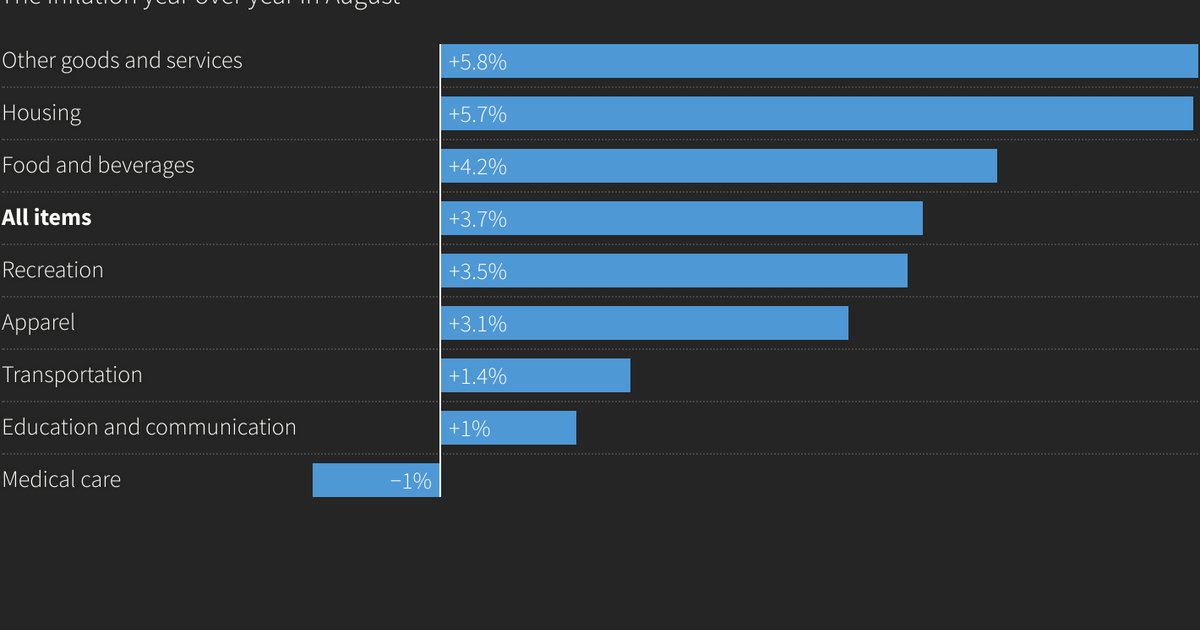
Reports indicate that consumer confidence in the United States has risen slightly, despite pressures from rising fuel prices. According to the Consumer Confidence Index released by the University of Michigan, confidence levels exceeded expectations, reflecting consumers' ability to adapt to challenging economic conditions.
This increase in confidence occurs at a time when the United States is experiencing a noticeable rise in gasoline prices, with prices surpassing record levels in some areas. This situation raises questions about consumers' ability to continue spending under these circumstances.
Details of the Event
Data shows that the Consumer Confidence Index rose to 70.2 points last month, compared to 69.5 points the previous month. This improvement reflects growing optimism among consumers regarding future economic conditions, despite current challenges.
Consumer spending is a major driver of the American economy, accounting for approximately 70% of the Gross Domestic Product (GDP). Therefore, any changes in consumer confidence could significantly impact economic growth.
Background & Context
Historically, the United States has experienced fluctuations in consumer confidence due to economic crises, such as the global financial crisis in 2008. During that period, confidence sharply declined, affecting consumer spending. However, the recovery witnessed in recent years has contributed to bolstering consumer confidence.
Moreover, rising fuel prices are among the key factors affecting American households' budgets. In recent years, oil prices have experienced significant volatility, impacting transportation and essential goods costs.
Impact & Consequences
Current analysis suggests that rising fuel prices may lead to reduced spending in other areas, such as entertainment and tourism. If this trend continues, it could result in a slowdown in economic growth in the near future.
On the other hand, increased consumer confidence may lead to higher spending in other sectors, potentially supporting the economy. Thus, continuous monitoring of confidence and spending indicators is essential for understanding future economic trends.
Regional Significance
Considering the impact of rising fuel prices on the American economy, this may have implications for the Arab region, particularly in oil-exporting countries. Higher oil prices could lead to increased revenues in these nations, enhancing their economic stability.
At the same time, any decline in American spending could affect demand for goods and services from Arab countries, necessitating precautionary measures to address any potential repercussions.
In light of the current economic conditions, it remains crucial to monitor developments in consumer confidence and its impact on both the American and global economies. Challenges persist, but the slight improvement in confidence may indicate consumers' ability to adapt to changing circumstances.