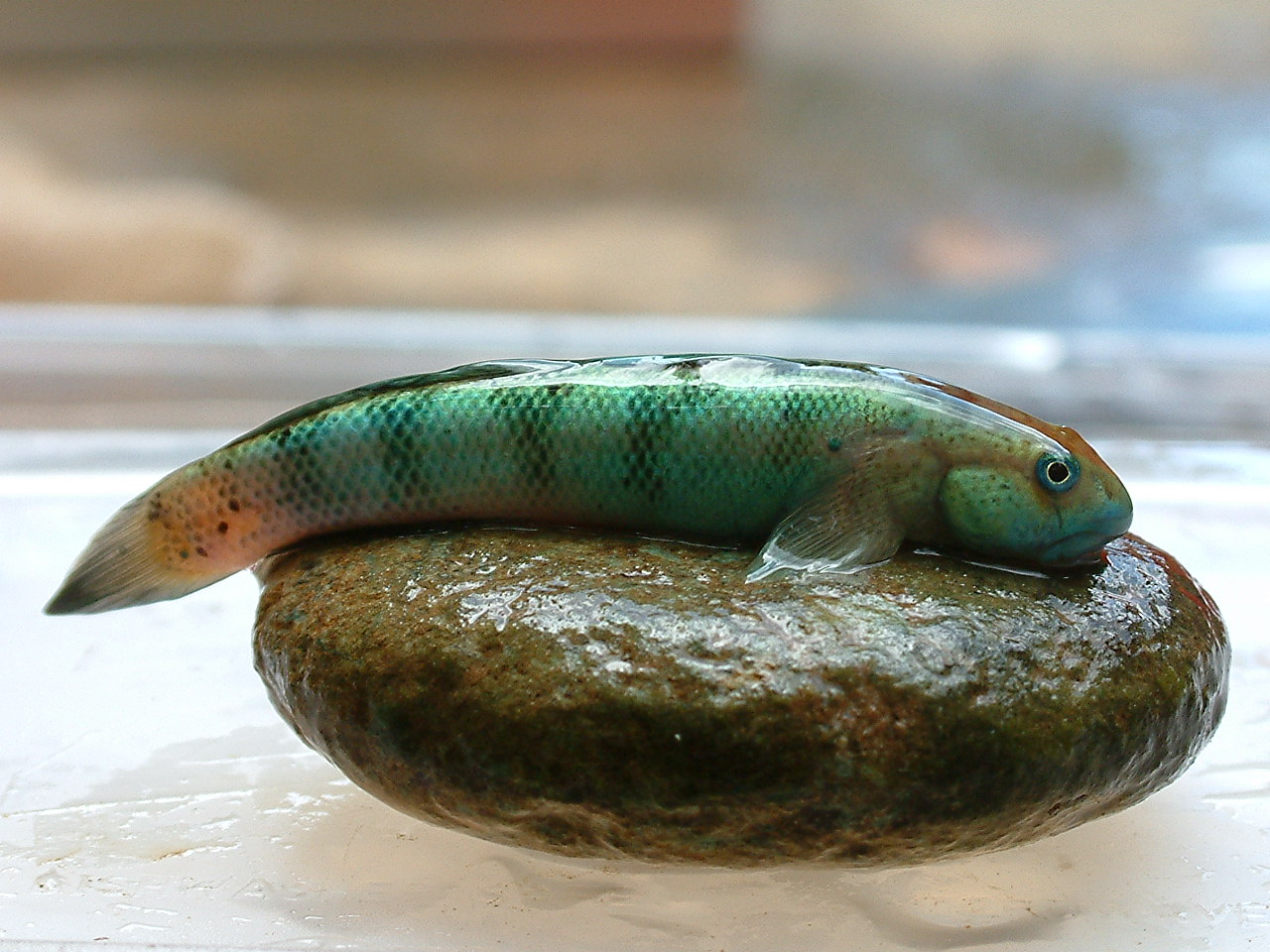
Researchers have identified a species of small fish known as Parakneria thysi that climbs waterfalls reaching a height of 15 meters in the Democratic Republic of Congo. This remarkable behavior showcases the innovative ways animals adapt to harsh environments, with this phenomenon documented during the seasonal floods that typically occur in April and May.
Although this species can grow to about 9.8 centimeters in length, it is the smaller to medium-sized individuals, measuring between 3.7 to 4.8 centimeters, that undertake the arduous journey to the top of the waterfall.
Details of the Climbing Behavior
Observations indicate that the fish may take nearly 10 hours to complete its slow and strenuous ascent to the summit, moving in short bursts and resting frequently. Larger individuals of this species appeared too heavy to support climbing with their fins.
Basik Kiweli, a fish researcher, stated that this discovery underscores the importance of maintaining the continuity of waterways, especially in the context of the Congo Basin, where studies on fish behavior are nearly non-existent. He noted that it is astonishing that some fish are capable of climbing waterfalls, illustrating that there are wonders beyond our imagination.
Background & Context
The Congo River Basin is known for its rich biodiversity and unique ecosystems. However, the lack of research on aquatic life in this region poses challenges for conservation efforts. The climbing behavior of Parakneria thysi adds a new dimension to our understanding of fish adaptability and survival strategies in extreme conditions.
During the seasonal floods, the water levels rise significantly, creating a dynamic environment that can be both a challenge and an opportunity for aquatic species. The ability of these fish to navigate such conditions is a testament to their evolutionary adaptations.
Impact & Consequences
This discovery has significant implications for biodiversity conservation in the Democratic Republic of Congo. Understanding the behaviors and adaptations of species like Parakneria thysi can inform conservation strategies aimed at protecting aquatic habitats and ensuring the survival of various species.
Moreover, the climbing behavior may indicate the presence of ecological niches that have yet to be explored, potentially leading to new insights into the biodiversity of the region. As researchers continue to study these fish, they may uncover further adaptations that enhance our understanding of aquatic life.
Regional Significance
The findings regarding Parakneria thysi climbing waterfalls highlight the ecological richness of the Congo Basin. This region is home to numerous species that have developed unique adaptations to thrive in their environments, making it a critical area for biological research.
Furthermore, the study of such behaviors can foster greater awareness of the need for conservation efforts in the Congo, where biodiversity is under threat from human activities such as illegal fishing and water extraction for irrigation.
In conclusion, the climbing behavior of Parakneria thysi not only enriches our understanding of fish adaptability but also emphasizes the importance of preserving the natural habitats that support such extraordinary life forms.