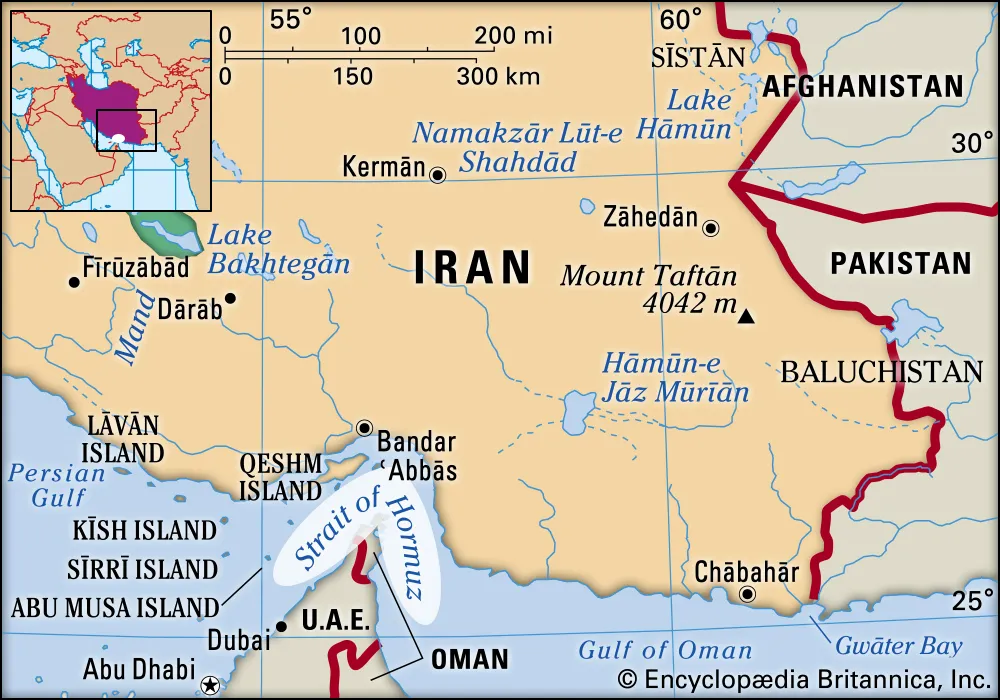
The tense situation in the Strait of Hormuz, one of the world's most vital maritime passages, has resulted in a notable rise in fertilizer prices, with increases reaching up to 40% in global markets. This surge brings prices back to levels witnessed during the Ukrainian war, raising considerable alarm among farmers and economies reliant on agriculture.
Reports indicate that disruptions in shipping through the Strait of Hormuz, which carries approximately 20% of the world's oil, have directly impacted the cost of transporting essential goods, including fertilizers. As geopolitical tensions escalate, it is clear that this crisis will affect food security in many countries, particularly those that depend on imports.
Details of the Event
In recent weeks, the region has seen heightened tensions between Iran and the United States, leading to threats of closing the strait. These threats have caused significant concern among traders and investors, prompting them to raise prices as a precautionary measure. Reports have indicated that fertilizer prices have surged dramatically, affecting agricultural production costs worldwide.
Fertilizers are essential components in agriculture, playing a vital role in increasing productivity. With rising prices, farmers face significant challenges in securing their needs, which may lead to reduced cultivated areas and increased food prices in markets.
Background & Context
The Strait of Hormuz is a crucial artery for the global economy, through which a large portion of oil and gas exports pass. Historically, the strait has witnessed numerous crises and tensions, but the current situation is considered one of the most sensitive times, especially with escalating military conflicts in the region.
The Ukrainian war has had significant impacts on energy and commodity markets, leading to increases in prices for many essential goods. With prices returning to those levels, experts expect continued pressure on global markets, which may exacerbate economic crises in many countries.
Impact & Consequences
The rise in fertilizer prices will not only affect farmers but will also impact consumers worldwide. With increased production costs, food prices are likely to rise, adding pressure on low-income households. Additionally, countries that heavily rely on imports will face further challenges in securing their food needs.
Moreover, this crisis may lead to increased political tensions between producing and consuming countries, as each nation seeks to protect its economic interests. This situation could create an unstable environment in global markets, affecting overall economic growth.
Regional Significance
The Arab region, which heavily relies on agriculture, will be particularly affected by rising fertilizer prices. Many Arab countries import large quantities of fertilizers to meet their agricultural needs, and with rising prices, these nations may face challenges in securing their food supplies.
On the other hand, fertilizer-producing countries in the region may benefit from this crisis, as they could increase their exports. However, the overall rise in prices may lead to increased social and economic tensions in importing countries.
In conclusion, the escalation of the Strait of Hormuz crisis highlights the importance of stability in this vital region and its impact on the global economy. It is essential for countries to take urgent steps to mitigate the effects of this crisis on food security and local economies.