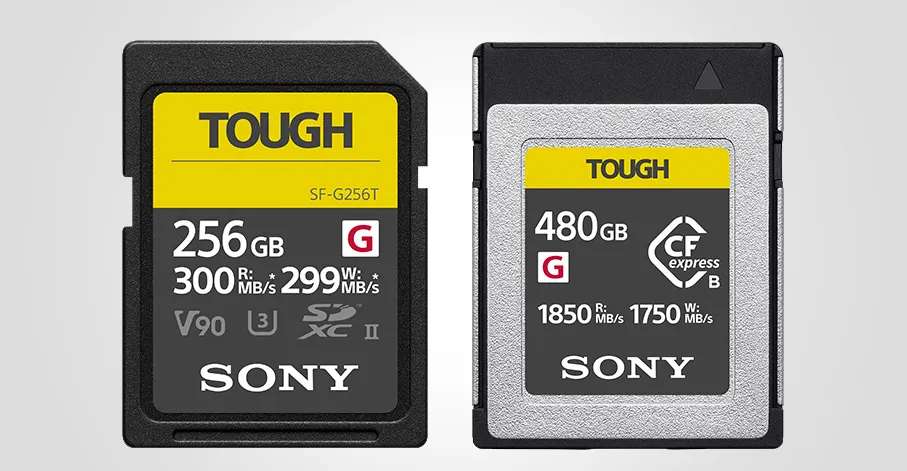
Sony, the Japanese electronics giant, has decided to stop accepting orders for most of its CFexpress and SD memory card products, effective March 27, 2026. This decision includes CFexpress Type A and Type B cards, as well as SDXC and SDHC cards. However, some models of Type B cards and low-end SF-UZ series SD cards will continue to be produced, according to reports from PetaPixel, and can be found in stores until the available stock runs out.
This announcement comes at a sensitive time, as Sony has also recently raised the prices of its PS5 gaming console worldwide, increasing consumer concerns about the company's ability to meet rising demand.
Details of the Announcement
This decision was published on Sony's official website in Japan, where the company confirmed that this action is a result of the ongoing shortage of solid-state memory and other reasons that may include a helium shortage due to the war in Iran, which has also started to affect chip manufacturing companies. Sony explained that the demand for memory cards exceeds the available supply, prompting the company to make this difficult decision.
Sony also confirmed that this halt includes orders from authorized distributors as well as from regular consumers, for an indefinite period in the future. The company indicated that it will monitor the market situation and will announce the possibility of resuming order acceptance at a later date.
Background & Context
Memory cards are essential components in the modern technology landscape, used in various devices such as digital cameras, gaming consoles, and smartphones. As demand for these products has increased, manufacturers have faced significant challenges due to a shortage of raw materials, particularly semiconductors, which are crucial in electronics manufacturing.
Historically, the technology industry has experienced many crises due to supply shortages, but the current situation is considered one of the most complex, as geopolitical factors intertwine with the increasing demand for technology. The war in Ukraine, for example, has also impacted global supply chains, exacerbating the crisis.
Impact & Consequences
This decision could have a significant impact on the memory card market, potentially leading to price increases due to high demand and limited supply. Consumers who rely on these cards for their daily work may face difficulties in obtaining the products they need, which could affect their productivity.
Moreover, this crisis may impact small and medium-sized enterprises that depend on memory cards for their products, potentially leading to a decline in revenue and an increase in costs. Companies may likely seek alternatives or other suppliers, which could result in changes in market dynamics.
Regional Significance
In the Arab region, this shortage of memory cards may have noticeable effects, especially given the increasing reliance on technology across various fields. Many Arab companies operate in photography and media production, which heavily depend on memory cards. Therefore, any supply shortage could affect their ability to provide services effectively.
Additionally, rising prices could lead to a decline in investments in the technology sector, which may impact economic growth in the region. It is crucial for Arab companies to closely monitor the situation and be prepared to adapt to changes in the market.