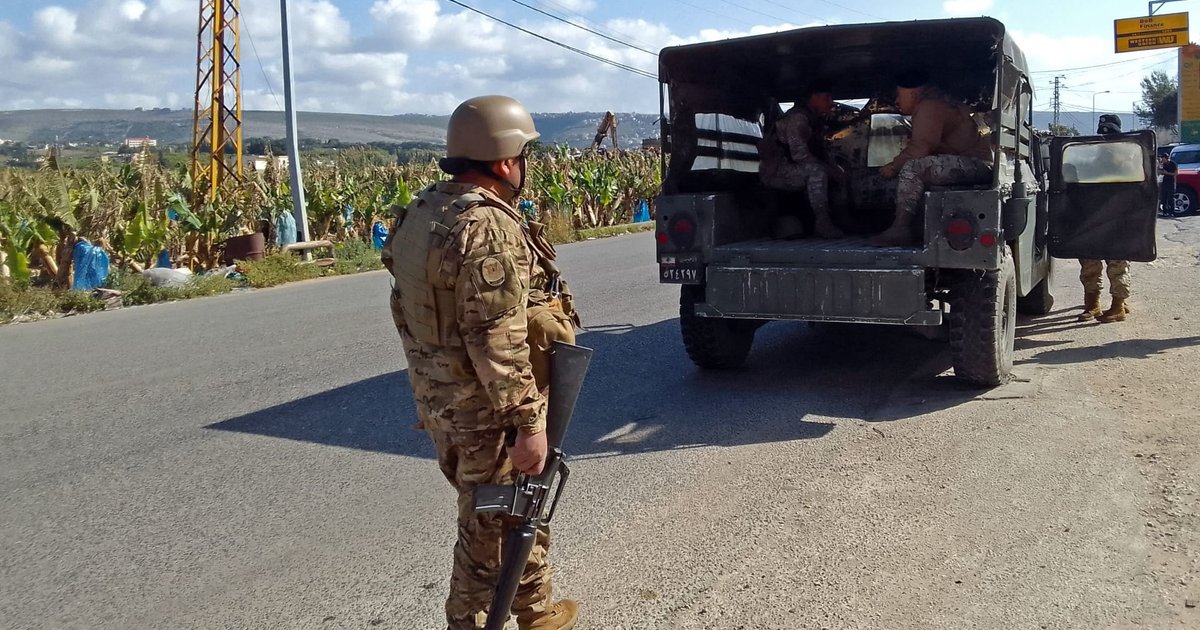
Alarms sounded in Upper Galilee, northern Israel, for the eighth time on Friday, after Israeli forces detected rockets launched from Lebanon. This escalation reflects the deteriorating security situation in the region and heightens tensions between Israel and the Lebanese Hezbollah.
Later reports indicated that the shells launched from Lebanon did not result in any injuries or damage; however, this incident highlights the tense atmosphere prevailing along the Israeli-Lebanese border.
Details of the Incident
The alarms that rang in Upper Galilee alerted residents to a potential threat, leading to panic among citizens. An emergency state was declared in some areas, directing residents to take necessary precautions. This incident comes at a time when warnings of a potential military escalation between the two sides are increasing, particularly following a series of border skirmishes in recent weeks.
These events coincide with statements from both sides, where Israeli officials confirmed that any attack from Lebanon would be met with a harsh response. Conversely, Hezbollah warned that any aggression against Lebanon would lead to a strong reaction.
Background & Context
Historically, the Israeli-Lebanese border has witnessed recurring tensions, especially since the 2006 war that led to widespread destruction in Lebanon. Since then, skirmishes between the Israeli army and Hezbollah, which is considered one of the main armed factions in Lebanon, have continued. These events are part of a broader conflict that includes issues such as the Israeli-Palestinian dispute and regional tensions between Iran and its allies in the area.
In recent years, tensions have escalated due to Israeli military activities in Syria, which are believed to target Hezbollah-affiliated sites. Additionally, the economic and political conditions in Lebanon, which is suffering from multiple crises, could exacerbate the security situation along the border.
Impact & Consequences
These events could lead to greater military escalation, threatening the stability of the region. Any escalation in the conflict may affect civilians in both countries and increase the humanitarian burdens in Lebanon, which is already grappling with a crippling economic crisis.
The escalation may also lead to international interventions, as major powers seek to maintain stability in the region. If the situation continues on this trajectory, we may witness diplomatic interventions from the United States or the United Nations to calm the situation.
Regional Significance
These developments are of significant importance to the Arab region, as they reflect the ongoing conflicts between regional powers. The escalation between Israel and Hezbollah may impact relations between Arab countries and Israel, especially amid normalization attempts being witnessed by some Arab nations.
Any military escalation could revive old disputes and increase divisions within Arab societies. Furthermore, the economic and social impact of these events may extend to neighboring countries, necessitating a response from Arab governments.
In conclusion, the situation along the Israeli-Lebanese border remains tense, with the potential for military escalation that could reshape the region. The international community must closely monitor these developments and work to prevent any escalation that could lead to a new humanitarian disaster.