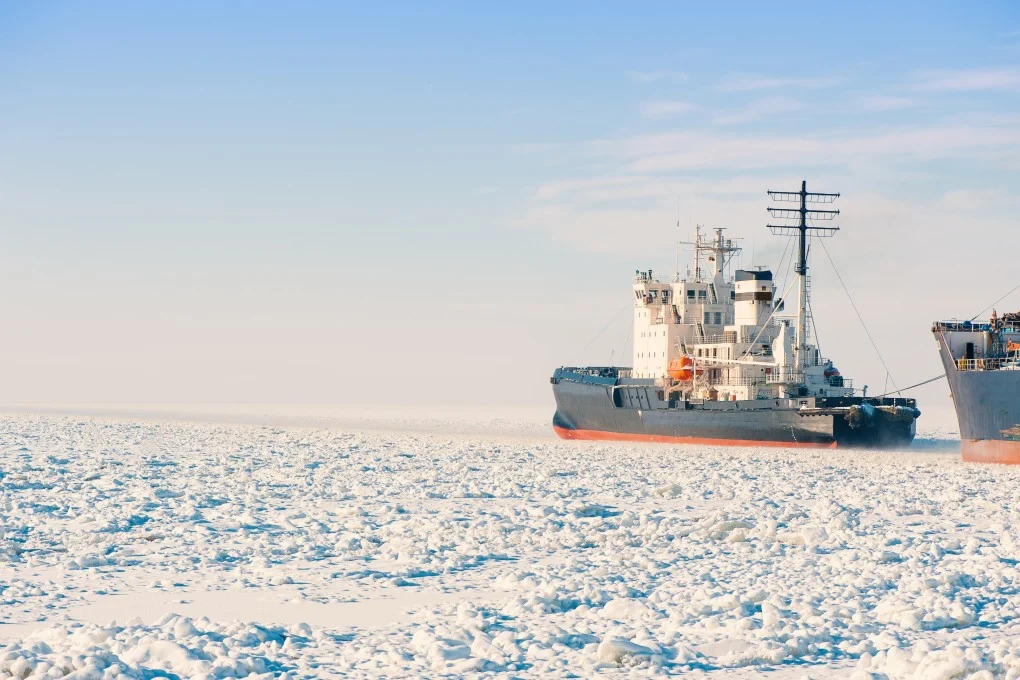
Amid the challenges facing global supply chains, South Korea has begun to take strategic steps to develop shipping routes through the Arctic, reflecting a significant shift in Asian trade policies. This move comes after China announced similar plans, indicating a growing interest among Asian powers in exploiting these new routes.
According to the comprehensive maritime plan announced by the South Korean Ministry of Oceans and Fisheries, the country aims to open a regular trade route through Arctic waters by 2030. An initial trial for this route is scheduled to begin later this year, reflecting Seoul's commitment to developing the necessary infrastructure to support this initiative.
Details of the Initiative
South Korea, considered one of the largest economies in the world, seeks to enhance its competitiveness in maritime shipping by exploiting the new routes offered by the Arctic. This step comes at a time when the region is experiencing climate changes leading to ice melting, thereby opening up faster and cheaper shipping routes.
The South Korean plan includes the development of ports and the infrastructure needed to support shipping traffic through these waters. The government also hopes to attract both foreign and domestic investments to boost this sector, which will help achieve its ambitious economic goals.
Background & Context
Historically, shipping routes through the Arctic were unviable due to dense ice, but recent climate changes have made these routes more accessible. In recent years, there has been a growing interest from Asian countries, including China and South Korea, to exploit these new opportunities.
China, which has already begun developing polar shipping routes, is a leader in this field, aiming to reduce the time and costs associated with traditional shipping routes. However, South Korea hopes to compete by developing its own strategies.
Impact & Consequences
The development of Arctic shipping routes could have significant impacts on the global economy. It is expected to reduce shipping costs and increase transportation efficiency between Asia and Europe. This shift may also alter the dynamics of global trade, as Asian countries become more reliant on these new routes.
Furthermore, this move could lead to increased geopolitical tensions in the region, as major powers seek to secure their interests in these strategic waters. Competition for resources and trade routes could lead to new conflicts in the future.
Regional Significance
For the Arab region, the development of Arctic shipping routes could impact oil and gas trade. Reduced shipping costs may enhance the competitiveness of Arab products in global markets, thereby strengthening their economic standing. Additionally, this shift could open new avenues for economic cooperation between Arab countries and Asian nations.
In conclusion, South Korea's direction towards developing Arctic shipping routes represents an important step in reshaping global supply chains. As climate changes continue, we are likely to see more countries seeking to exploit these new opportunities, which will significantly affect the global economy.