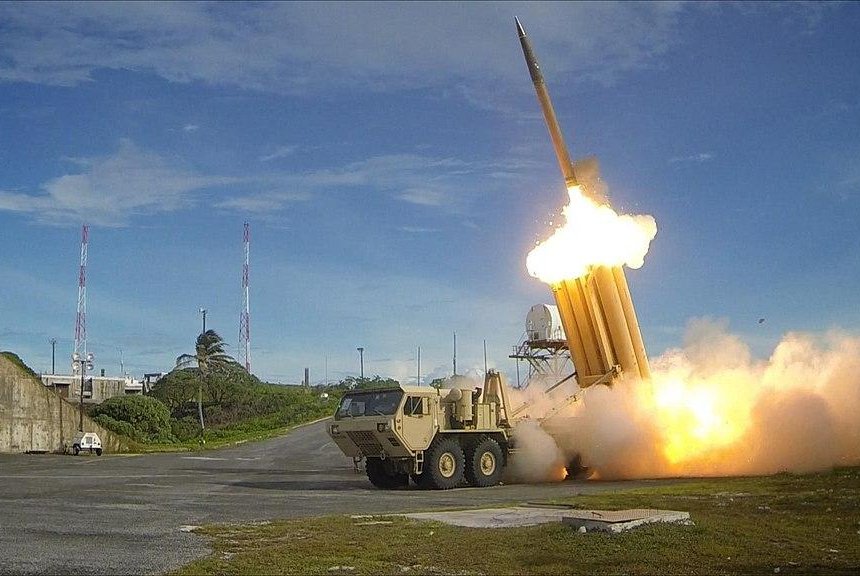
South Korea has announced the integration of a comprehensive air and missile defense system aimed at countering ballistic threats through a multi-layered strategy. This system relies on distributing interception roles across different altitude levels, allowing it to engage missiles in their final stages within the atmosphere, with a clear division between low and high-altitude defense.
This integration of defensive layers, from short and medium-range systems to high-altitude interception systems, forms the basis of the operational effectiveness of the system. It provides multiple opportunities to counter threats and enhances the overall protection capability for vital targets.
Details of the Event
The South Korean Patriot system, also known as "Cheongung," is one of the most prominent medium-range air defense systems in South Korea. This system is designed to provide effective protection against a wide range of aerial threats, including aircraft, cruise missiles, and ballistic missiles in their final phase. South Korea began developing it in the early 2000s, and the first version entered service in 2015.
The system relies on an integrated architecture that includes mobile launch platforms, advanced radar, a command and control center, in addition to the interceptor missiles. The battery of the system consists of several launch vehicles, each carrying a number of ready-to-launch missiles, giving it the capability to handle multiple attacks simultaneously.
Background & Context
South Korea is considered one of the leading countries in developing air defense systems, as it seeks to enhance its defensive capabilities amid increasing regional tensions. Previous experiences have shown the importance of having an integrated air defense system to counter the growing threats from ballistic missiles, especially from neighboring countries.
The THAAD system, also known as "Korean THAAD," is one of the long-range, high-altitude air defense systems. It is specifically designed to intercept ballistic missiles and features specialized capabilities for air defense against other targets. In December 2025, Hanwha Aerospace secured a long-term production contract for manufacturing missiles for this system, reflecting South Korea's commitment to enhancing its defense capabilities.
Impact & Consequences
These developments come as part of South Korea's efforts to bolster its national security and also reflect global trends towards developing integrated defense systems. The presence of a comprehensive air defense system enhances the country's ability to counter increasing threats and raises the security level for vital targets.
The "L-SAM" system features advanced technologies developed locally and is the first Korean system to integrate a control system for deviation and positioning, enhancing the missile's maneuverability with high precision. This system relies on "direct hit" technology, where the target is destroyed through kinetic energy without the need for an explosive warhead, increasing the effectiveness of interception.
Regional Significance
These developments in South Korea reflect the importance of enhancing defense capabilities amid regional tensions. For Arab countries, these systems may serve as a model for developing air defense strategies, especially in light of the increasing security challenges in the region.
In conclusion, South Korea's reliance on the Patriot and THAAD systems represents a strategic step towards enhancing its national security and reflects global trends towards developing integrated and effective defense systems.