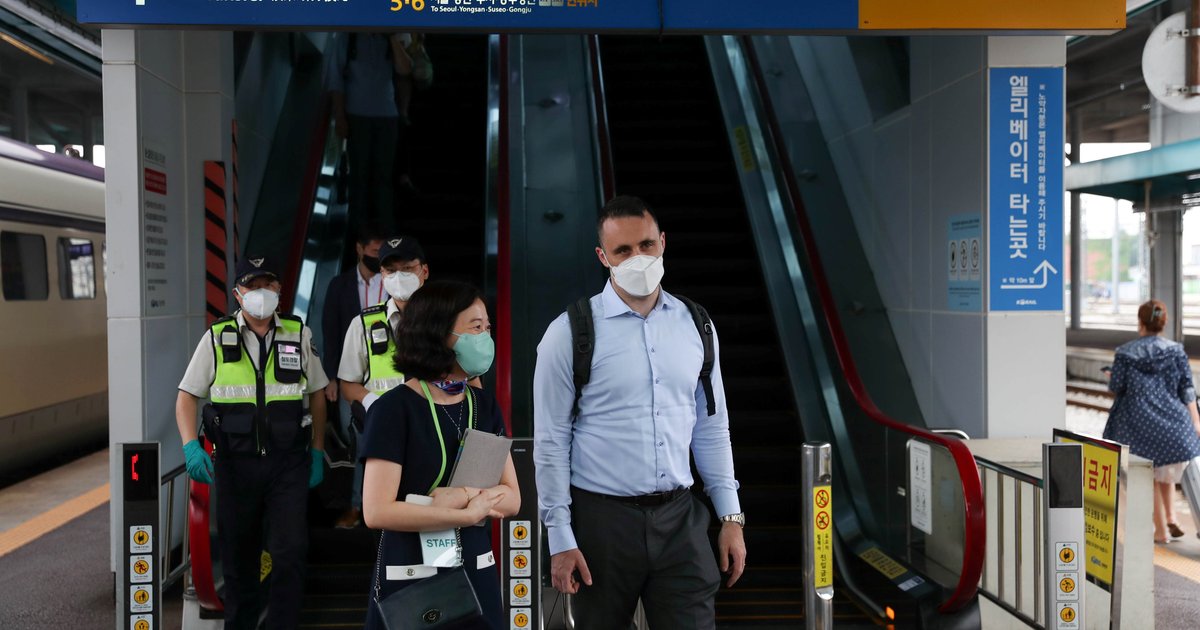
South Korea has reported a record number of over 100,000 new COVID-19 cases in the last 24 hours, according to health reports. This sharp rise in infections comes at a critical time as the country is trying to combat a new wave of the virus with the onset of winter.
These figures serve as a wake-up call for the South Korean government, which had begun to ease restrictions on public life earlier this year. However, the significant increase in cases indicates that the virus remains a major threat to public health.
Details of the Situation
According to data released by the Korea Centers for Disease Control and Prevention, 102,000 new infections were recorded, representing a 30% increase from the previous week. Additionally, 50 new deaths were reported, raising the total death toll to over 30,000 since the beginning of the pandemic.
This surge in cases comes at a sensitive time as the country prepares to host large events during the holiday season, increasing fears about the spread of the virus in public gatherings.
Background & Context
Since the onset of the COVID-19 pandemic, South Korea has taken proactive measures to combat the virus, including widespread testing and contact tracing systems. However, the emergence of new variants has affected the effectiveness of these measures, prompting the government to reconsider its strategy.
In recent years, the country has seen significant improvements in controlling the virus, but these new figures remind us of the challenges South Korea faces in dealing with the pandemic. These numbers have impacted public confidence in the government's ability to manage the health crisis.
Impact & Consequences
This increase in cases is expected to lead to the reimposition of some restrictions, which could affect economic and social activities in the country. Additionally, these figures may lead to a decline in tourism, as visitors might avoid traveling to South Korea under the current circumstances.
The government faces a significant challenge in balancing public health and economic support. It may require strict measures to ensure citizens' safety, potentially leading to negative impacts on daily life.
Regional Significance
These developments in South Korea are significant for the Arab region, as they could influence the strategies of Arab countries in dealing with the pandemic. Countries may benefit from South Korea's experiences in implementing effective measures to combat the virus, especially with winter approaching.
Furthermore, the increase in infections could affect travel and trade between countries, necessitating coordination among Arab governments to address shared challenges.
In conclusion, the new figures in South Korea reflect the urgent need to enhance efforts to combat COVID-19 and underscore the importance of adhering to health measures to ensure community safety.