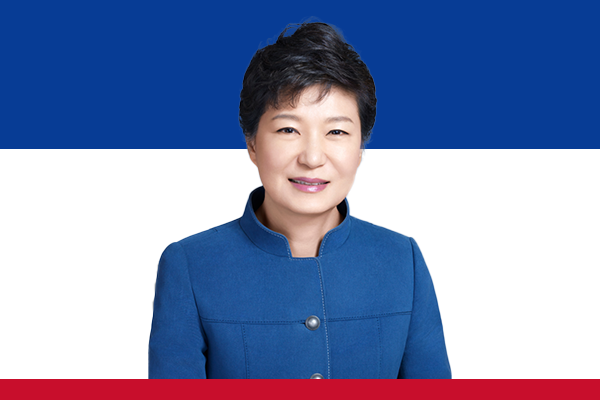
A South Korean court has issued a ruling to extend the prison sentence of Kim Young-sook, the wife of former president Park Geun-hye, in a corruption case that has shaken the nation. The new ruling comes after investigations revealed strong evidence of her involvement in cases of abuse of power and financial corruption.
Kim has been sentenced to ten years in prison, having been proven to have contributed to the formation of a network of financial corruption alongside several businessmen. She was convicted on charges related to receiving bribes and exerting influence, leading to a significant decline in public trust in the government.
Details of the Case
The details of the case date back to the presidency of Park Geun-hye, where suspicious relationships with major companies were uncovered, inciting public outrage in South Korea. This case led to widespread protests across the country, with citizens demanding accountability from those responsible for the corruption.
In recent years, South Korea has witnessed several similar corruption cases, resulting in radical changes in the political system. This case is considered one of the largest scandals in the country's history, culminating in the ousting of Park Geun-hye from her position in 2017.
Background & Context
Historically, corruption cases have always been part of the political landscape in South Korea, where the country has seen several scandals leading to resignations and dismissals of numerous presidents. In 2016, protests against Park Geun-hye began after her involvement in corruption cases was revealed, leading to her trial and conviction.
This case exemplifies how corruption impacts politics in South Korea, as the government seeks to restore public trust by holding accountable those responsible for these actions. These events have prompted changes in laws regarding transparency and accountability.
Impact & Consequences
The repercussions of this case extend beyond the borders of South Korea, affecting the relationship between the government and the people. It has led to increased public awareness about corruption issues and the importance of transparency in governance.
This case may also pave the way for further investigations into other corruption cases, potentially leading to changes in government policies. These events could influence how other countries address corruption issues, as governments strive to improve their image before their citizens.
Regional Significance
Corruption cases are part of the challenges facing many Arab countries, where some governments suffer from a loss of trust due to corruption. The South Korean experience could serve as a lesson for Arab nations on how to tackle corruption and accountability issues.
Enhancing transparency and accountability could contribute to improving the political and economic conditions in the region, thereby strengthening the stability of nations and increasing citizens' trust in their governments.
The extension of the prison sentence for Kim Young-sook reflects South Korea's commitment to combating corruption and is an important step towards restoring public trust in the political system. Other nations should learn from this experience to enhance transparency and accountability.