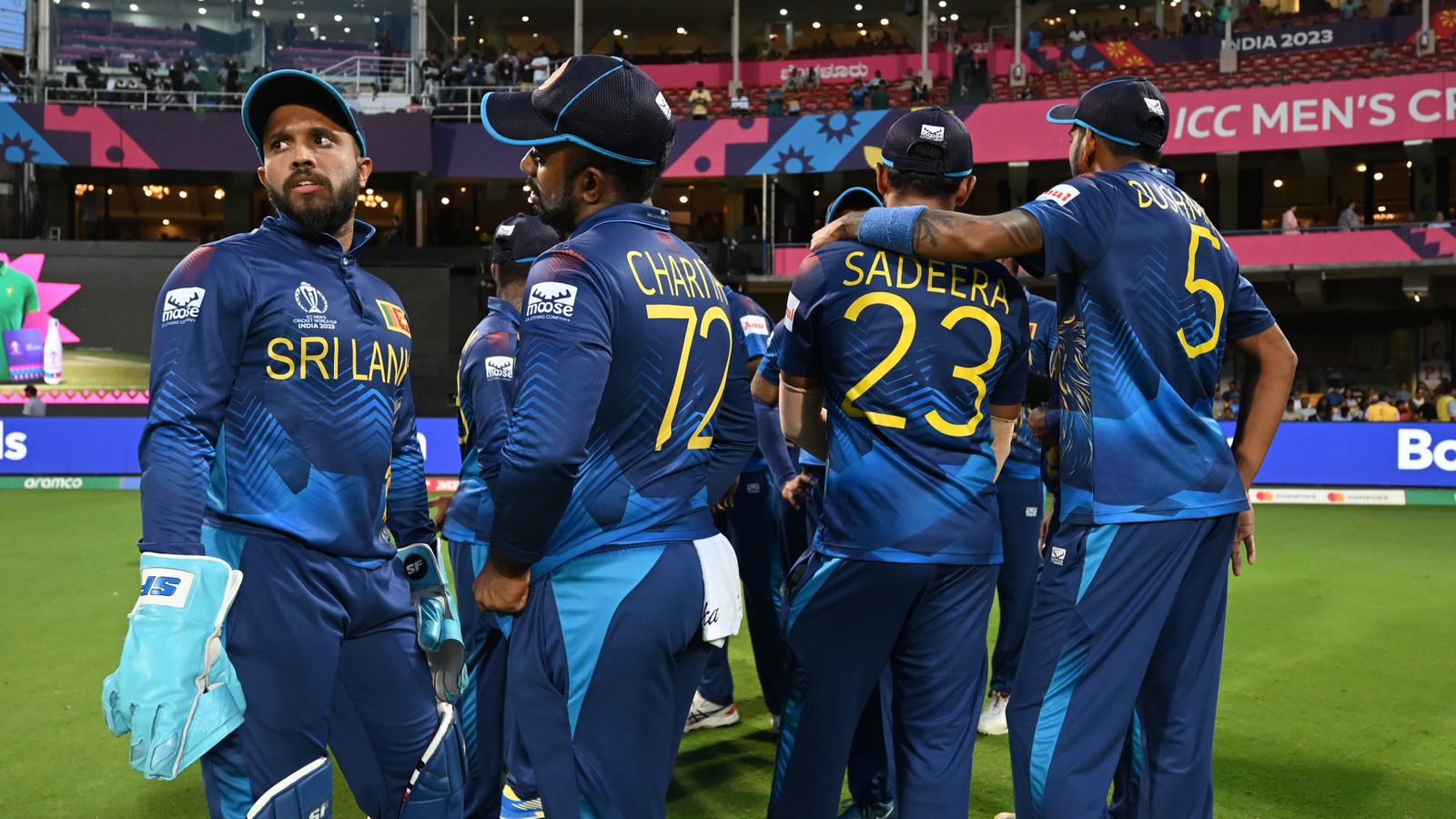
The Sri Lankan government has declared that it will temporarily manage the country's cricket board as part of its efforts to restructure administration and enhance performance in this popular sport. This move follows a series of crises that have negatively impacted the reputation of the game in Sri Lanka.
This decision comes after a period of criticism directed at the cricket board, where many observers pointed out inefficiencies in managing the affairs of the game, leading to a decline in the national team's performance in international competitions. The government hopes that this temporary administration will help improve the current situation and bolster the status of Sri Lankan cricket.
Details of the Decision
This decision was made during an emergency government meeting, where the challenges facing Sri Lankan cricket were discussed. A temporary committee has been appointed to manage the board, consisting of a group of experts in sports and administration. The government hopes this committee will be able to devise a strategic plan to rebuild trust in the game.
Cricket is one of the most popular sports in Sri Lanka, enjoying a large following. However, the national team's declining performance in recent years has adversely affected the game's popularity, prompting government intervention.
Background & Context
Historically, Sri Lanka has seen significant successes in cricket, with the national team winning the World Cup in 1996. However, in recent years, results have noticeably declined, leading to a loss of confidence among fans. The cricket board has faced sharp criticism for its lack of transparency in management.
Financial crises within the board have also exacerbated the situation, as teams have suffered from a lack of funding and support. These conditions have compelled the government to make a bold decision to intervene directly in the management of the game.
Impact & Consequences
This move is expected to bring about radical changes in how cricket is managed in Sri Lanka. The government hopes that the temporary committee will lay new foundations for the administration of the game, which could positively reflect on the national team's performance in the future.
If this temporary administration succeeds in achieving its goals, it may restore confidence among fans and reestablish Sri Lanka's position as a force in the cricket world. However, if it fails, the crises may worsen, increasing pressure on the government.
Regional Significance
Sri Lanka is one of the countries that has seen increasing interest from Arab nations in sports and tourism. Government intervention in cricket management may open new avenues for cooperation between Sri Lanka and Arab countries, particularly in organizing sports tournaments.
The Sri Lankan experience could serve as a lesson for Arab countries facing similar challenges in their sports administrations, reflecting the importance of government intervention in improving performance and enhancing transparency.