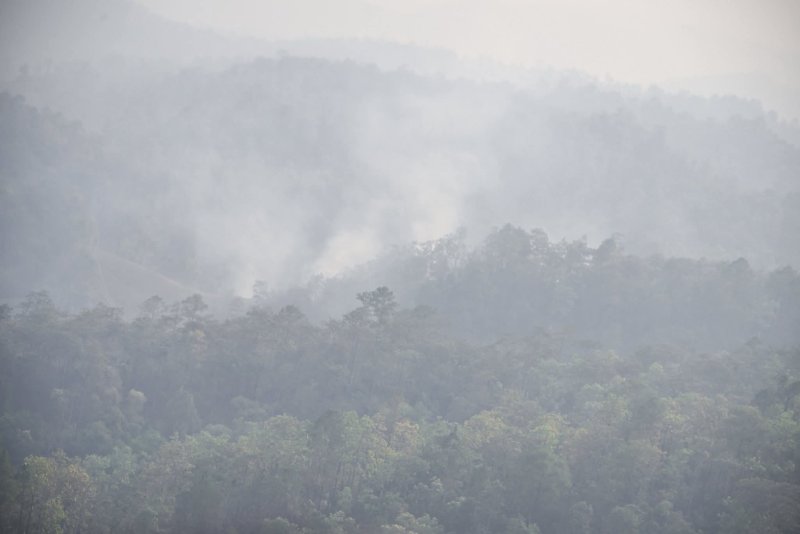
The Thai government has declared a state of emergency in three northern provinces, namely Chiang Mai, Lamphun, and Phayao, due to a decline in air quality that has reached dangerous levels. This decision comes after days of unprecedented air pollution levels in the city, prompting authorities to take urgent measures to protect residents.
In a statement, Onsit Sombontharat, the permanent secretary of the Ministry of Interior, confirmed that this announcement will enable governors to disburse emergency funds according to the Ministry of Finance's regulations regarding disaster relief. He also noted that the situation requires a unified response to address the damage to life and property.
Details of the Incident
Chiang Mai has topped the list of the most polluted cities in the world for the fifth consecutive day, according to reports from the Swiss company iQAir, which specializes in tracking air pollutants. The city recorded an air quality index of 206 at 3 PM, indicating an extremely unhealthy condition, with levels of fine particulate matter (PM2.5) reaching 131 micrograms per cubic meter, significantly exceeding the safe limit of 37.5 in Thailand.
This crisis comes at a time when the country is also grappling with wildfires and the smoke they produce, exacerbating the air pollution problem. The state of emergency has been declared in the three provinces to facilitate the distribution of emergency aid.
Background & Context
Historically, Thailand, especially the northern regions, has faced recurring air quality issues, particularly during the dry season. Wildfires, whether natural or resulting from human activities, contribute to worsening this problem. Studies have shown that air pollution in these areas negatively impacts public health, necessitating urgent government interventions.
Chiang Mai is considered one of Thailand's popular tourist destinations, and with rising pollution levels, the tourism sector may be significantly affected, negatively impacting the local economy. Additionally, the decline in air quality affects the health of residents, increasing the need for immediate action.
Impact & Consequences
The repercussions of air pollution in northern Thailand extend beyond public health, as it can affect the local economy by reducing tourist numbers and increasing healthcare costs. Continued deterioration of air quality may lead to protests from local residents demanding improvements in environmental conditions.
The Thai government is striving to address this crisis by providing financial assistance and activating emergency plans, but the biggest challenge remains how to balance economic development with environmental protection.
Regional Significance
Air pollution and climate change issues are global challenges that affect all countries, including Arab nations. Many Arab cities face similar air quality problems, necessitating the exchange of experiences and cooperation among countries to tackle these challenges.
What is happening in Thailand could serve as a lesson for Arab countries on how to deal with environmental crises, as there should be clear strategies to mitigate the effects of pollution and improve air quality.