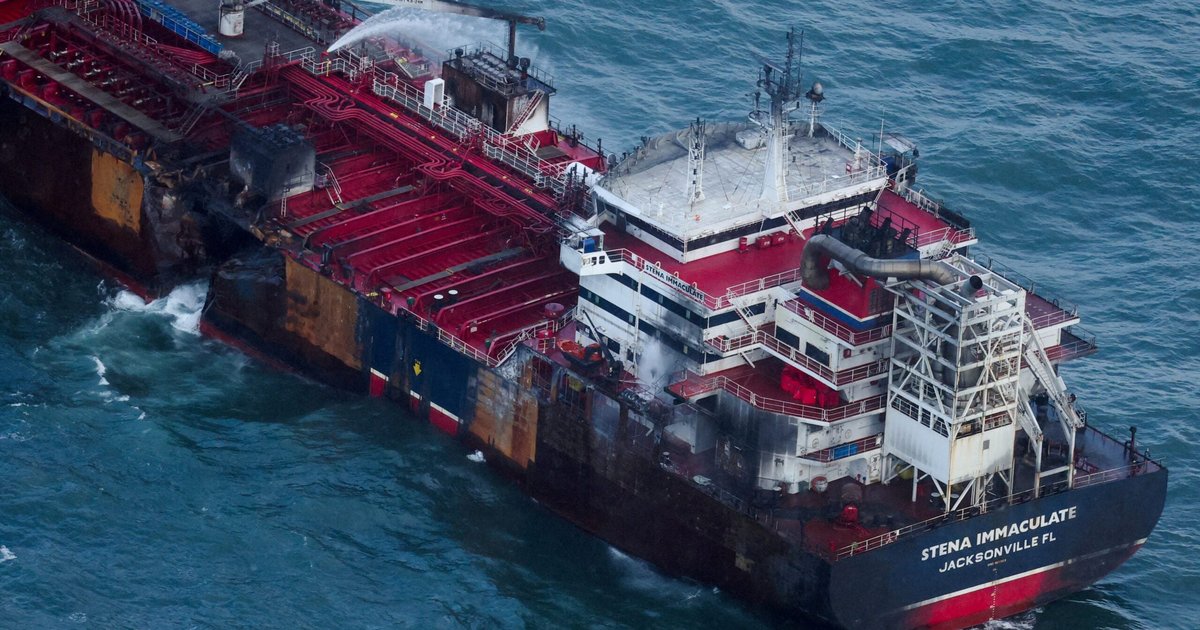
The Iranian Fars news agency has reported that oil tanker movement through the Strait of Hormuz has halted due to Israeli attacks on Lebanon, raising alarms about the stability of global oil markets. The Strait of Hormuz is one of the most crucial maritime passages, accounting for approximately 20% of the world's oil supply, and a cessation of traffic could lead to negative impacts on prices.
The Israeli attacks, which targeted multiple areas in Lebanon, have sparked widespread reactions, with local sources confirming the destruction of some vital infrastructure. Iran has expressed its concern over the military escalation, warning of its repercussions on regional security.
Details of the Situation
These events come at a sensitive time, as forecasts indicated an increase in oil demand during the winter season. Experts have warned that the halt in tanker movements could lead to rising prices in global markets, adversely affecting oil-importing countries.
Historically, the Strait of Hormuz has witnessed numerous crises that have impacted maritime navigation, alongside increasing tensions between Iran and Israel, complicating the security situation in the region.
Background & Context
Lebanon is currently grappling with a severe economic crisis, and the Israeli attacks have further complicated the situation, presenting significant challenges for the Lebanese government in terms of reconstruction. These conditions could lead to greater military escalation, threatening regional security.
Impact & Consequences
The cessation of tanker movements in the Strait of Hormuz could have serious economic repercussions, as oil prices may rise, increasing pressure on global economies. Countries that heavily rely on oil may face difficulties if these tensions persist, potentially escalating tensions among major powers in the region.
Regional Significance
This event directly impacts the stability of global oil markets and reflects the increasing regional tensions. The situation necessitates close monitoring as it could lead to broader geopolitical ramifications.
As the situation develops, stakeholders in the oil market and regional governments will need to navigate these challenges carefully to mitigate potential fallout.