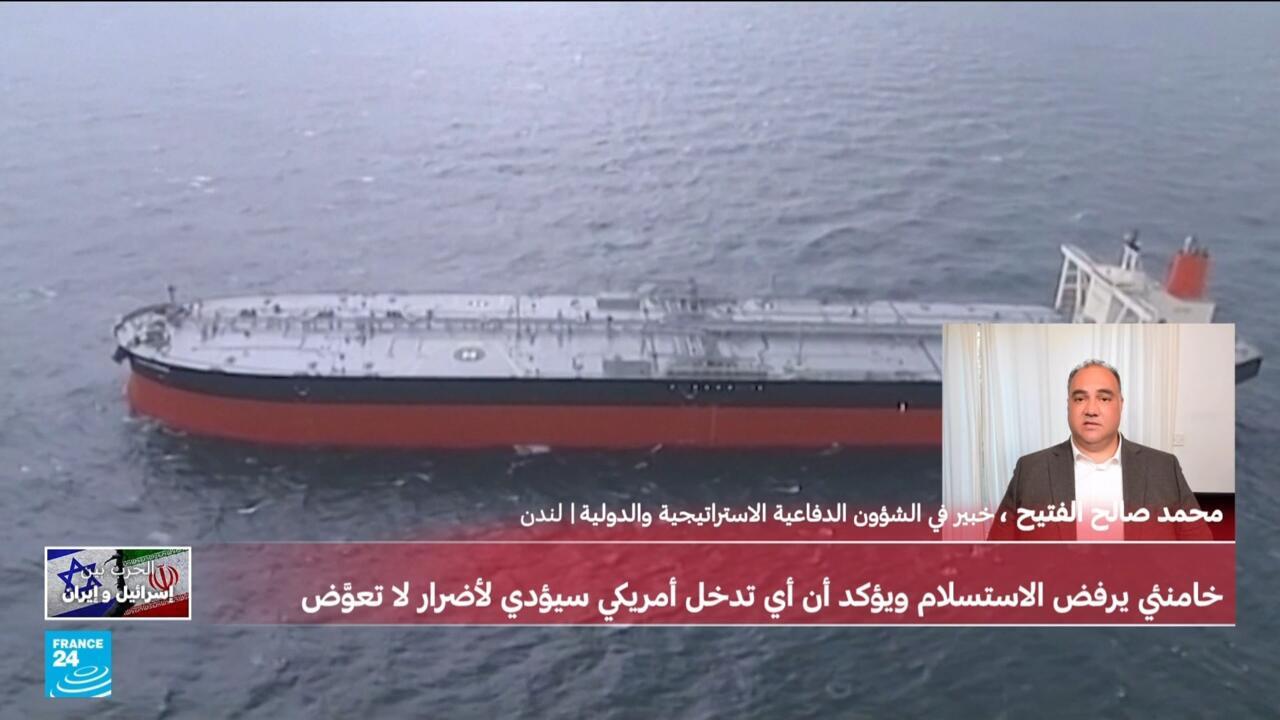
Global markets are experiencing significant anxiety due to the accelerating events in the Strait of Hormuz, considered a strategic maritime corridor accounting for about one-fifth of the crude oil and liquefied natural gas relied upon by the global economy for its supply. As military escalation in the Middle East involving several key countries unfolds, these conditions directly impact maritime navigation and exacerbate the economic crisis in vast regions of the world.
According to recent reports, the paralysis in transit in the strait is not limited to its direct effect on oil prices; it extends to broader concerns regarding energy security. As military clashes draw nearer, fears are escalating about potential attacks on oil tankers, threatening to disrupt energy supplies and casting a shadow over financial markets, which could lead to a doubling of oil prices.
In a related context, reports indicate a notable rise in oil prices in recent days, as investors brace for any deterioration in the situation. Experts estimate that the continuation of these conditions could trigger even higher prices, adversely affecting the global economy, particularly impacting oil-importing countries.
Historically, the Strait of Hormuz is one of the most sensitive strategic points globally, accounting for about 21% of global oil consumption. Its long history of tensions and conflicts makes it a focal point for many international events. The Hormuz crisis is not new; there have been sharp increases in oil prices in the past due to escalating disputes in the region, and previous crises, such as the closure of the strait or attacks on oil tankers, have had profound repercussions on global markets.
The current situation requires careful analysis of the potential risks, particularly as any additional escalation could lead to further breakdown in oil supplies and unprecedented increases in gas prices. A crucial factor here is the stance of major powers intervening in the conflicts, with expectations regarding the lifting of sanctions or steps to enhance stability.
The recent events also reflect the instability affecting the entire region. Neighboring Arab countries, including Iraq and Saudi Arabia, may find themselves in a difficult position amidst calls for restraint and seeking diplomatic solutions.
This situation is likely to continue impacting oil prices broadly, as global energy security is a lifeline upon which many countries' economies depend. With increasing concerns, pressure is mounting on governments to find solutions that ensure market stability and maintain supply.
In conclusion, the political and economic dimensions of events in the Strait of Hormuz require ongoing attention, as the strait is considered a key indicator of the health of the global economy. In the event of instability, the repercussions will be significant for all market actors.