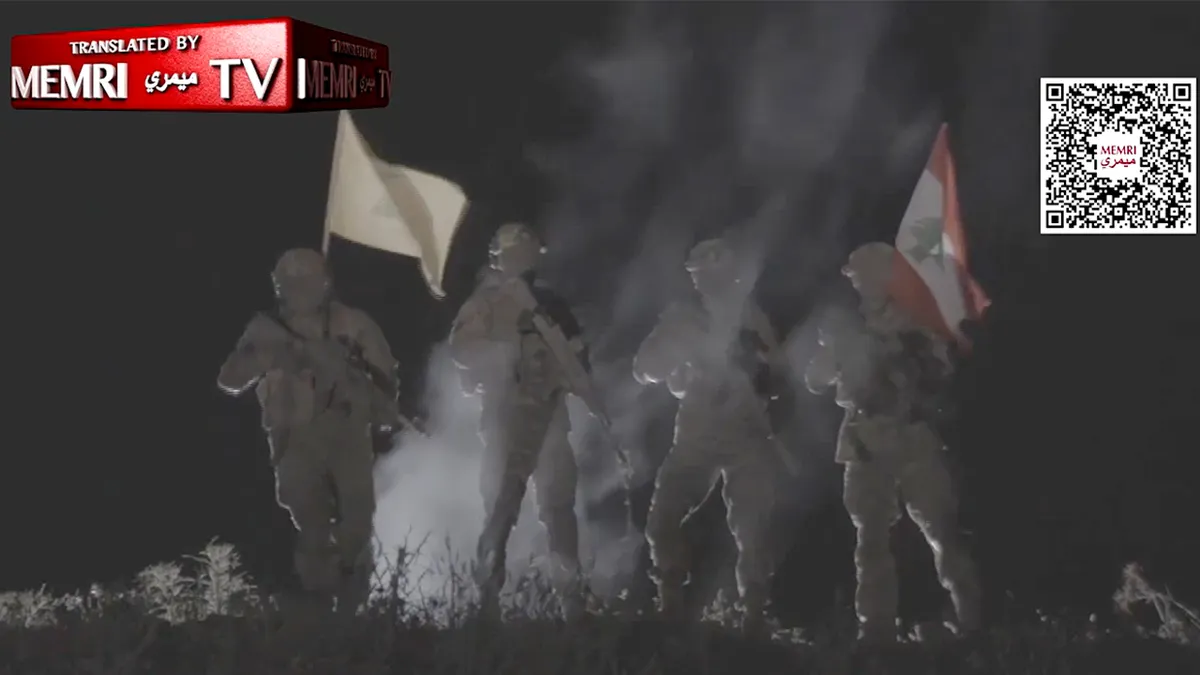
A recent report has uncovered strategic vulnerabilities within Hezbollah, reflecting negative impacts on its military capabilities. These gaps emerge at a critical time as the region faces escalating tensions.
These vulnerabilities pertain to several aspects, including a lack of coordination among military units, as well as weaknesses in logistical supplies. The report also indicated that Hezbollah is facing increasing challenges in maintaining its combat readiness, especially under regional and international pressures.
Details of the Situation
Informed sources reported that Hezbollah, one of the prominent Iranian-backed armed factions, is suffering from a shortage of human and technical resources. This deficiency could affect its ability to carry out military operations efficiently, raising questions about its future in regional conflicts.
The report also noted a decline in direct Iranian support, which adds to the pressures on the party. Under these circumstances, it appears that Hezbollah needs to reassess its military and tactical strategies to confront new challenges.
Background & Context
Hezbollah was established in the 1980s as a faction resisting the Israeli occupation in Lebanon, and since then it has evolved into a significant military and political force in the region. However, recent geopolitical changes, including conflicts in Syria and Iraq, have significantly impacted its role.
Historically, Hezbollah has relied on Iranian support, both in terms of funding and training. However, with increasing international pressures on Iran, this support seems to be diminishing, placing the party in a difficult position.
Impact & Consequences
The effects of these vulnerabilities extend beyond Hezbollah itself, as they could lead to instability in Lebanon and the region. If the party continues to face these challenges, it may result in heightened tensions with Israel or even with other factions in Lebanon.
Moreover, Hezbollah's weaknesses could encourage its adversaries to take bolder actions, increasing the likelihood of new conflicts erupting in the region. These dynamics may also affect political stability in Lebanon, which is already grappling with economic and political crises.
Regional Significance
The developments concerning Hezbollah are particularly significant for the Arab region, as any changes in the balance of power could impact many neighboring countries. The conflicts in Lebanon, Syria, and Iraq are closely interconnected, and any weakness in one party could lead to widespread repercussions.
Furthermore, the ongoing tensions in the region may affect peace and stability efforts, complicating the possibility of finding lasting solutions to existing conflicts.
In conclusion, the current vulnerabilities within Hezbollah emerge as a key factor that could influence the party's future and its role in the region. The current situation requires careful monitoring by all concerned parties, as any developments could have far-reaching effects.