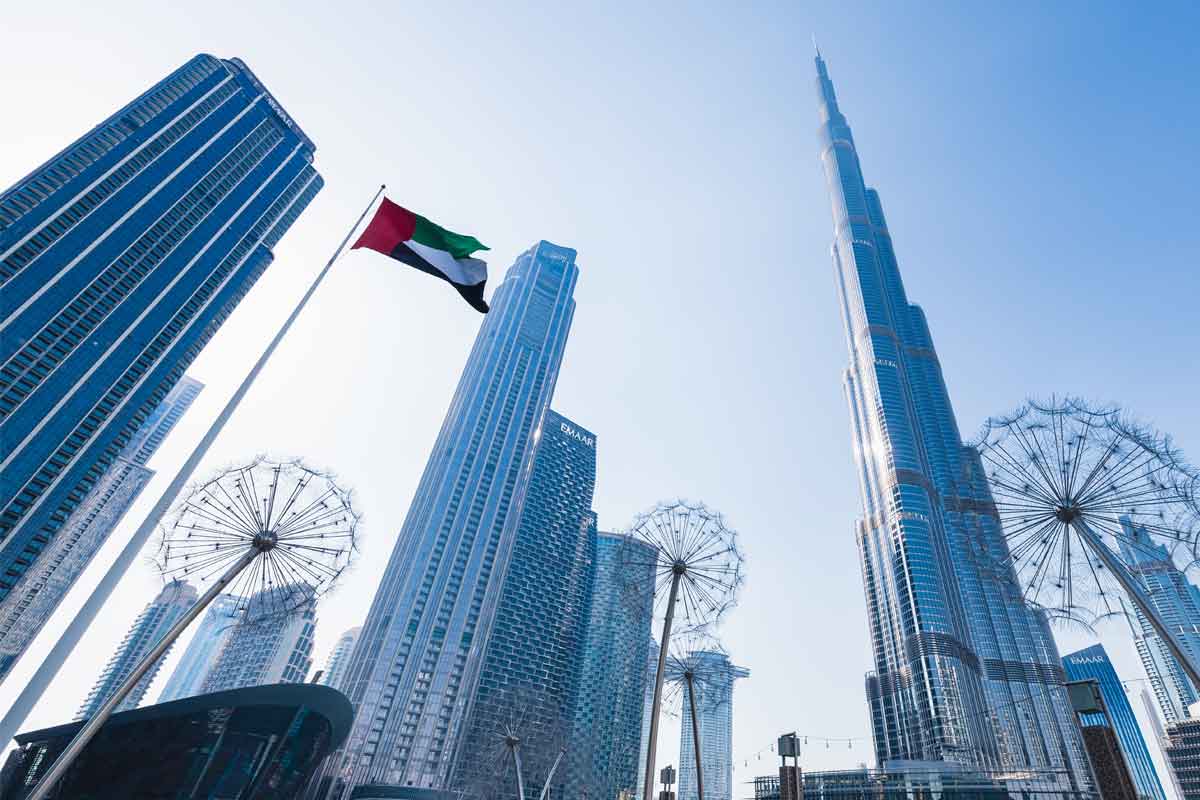
Amid the increasing challenges facing the Arab world, recent reports have confirmed that the image of Arab nations has not been affected; rather, these countries have become stronger and more capable of confronting crises. These statements come at a time when many nations are suffering from political and economic crises, underscoring the ability of Arab countries to adapt and remain resilient.
The challenges confronting Arab nations are numerous, ranging from internal political crises to regional tensions. However, these countries have demonstrated their ability to withstand and adapt to changing circumstances, reflecting the strength of their institutions and their capacity to manage crises.
Event Details
Reports indicate that Arab nations have taken strategic steps to enhance their internal stability and develop their economies. For instance, some countries have strengthened economic cooperation among themselves, which has helped to bolster trade links and reduce reliance on external powers. Furthermore, there are ongoing efforts to enhance security and stability in the region, contributing to the improved overall image of Arab nations on the international stage.
Moreover, Arab countries are striving to enhance their standing in the international community through active participation in international organizations and providing humanitarian assistance to other nations. These efforts reflect the commitment of Arab nations to achieving peace and stability in the region.
Context and Background
Historically, Arab nations have faced numerous crises that have impacted their image worldwide. From internal conflicts to external interventions, these countries have often been in the spotlight due to the crises they endure. However, the political and economic changes witnessed in some Arab nations in recent years indicate a positive shift in their overall image.
For example, some Arab nations have experienced positive political transformations that have led to the enhancement of democracy and human rights. These transformations have contributed to improving the image of Arab countries in the eyes of the international community, reflecting their commitment to positive change.
Implications and Effects
The impact of these transformations on Arab nations will be far-reaching. Efforts to promote stability and development are expected to improve relations between Arab countries and other nations. Additionally, enhancing economic cooperation among Arab nations can contribute to achieving sustainable development and reducing economic disparities.
Furthermore, improving the image of Arab nations can help attract foreign investments, which boosts economic growth and creates job opportunities. Collectively, these factors can contribute to achieving stability in the region and enhancing social and economic development.
Impact on the Arab Region
The positive image of Arab nations is crucial for achieving stability in the region. The stronger and more cohesive the Arab nations are, the better they can confront common challenges, such as terrorism and extremism. These challenges require close cooperation among Arab countries to achieve security and stability.
Additionally, enhancing cooperation among Arab nations can contribute to achieving sustainable development, benefiting all peoples in the region. Ultimately, the positive image of Arab nations reflects their commitment to positive change and fostering stability in the region.
In conclusion, the ability of Arab nations to withstand and adapt to current challenges reflects their strength and resilience. Under the current circumstances, it is essential for these countries to continue enhancing their cooperation and developing effective strategies to achieve sustainable development and stability.