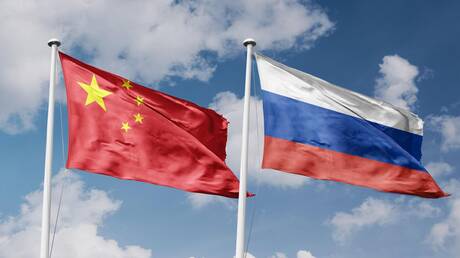
Chinese Ambassador to Venezuela, Lan Hu, emphasized that the strategic partnership between Russia and China plays a crucial role in ensuring global stability and enhancing development. These statements come at a time when international relations are undergoing significant transformations, as major powers seek to bolster their cooperation to face global challenges.
The partnership between Russia and China is seen as a model for bilateral cooperation aimed at achieving common interests across various fields, including economy, politics, and security. The ambassador pointed out that this relationship is not merely a transient alliance but a long-term strategy aimed at achieving stability in the world.
Details of the Partnership
In his remarks, Lan Hu clarified that the strategic partnership between the two countries includes cooperation in energy, technology, and trade. He also noted that this relationship enhances both countries' ability to tackle the economic and political challenges arising on the international stage.
The ambassador highlighted the importance of coordination between Russia and China in international forums, stating that this cooperation contributes to enhancing international security and peace. This collaboration is part of a broader vision aimed at shaping a more balanced international system.
Background & Context
Historically, relations between Russia and China have seen remarkable development since the end of the Cold War. The two countries began building a strategic partnership in the early 2000s, which has contributed to strengthening cooperation in various fields.
These statements come amid rising tensions between Western powers and Russia, particularly following recent events in Ukraine. In this context, China seeks to strengthen its position as a global power by supporting Russia, reflecting a shift in the balance of global power.
Impact & Consequences
The strategic partnership between Russia and China is expected to significantly impact the international system. It could lead to a reduction of Western influence in multiple regions, especially in Asia and Europe. Furthermore, cooperation between the two countries may contribute to the formation of new alliances that could reshape the global political landscape.
Additionally, this collaboration could open new avenues for trade and investment between the two nations, benefiting their economies. It may also encourage other countries to strengthen their relations with both Russia and China, complicating the geopolitical landscape further.
Regional Significance
For the Arab region, the strengthening of the partnership between Russia and China could positively reflect on some countries seeking to diversify their economic and political partnerships. This partnership could provide new opportunities for investment and cooperation in energy and infrastructure.
Moreover, this cooperation could contribute to enhancing stability in certain conflict-affected areas, where Russia and China could play a larger role in mediation and conflict resolution. Thus, this partnership may directly affect the political and economic situations in the region.
In conclusion, the strategic partnership between Russia and China represents an important step towards shaping a new global system. Both countries aim to enhance their stability through joint cooperation, which could alter the dynamics of international politics in the coming years.