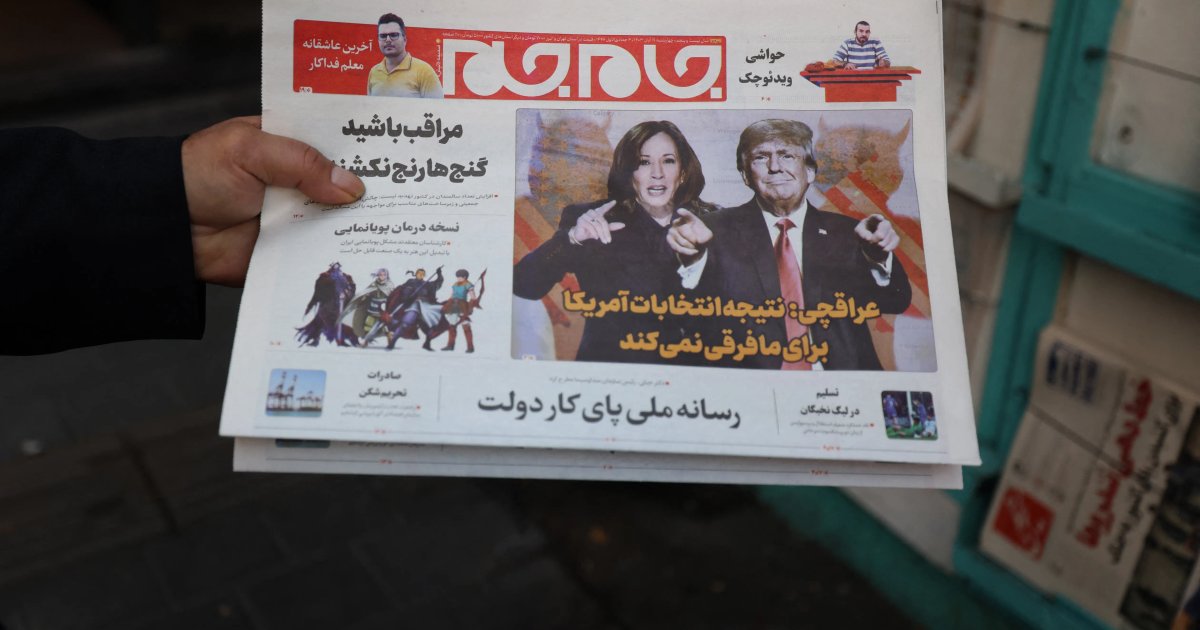
Writer Alexander Khramchikhin, in his article on Svoboda Press, suggests that Iran owes a debt of gratitude to U.S. President Donald Trump, as U.S. actions have regularly contributed to enhancing Tehran's geopolitical position not only in the Middle East but globally.
Khramchikhin reflects on the events of 1979 in Iran, where anti-American sentiment arose following the Islamic Revolution. A pivotal moment was the seizure of the U.S. embassy, which forced Americans to pay a ransom for their diplomats, an affront they have never forgotten.
Details of the Event
Khramchikhin transitions to the Gulf Wars of 1991 and 2003, where Washington believed that the fall of Saddam Hussein and the defeat of the Ba'ath Party would lead to the establishment of a liberal democracy in Iraq. However, the reality showed a significant increase in the role of Shiites in Iraq's political and economic life, which bolstered Iran's influence as it began to forge close ties with Iraqis.
Although Baghdad did not become a puppet in Tehran's hands, Iran emerged as the most powerful external influence in Iraq. Tehran also began to build...
Background & Context
The historical backdrop of U.S.-Iran relations is marked by a series of conflicts and misunderstandings. The Islamic Revolution not only transformed Iran's political landscape but also reshaped its foreign relations, particularly with the United States. The U.S. has consistently viewed Iran with suspicion, leading to a cycle of sanctions and military interventions.
In the aftermath of the Gulf Wars, Iran capitalized on the power vacuum in Iraq, establishing itself as a key player in the region. The U.S. miscalculations in Iraq allowed Iran to expand its influence, creating a new geopolitical reality that Washington had not anticipated.
Impact & Consequences
The consequences of U.S. actions in the Middle East have been profound. By attempting to reshape the region through military interventions, the U.S. inadvertently strengthened Iran's position. This has led to a reconfiguration of alliances and enmities, with Iran becoming a central figure in regional politics.
The rise of Iranian influence has also prompted a response from neighboring countries, leading to increased tensions and a complex web of alliances. The U.S. continues to grapple with the implications of its past actions as Iran asserts its role on the global stage.
Regional Significance
The significance of Iran's enhanced position cannot be overstated. As a major player in the Middle East, Iran's actions have ripple effects across the region, influencing everything from energy politics to security dynamics. The U.S. must navigate this new reality carefully, as its previous strategies have led to unintended consequences.
In conclusion, the interplay of U.S. foreign policy and Iranian geopolitics illustrates the complexities of international relations. Understanding this dynamic is crucial for any future engagement in the region.