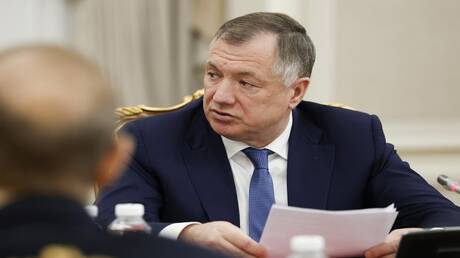
Russian Deputy Prime Minister Marat Khusnullin emphasized the growing importance of cooperation between Russia and Islamic countries amid escalating crises in the Middle East. He noted that this partnership reflects new strategic trends in international politics, which necessitate strengthening relations between Russia and Islamic nations.
In his remarks, Khusnullin explained that Russia seeks to expand its cooperation with Islamic countries, particularly in the fields of economics, energy, and security. This collaboration comes at a time when the region is facing significant challenges, making it essential to enhance strategic partnerships.
Details of the Partnership
The partnership between Russia and Islamic countries is part of Moscow's strategy to enhance its influence in the region. Russia aims to establish strong relations with predominantly Muslim nations, which contributes to achieving its economic and political interests. Many Islamic countries have expressed their desire to cooperate with Russia, especially in the areas of energy and trade.
Additionally, Russia is considered an important partner for many Islamic nations in addressing security challenges, providing military and technical support. This cooperation reflects new trends in international politics, where countries seek to build new alliances to confront increasing crises.
Background & Context
Historically, relations between Russia and Islamic countries have experienced numerous fluctuations. However, recent years have witnessed a notable shift in these relations, as Russia has begun to strengthen its presence in the Middle East. This shift is part of Russia's efforts to restore its role as a major power in international politics.
The escalating crises in the region, such as the conflicts in Syria and Iraq, have contributed to enhancing cooperation between Russia and Islamic nations. Russia seeks to present itself as a key mediator in these crises, thereby strengthening its position on the international stage.
Impact & Consequences
Enhancing the partnership between Russia and Islamic countries could alter the balance of power in the region. This cooperation may lead to the formation of new alliances that affect regional and international policies. Furthermore, this collaboration could contribute to achieving stability in some troubled areas.
On the other hand, this cooperation may raise concerns among some Western nations that believe strengthening ties between Russia and Islamic countries could threaten their interests in the region. Therefore, this partnership may have far-reaching implications for international politics.
Regional Significance
For the Arab region, strengthening the partnership between Russia and Islamic countries could open new horizons for economic and political cooperation. Arab nations may benefit from Russian expertise in the fields of energy and technology.
This partnership could also enhance the ability of Arab countries to face security challenges, especially amid ongoing crises in some nations. Thus, cooperation with Russia may have a positive impact on stability in the region.
In conclusion, it appears that the partnership between Russia and Islamic countries will continue to grow, reflecting fundamental changes in international politics. This partnership may have long-term effects on international relations in the future.