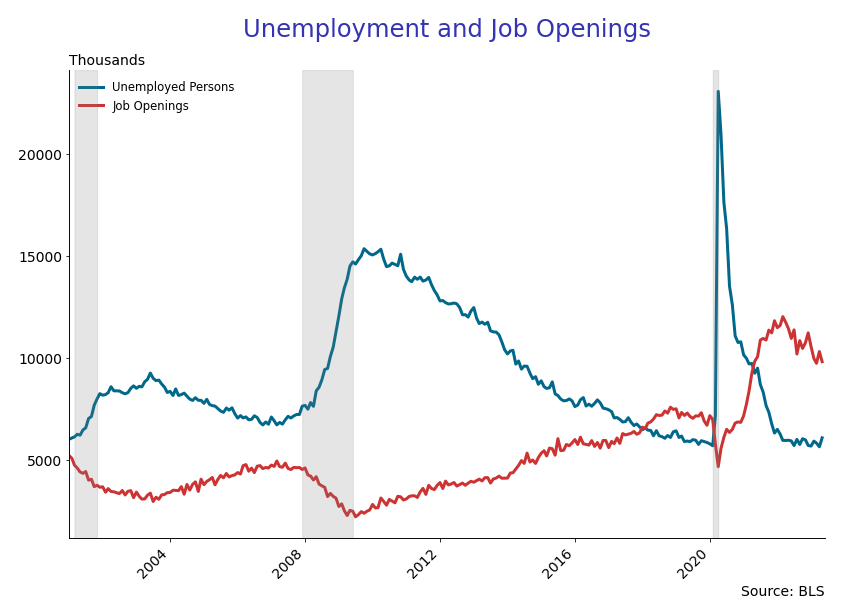
Recent U.S. labor market data has shown a significant improvement in employment rates, contributing to the gains on Wall Street and European stock markets. These figures, which surpassed expectations, indicate an economic recovery that could impact future financial policies.
Reports indicate that the number of new jobs added in the United States last month exceeded expectations, reflecting the strength of the U.S. economy in the face of global challenges. Additionally, the unemployment rate has dropped to levels not seen in several years, enhancing market confidence.
Details of the Event
According to reports, the U.S. economy added approximately 300,000 new jobs last month, while only 200,000 jobs were expected. This improvement in the labor market reflects the U.S. government's efforts to support the economy through financial stimulus packages and expansionary monetary policies.
Furthermore, the unemployment rate fell to 3.5%, the lowest level since 1969. These positive figures contributed to a 1.2% increase in the Dow Jones Industrial Average, while the S&P 500 index recorded a 1.5% rise.
Background & Context
This data comes at a sensitive time, as the global economy faces significant challenges due to the repercussions of the COVID-19 pandemic and the war in Ukraine. However, it appears that the U.S. economy is showing signs of recovery, which boosts confidence in financial markets.
Historically, U.S. labor markets have significantly reflected economic trends. As employment rates improve, consumer spending confidence increases, supporting economic growth. This has been evident recently, as financial markets have experienced notable recoveries.
Impact & Consequences
The improvement in labor market data may lead to changes in the monetary policies of the Federal Reserve. With rising inflationary pressures, the Fed may consider raising interest rates faster than previously expected, which could affect borrowing and investment in the future.
Moreover, this data could strengthen the U.S. government's position in international trade negotiations, as it demonstrates the strength of the U.S. economy compared to other economies. This may grant the United States more leverage in trade talks with other countries.
Regional Significance
The improvement in the U.S. economy could have direct effects on the Arab region, particularly in trade and investment sectors. With increased confidence in the U.S. economy, American investments in the Middle East may rise, enhancing economic growth in the region.
Additionally, U.S. monetary policies may influence oil prices, which in turn affects the economies of Arab countries that heavily rely on oil revenues. Therefore, monitoring developments in the U.S. labor market will be essential for understanding economic trends in the region.
In conclusion, the recent U.S. labor market data reflects an economic recovery that may influence future financial and economic policies. As conditions continue to improve, we may witness positive impacts on global financial markets, including Arab markets.