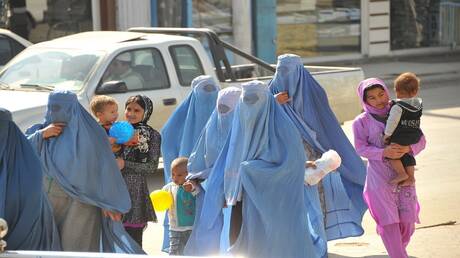
Afghan authorities have announced stricter Islamic dress codes for women in Herat, banning tight clothing in accordance with Islamic law. This decision is part of the government's efforts to reinforce adherence to Islamic values and reflects the current trends of the authorities in the country.
This step comes after a period of discussions regarding appropriate clothing standards for women, with authorities asserting that tight clothing does not align with Islamic teachings. This decision has elicited mixed reactions among citizens, with some viewing it as a positive step towards enhancing Islamic identity, while others consider it a restriction on personal freedoms.
Details of the Announcement
In Herat province, located in western Afghanistan near the border with Iran, new guidelines regarding women's clothing have been issued. This announcement was made by local officials, who confirmed that tight clothing, deemed inappropriate according to Sharia, is prohibited. It was also emphasized that loose clothing covering the entire body is necessary.
These measures come at a time when Afghanistan is experiencing significant political and social changes following the Taliban's return to power in August 2021. The movement has shown its commitment to implementing Islamic law, leading to new restrictions on the rights of women and girls in the country.
Background & Context
Historically, Afghanistan has witnessed periods of progress and openness, interspersed with times of regression and restrictions. During the Taliban's first rule from 1996 to 2001, strict limitations were imposed on women, including bans on education and work. After the regime was overthrown in 2001, women experienced a notable improvement in their rights, but the situation changed again following the Taliban's return.
Herat province is considered one of the most culturally diverse provinces in Afghanistan, housing populations from various ethnicities and religions. However, traditional values continue to play a significant role in shaping local policies, making this decision part of broader efforts to promote Islamic identity in the region.
Impact & Consequences
These measures could exacerbate social tensions in Afghanistan, as many citizens express concern over increasing restrictions on personal freedoms. This may lead to negative reactions from international human rights organizations, which might call for action against the Afghan government due to human rights violations.
Furthermore, this step could impact Afghanistan's international relations, as the government may face pressure from the international community to ease restrictions on women. These measures could also affect the country's economic situation, as empowering women is considered a crucial aspect of economic development.
Regional Significance
These developments in Afghanistan are particularly significant for the Arab region, as they reflect the challenges faced by women in Islamic societies. These events may stimulate discussions about women's rights in Arab countries, especially in light of Islamic movements seeking to implement Sharia.
Additionally, these events could be used by some groups to justify restrictions on women in Arab countries, highlighting the need to strengthen dialogue on human rights and gender equality in the region.
In conclusion, the new measures in Afghanistan reflect the ongoing challenges faced by women in the Islamic world and underscore the need to promote human rights and fundamental freedoms throughout the region.