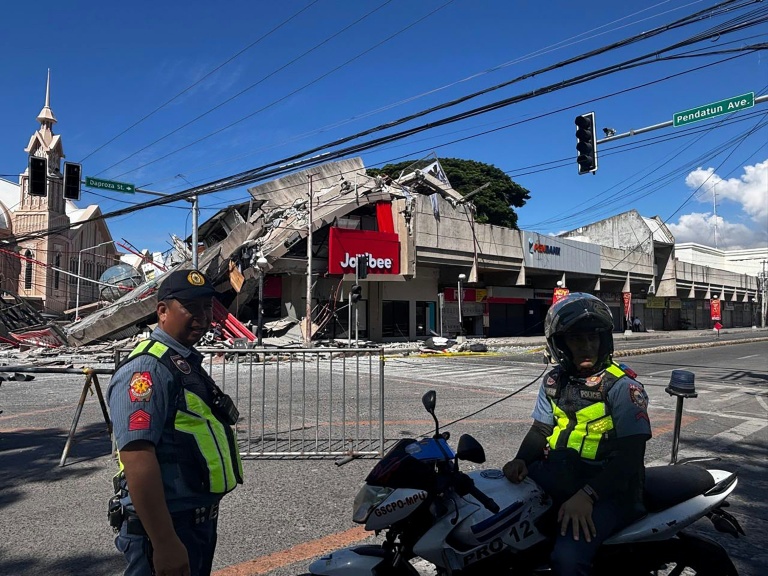
A powerful earthquake measuring 7.8 struck southern Philippines on Monday morning, October 23, 2023, resulting in at least 15 deaths and injuring over 100 others. The quake, which occurred 24 kilometers west of Mindanao Island, led to the collapse of several buildings and triggered tsunami warnings in the region.
Local authorities reported that the death toll in the Soksargen region of Mindanao reached 12, while three additional fatalities were recorded in Davao Occidental province. Reports confirmed that many buildings collapsed, including a shopping center housing a fast-food restaurant, which was filmed collapsing on social media.
Tsunami Warnings and Aftershocks
The Pacific Tsunami Warning Center issued alerts for potential tsunami waves within the next three hours along the coasts of the Philippines, Indonesia, Palau, Taiwan, and Papua New Guinea. The region also experienced a strong aftershock measuring 6.1 two hours after the main quake, heightening anxiety among residents.
In the aftermath of the earthquake, Philippine President Ferdinand Marcos called for the evacuation of coastal residents, suspending classes in affected schools. He stated, "Move to higher ground now. Do not wait. Your lives are more important than anything else."
Background & Context
The Philippines is considered one of the most earthquake-prone countries, located on the Pacific Ring of Fire, an area known for intense seismic activity. Last October, the country experienced two earthquakes measuring 7.4 and 6.7, resulting in eight fatalities, while another quake measuring 6.9 days earlier caused 76 deaths and damaged or destroyed 72,000 buildings in Cebu province.
Historically, the Philippines has faced numerous devastating earthquakes, prompting the adoption of advanced strategies for dealing with natural disasters. However, challenges remain, especially in densely populated areas.
Impact & Consequences
This earthquake serves as a stark reminder of the vulnerability of infrastructure in the Philippines to natural disasters. A swift response from the government and humanitarian agencies is required to assist those affected. The tsunami warnings indicate the need for ongoing vigilance in the face of natural hazards.
Concerns are rising that the earthquake could impact the local economy, particularly in areas reliant on tourism and trade. Rebuilding what the disaster has destroyed may take a long time and require substantial resources.
Regional Significance
This disaster highlights the importance of international cooperation in addressing natural disasters. Arab countries can benefit from sharing expertise with the Philippines in crisis management and disaster preparedness. These events remind us of the necessity to enhance infrastructure in countries facing seismic risks.
In conclusion, hope remains for the Philippines' ability to recover from this disaster, as everyone looks forward to an effective response from the government and the international community.