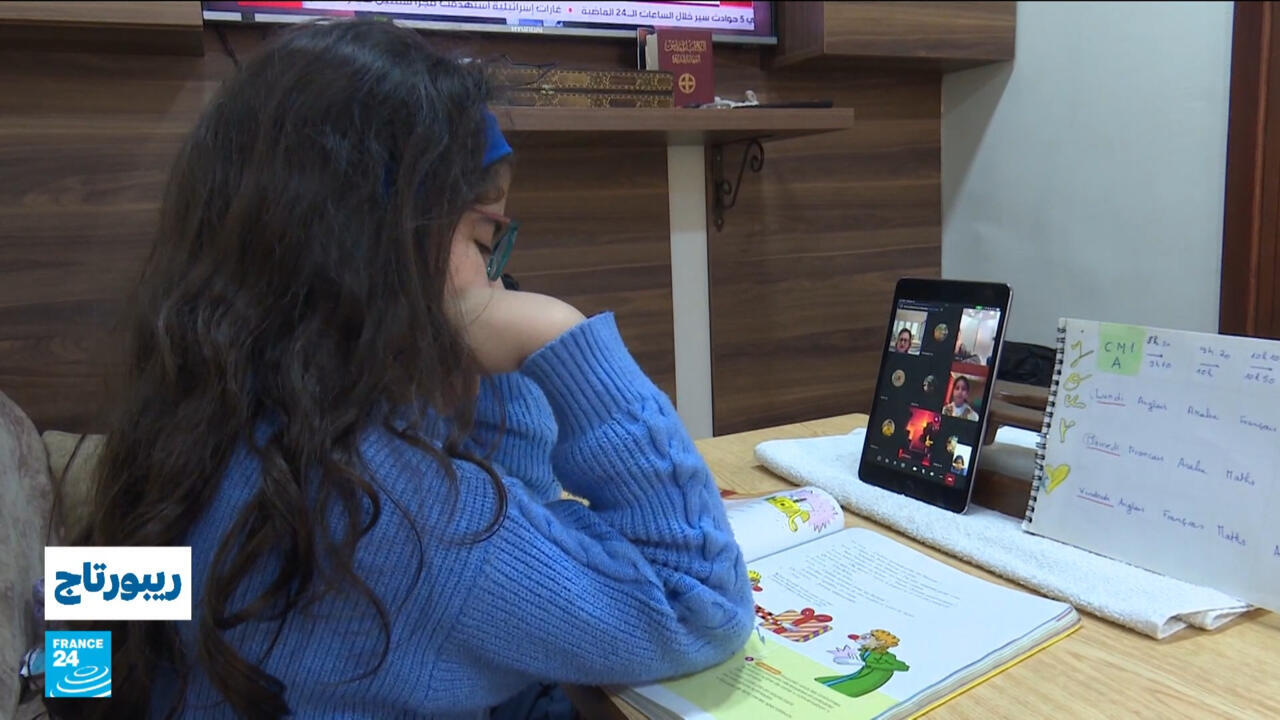
Despite the difficult circumstances Lebanon faces due to the ongoing conflict, some schools have chosen to keep their doors open to welcome students. In the capital, Beirut, one school located near the southern suburbs continues to offer education to students, while others rely on online lessons.
The challenges facing the educational process in Lebanon are numerous, as students and teachers must adapt to the conditions of war. While some strive for traditional education, others face difficulties in accessing schools due to airstrikes and security threats.
Details of the Situation
These educational initiatives in Lebanon represent a beacon of hope for many families seeking to maintain continuity in their children's education. At a time when the country is experiencing multiple crises, including economic and social challenges, the schools that remain open serve as a refuge for students.
Some schools have adopted a remote learning system, which has become a popular option under the current circumstances. This system allows students to follow their lessons from home, reducing the risks associated with traveling to schools. However, this system faces specific challenges, such as the lack of internet access in some areas, which affects students' ability to participate effectively in lessons.
Background & Context
Historically, Lebanon has suffered from multiple conflicts that have led to the deterioration of its educational infrastructure. Since the beginning of the conflict, schools in Lebanon have seen a decline in the number of enrolled students, as many families prefer to seek safer havens.
Education is a fundamental right; however, the current circumstances make it difficult for many to access this right. Nevertheless, schools are making significant efforts to provide safe learning environments, whether through direct or remote education.
Impact & Consequences
These conditions affect the future of students in Lebanon, as they can lead to declining education levels and rising illiteracy. Education is the foundation for building a strong society, and any decline in it could negatively impact the social and economic development of the country.
Moreover, the continuation of education under difficult circumstances can help boost the morale of students and their families, assisting them in facing daily challenges. Education during these tough times serves as a ray of hope for a better future.
Regional Significance
Lebanon's experience in education during conflicts serves as a model for many Arab countries facing similar struggles. The continuation of education under difficult conditions can have a positive impact on communities affected by conflicts.
These educational initiatives in Lebanon can inspire other countries to adopt similar strategies, as they can contribute to reinforcing education as a fundamental right even in the toughest circumstances. Education is the key to building a better future and must remain at the core of international efforts to assist conflict-affected countries.
In conclusion, education in Lebanon remains a symbol of hope and perseverance, as students and teachers strive to overcome the challenges they face. The continuation of education under harsh conditions reflects the strength of human will and its ability to adapt.