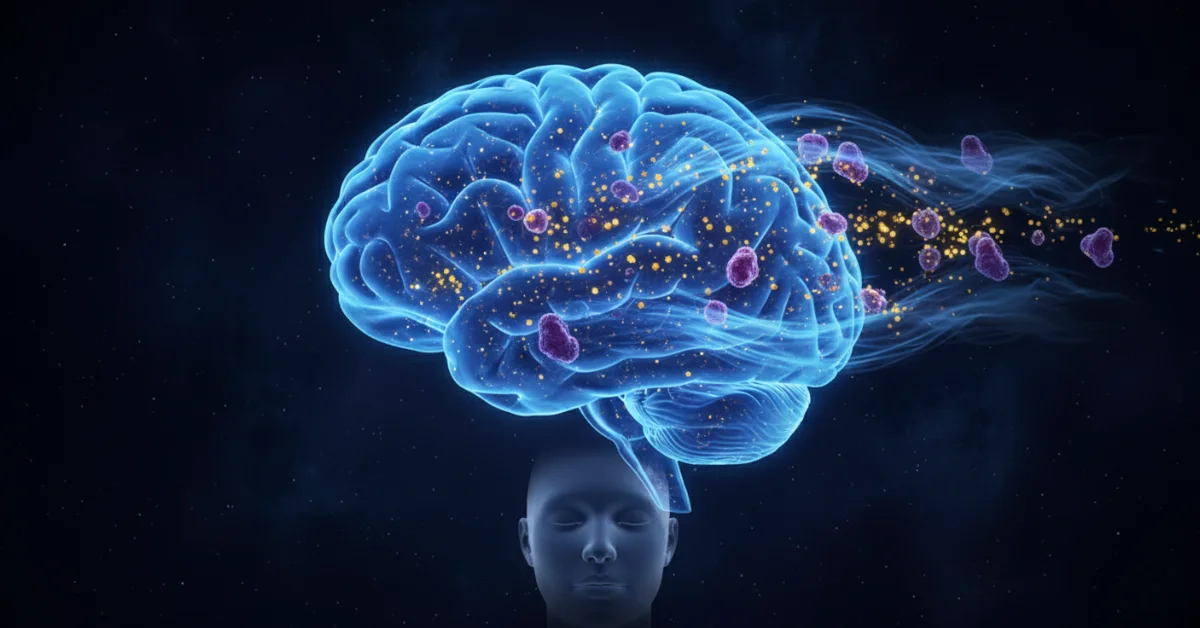
A recent study has revealed that a defect in the brain's "cleaning" mechanism could negatively impact children's mental health, potentially paving the way for the emergence of psychotic symptoms at early stages of life. These findings come at a time when concerns about mental health among children and adolescents are on the rise.
Research has shown that the brain possesses a natural mechanism to cleanse itself of waste and toxins, a process known as "cellular cleaning." When a malfunction occurs in this process, harmful substances can accumulate, leading to negative effects on mental and cognitive functions.
Details of the Study
The study conducted by a team of researchers at Columbia University utilized animal models to investigate the effects of defects in the brain's cleaning mechanism. The results showed that animals exposed to dysfunction in this mechanism exhibited behaviors similar to those seen in psychosis, such as social withdrawal and changes in behavior.
The researchers also noted that these findings may reflect a connection between mental brain health and the biological processes occurring within it. The study was published in the journal "Nature Neuroscience," adding to the growing evidence regarding the importance of mental health care from childhood.
Background & Context
Mental disorders are considered a global health issue affecting millions of children and adolescents. According to the World Health Organization, one in five children suffers from a mental disorder, highlighting the urgent need to understand the underlying causes of these disorders.
Historically, mental disorders were viewed as the result of environmental or genetic factors alone, but recent studies have begun to uncover the role of biological processes in the development of these disorders. This new research emphasizes the importance of understanding how cellular processes impact mental health.
Impact & Consequences
The findings of this study are significant as they may lead to the development of new early intervention strategies for cases of psychosis. If these results are confirmed, doctors may be able to better identify at-risk children and provide appropriate support and treatment at an earlier stage.
Furthermore, this research could contribute to the development of new medications targeting the brain's cleaning mechanism, which may improve the quality of life for children suffering from mental disorders.
Regional Significance
In the Arab region, there is an increasing need for a deeper understanding of children's mental health, as many communities suffer from psychological pressures due to conflicts and wars. This study could inspire researchers and policymakers in the Arab world to develop psychological support programs for children.
In conclusion, understanding the relationship between biological processes and mental health could be a crucial step toward improving mental health care for children, contributing to the building of healthier and more stable communities.