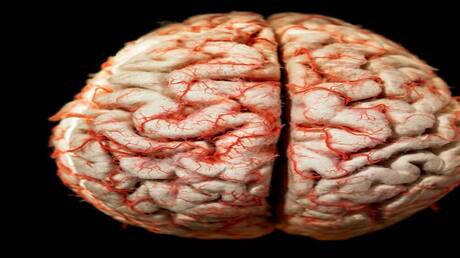
A recent study from York University in Canada highlights that AI-based computer vision systems do not operate with the same efficiency as the human brain, revealing a significant gap between modern technologies and natural capabilities.
Computer vision is a vital area in artificial intelligence, utilized in various applications such as facial recognition, image analysis, and self-assistance. However, these systems still face considerable challenges in simulating the way the human brain processes visual information.
Details of the Study
The study conducted by researchers at York University involved a detailed analysis of how visual information is processed by AI systems compared to the human brain. The results showed that current systems cannot recognize patterns with the same accuracy and speed as the brain, indicating a clear performance gap.
Researchers pointed out that this gap may stem from fundamental differences in how both artificial intelligence and the human brain operate. The human brain relies on a complex set of neural processes that involve learning from past experiences, whereas AI systems depend solely on the input data.
Background & Context
Computer vision is one of the most advanced fields in artificial intelligence and has seen significant advancements in recent years. However, the challenges faced by these systems remain, especially in areas such as object recognition in complex environments or dealing with unstructured information.
Historically, research in computer vision began in the 1970s but experienced qualitative leaps with the advent of deep learning technologies. Nevertheless, the gap between human performance and artificial performance suggests that more work is needed before these systems can be fully relied upon in sensitive applications.
Impact & Consequences
The implications of this study extend beyond academia, affecting various fields such as industry, healthcare, and security. Understanding the gap between artificial intelligence and human capabilities can help improve the design of future systems, leading to the development of more efficient and effective technologies.
Moreover, these findings may influence how artificial intelligence is utilized in daily life, as developers and users must be aware of the current limitations faced by these systems.
Regional Significance
In light of rapid developments in artificial intelligence, Arab countries must be aware of the challenges and opportunities that this technology presents. Investing in research and development in this field could help Arab nations enhance their technological capabilities and boost the digital economy.
Additionally, understanding the gap between artificial intelligence and human capabilities can guide educational and training policies, enhancing individuals' ability to adapt to rapid technological changes.
In conclusion, this study underscores the urgent need for further research to understand how to improve artificial intelligence systems to be more compatible with human capabilities, potentially opening new horizons in this vital field.