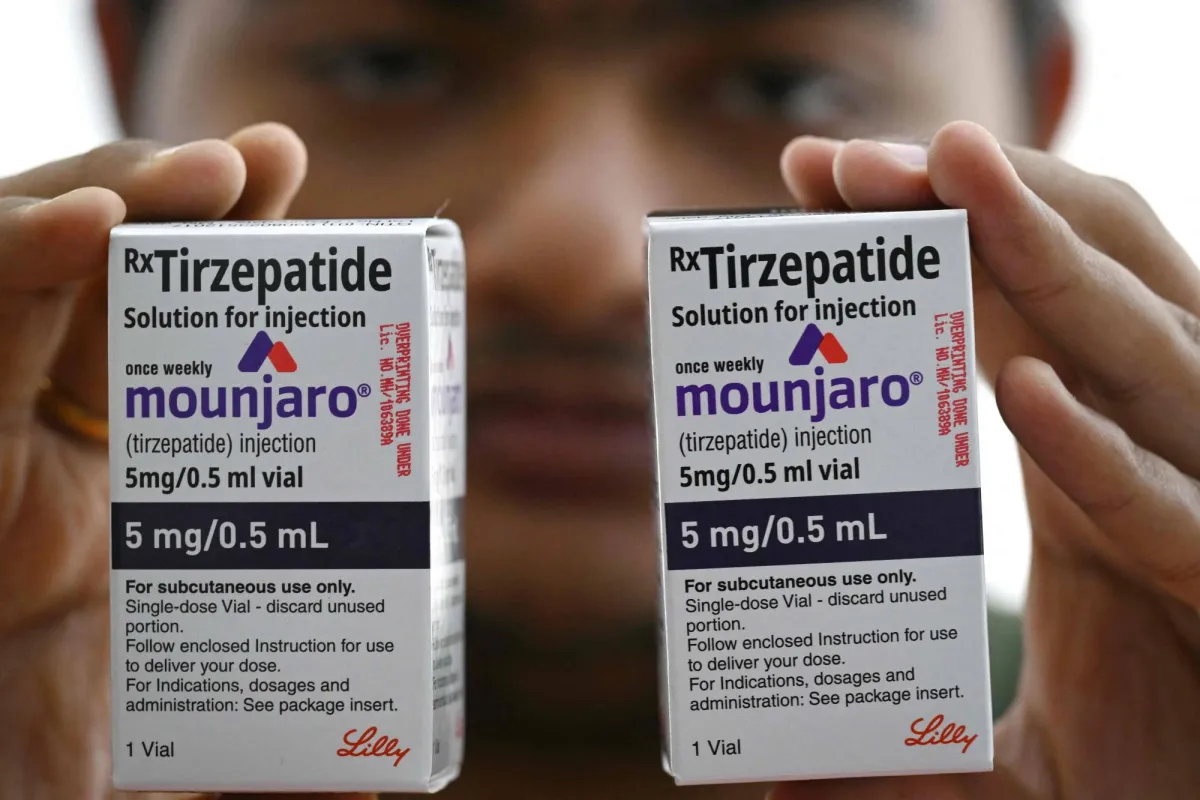
A new study conducted by Mayo Clinic has shown that integrating hormone therapy with the FDA-approved drug Tirzepatide can enhance weight loss in women experiencing weight gain after menopause. Women who utilized hormone therapy lost approximately 35% more weight compared to those who took the drug alone.
These findings highlight a potential new strategy for treating obesity, particularly in light of the hormonal changes that occur after menopause, which may increase the risk of obesity, heart disease, and type 2 diabetes.
Study Details and Findings
The study involved analyzing data from 120 postmenopausal women who were overweight or obese. Of these, 40 women received hormone therapy alongside Tirzepatide, while 80 women were given the drug alone. Results showed that women in the hormone therapy group lost an average of 19.2% of their body weight, compared to 14.0% in the group that did not use hormone therapy, reflecting a significant increase in weight loss.
Hormone therapy is typically used to alleviate menopausal symptoms such as hot flashes, while Tirzepatide works to regulate appetite and blood sugar levels. However, researchers emphasized that this study was observational and cannot establish a causal relationship between hormone therapy and additional weight loss.
Background & Context
Estimates suggest that postmenopausal women face greater challenges in maintaining a healthy weight due to hormonal changes. This study comes at a time when obesity rates among women are rising, necessitating the search for effective solutions. Hormone therapy may have positive implications for overall health, including reducing the risk of heart disease.
Obesity is one of the largest health challenges globally, affecting millions of individuals. Therefore, developing new strategies to treat it is essential.
Impact & Consequences
The results indicate the potential for developing more personalized and effective treatment strategies for postmenopausal women. Dr. Regina Castaneda, the lead author of the study, confirmed that these findings provide important insights for developing strategies to manage cardiovascular and metabolic risks.
However, hormone therapy must be approached with caution, as it is not recommended for all patients, particularly those with a medical history of certain types of cancer or blood clots.
Regional Significance
In the Arab region, where obesity rates among women are increasing, these findings may hold particular significance. This study could help raise awareness about the importance of addressing obesity after menopause and provide new treatment options that meet the needs of women in the community.
In conclusion, this study opens new horizons for understanding the relationship between hormone therapy and weight loss, potentially leading to improved health-related quality of life for postmenopausal women.