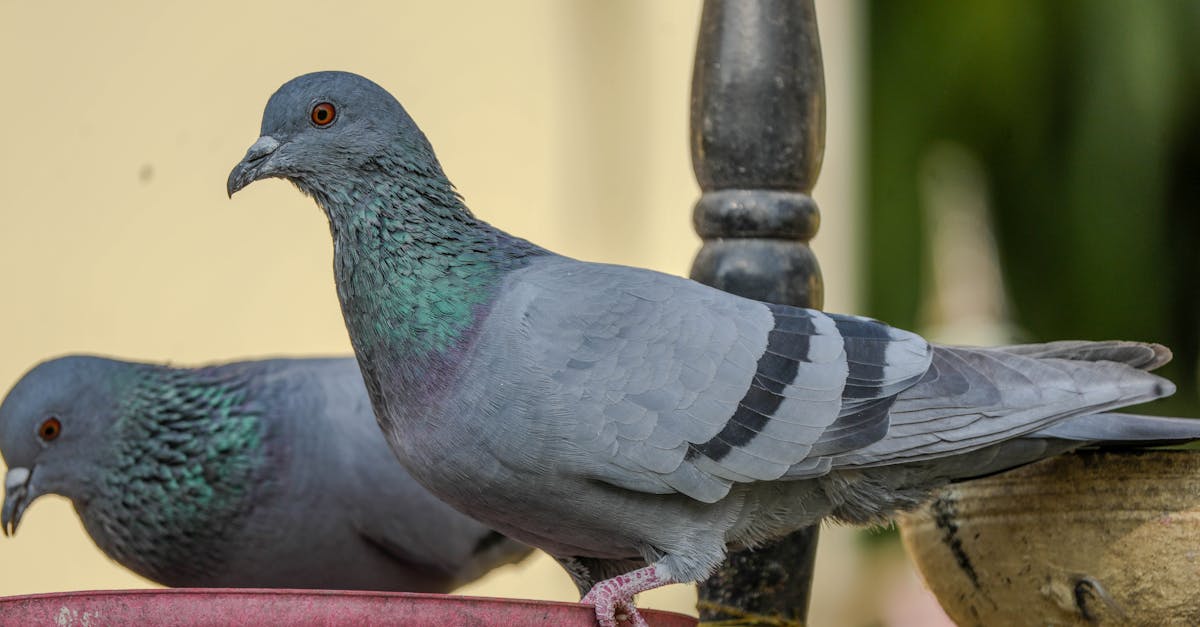
A recent study has found that homing pigeons might utilize their liver as a navigation tool, raising new questions about how these birds determine their directions. Researchers at the University of British Columbia conducted experiments on a group of pigeons, revealing that the liver plays a crucial role in guiding the birds during their journeys.
These findings are intriguing, as previous studies suggested that pigeons depend on a variety of senses, including sight and hearing, to locate themselves. However, this new research adds a new dimension to our understanding of how pigeons use their liver in the navigation process.
Details of the Experiment
In the experiment, pigeons were equipped with sensors to measure electrical activity in the liver during flight. The data showed that pigeons were better able to determine directions when the electrical activity levels in the liver were high. This discovery may explain why pigeons can return to their nests from great distances.
The researchers also noted that this type of navigation might be linked to the pigeons' ability to sense magnetic fields, reinforcing the hypothesis that the liver acts as an internal regulator that helps the birds determine directions.
Background & Context
Historically, homing pigeons have been used in many cultures as a means of communication and message delivery. These birds have proven their ability to return home even from far distances, making them a subject of numerous scientific studies. In recent years, research has increased regarding how pigeons use different senses for navigation, leading to new discoveries about these birds.
This study is part of broader efforts to understand how birds navigate in general, as navigation is a vital skill for survival in the wild. Additionally, understanding navigation mechanisms may aid in the conservation of endangered species.
Impact & Consequences
This discovery could have significant implications in various fields, including biology and ecology. Understanding how pigeons use their liver for navigation may open new avenues in the study of bird behavior. It could also assist in developing new technologies in areas such as aerial navigation and guidance.
Furthermore, these results may lead to further research on how environmental factors affect birds' navigation abilities, helping to protect endangered species by providing suitable environments for them.
Regional Significance
In the Arab region, homing pigeons are considered part of the cultural heritage, being used in flying competitions and breeding. These discoveries could enhance scientific understanding of pigeon behavior, potentially improving breeding methods and increasing their effectiveness in competitions.
Moreover, understanding navigation mechanisms may bolster conservation efforts for local bird species, contributing to the preservation of biodiversity in the region.