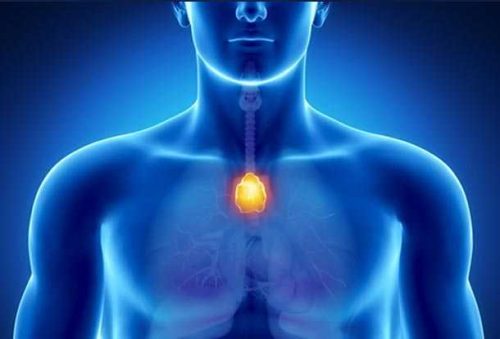
Recent scientific research has demonstrated that the thymus gland, a small organ located in the chest, plays a pivotal role in boosting immunity and slowing down aging, which may alter our understanding of public health. Studies indicate that this gland is associated with lower risks of cancer and heart diseases, opening new avenues for understanding how to improve overall health.
The thymus gland is situated in the upper part between the lungs, behind the sternum, and begins its function during the embryonic development period, contributing to the maturation of lymphocytes and the formation of T-cells. This gland continues to perform its vital role during childhood, where it is responsible for combating viruses and bacteria that invade the body later on.
Event Details
Although the thymus gland loses a significant portion of its functions during puberty, recent research led by Professor Hugo Aerts from the Mass General Brigham institution has emphasized its importance. The study published in the journal Nature showed that the thymus gland contributes to slowing down the aging of the body and enhancing immunity against serious diseases.
The study was based on the analysis of data from 27,612 participants from two long-term studies, where artificial intelligence was used to analyze CT scan images to assess the condition of the thymus gland. The results indicated that the health of the thymus gland is associated with a higher immune level, positively reflecting on overall health.
Background & Context
The thymus gland has been overlooked for decades, despite its potential to explain differences in aging rates among individuals. Previous studies have shown that the deterioration of thymus gland health can significantly impact patients' responses to cancer treatments, raising questions about how to improve the health of this gland.
In the study, other health-affecting factors such as age and comorbidities were controlled, revealing that the thymus gland serves as a strong indicator of patients' future health. Participants with a healthy thymus gland recorded a significant decrease in mortality rates associated with lung cancer and heart diseases.
Impact & Consequences
The study also revealed that the thymus gland is linked to levels of triglycerides, cholesterol, and blood pressure, where elevated levels of these indicators may lead to a decline in thymus health. Additionally, lifestyle plays a crucial role, as obesity and lack of physical activity have been associated with accelerated aging of the immune system.
The study's findings suggest that improving thymus gland health may reduce the risk of other diseases, such as diabetes and liver diseases, thereby enhancing the importance of caring for overall health.
Regional Significance
These findings are particularly significant for the Arab region, where many countries suffer from high rates of chronic diseases. Raising awareness about the importance of the thymus gland could contribute to improving public health and reducing disease rates.
If the positive relationship between the thymus gland and body health is confirmed, it could open new avenues for research on how to enhance public health through healthy lifestyle practices.