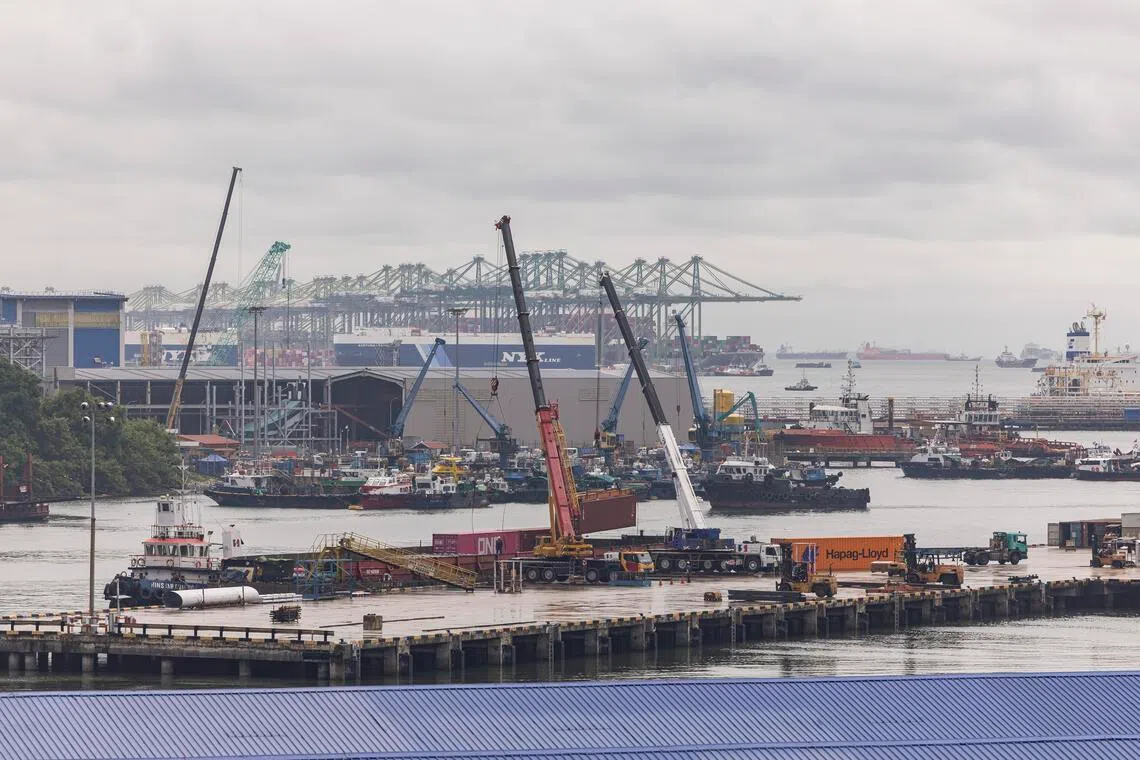
Singapore's Public Utilities Board (PUB) has announced the initiation of a new study aimed at protecting its southwestern coasts from rising sea levels. This study will cover a distance of 116 kilometers along the coast, starting from the Tuas area to Pasir Panjang. Scheduled to begin in 2026, this initiative reflects the Singaporean government's dedication to tackling escalating environmental challenges.
This study is the largest of its kind undertaken by the PUB, focusing on assessing potential risks associated with climate change and rising sea levels. It will include a series of scientific and technical analyses to determine the best methods for safeguarding the coastlines and local communities.
Details of the Study
The study will involve a comprehensive evaluation of environmental and climatic data, alongside the use of simulation models to predict the impacts of rising sea levels on the coast. The PUB will collaborate with a range of local and international experts to ensure the accuracy of the results and the effectiveness of the proposed solutions.
This initiative is part of Singapore's ongoing efforts to protect its marine and coastal environment, as the country is among those most vulnerable to the impacts of climate change. Notably, Singapore has experienced a significant rise in sea levels in recent years, necessitating urgent preventive measures.
Background & Context
Historically, Singapore has heavily relied on its coastlines as part of its economy, with maritime ports being crucial sources of income. However, global climate changes, including rising temperatures and polar ice melt, have led to increased sea levels that threaten these coastlines.
In recent years, the Singaporean government has implemented a series of projects to enhance coastal infrastructure, including the construction of sea barriers and raising coastal heights. Nevertheless, these efforts require ongoing evaluation to ensure their effectiveness in facing future challenges.
Impact & Consequences
This study represents a significant step towards enhancing Singapore's capacity to confront environmental challenges. The anticipated results are expected to lead to the development of effective strategies for coastal protection, contributing to the preservation of the local economy and the sustainability of coastal communities.
Moreover, this study may inspire other countries facing similar challenges, as Singapore can serve as a model for addressing the impacts of climate change. These efforts will help raise global awareness about the importance of coastal and marine environmental protection.
Regional Significance
While the study focuses on Singapore's coasts, the impacts of climate change and rising sea levels pose a global challenge affecting many countries, including those in the Arab region. Some Arab nations face similar issues, particularly those located along coastlines such as Egypt and Lebanon.
Arab countries can benefit from Singapore's experiences in tackling these challenges by developing local strategies to protect their coastlines and enhance their resilience to climate changes.
In conclusion, this study represents a strategic move towards safeguarding Singapore's coasts and reflects the government's commitment to addressing environmental challenges. Leveraging this experience could be beneficial for other countries, including those in the Arab region, facing similar threats.