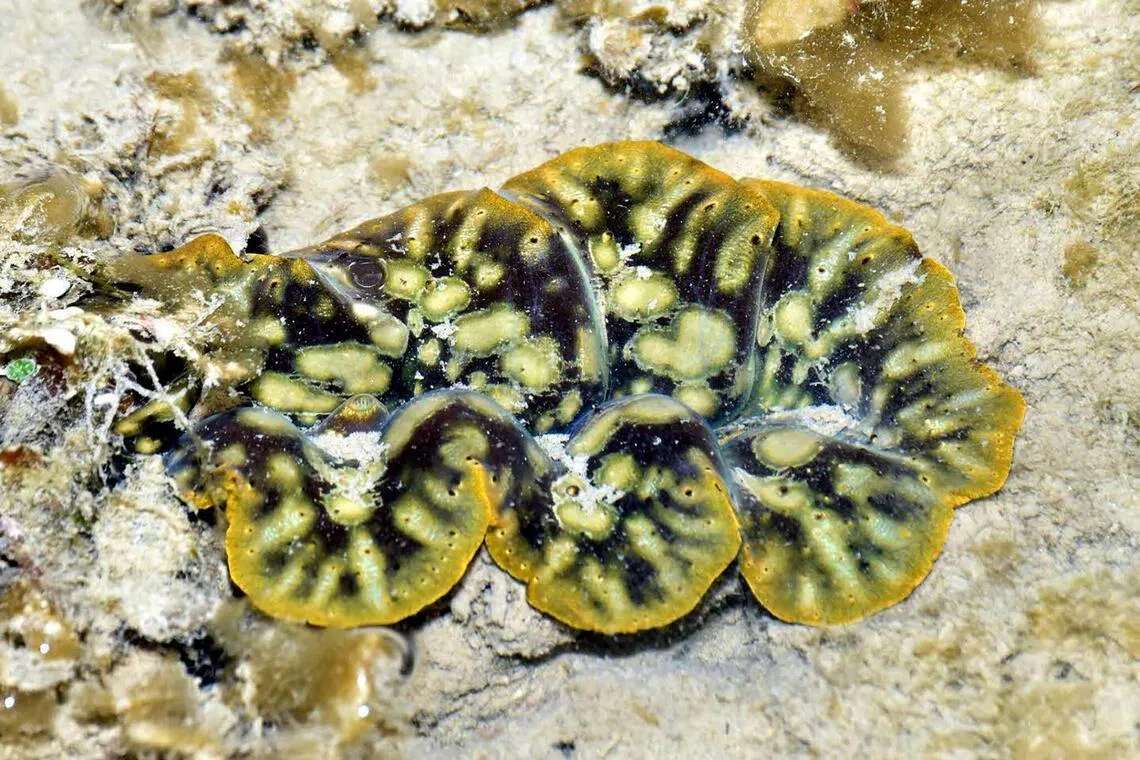
Southeast Asia is witnessing a notable decline in giant clam populations, which include eight of the twelve species existing worldwide. The current situation necessitates urgent actions to stop overfishing and improve restoration efforts.
Giant clams are vital marine organisms that play a crucial role in the marine ecosystem. However, overfishing and other human activities threaten the survival of these species. Reports indicate that the numbers of these creatures have significantly decreased in recent years, raising concerns among scientists and environmental activists.
Details of the Situation
Giant clams inhabit the shallow waters of oceans and are among the largest clams in the world, with weights reaching up to 200 kilograms. However, commercial overfishing has led to a drastic reduction in their populations. Additionally, the destruction of natural habitats due to pollution and climate change exacerbates the problem.
Many environmental organizations are striving to enhance protection efforts, launching campaigns to raise awareness about the importance of giant clams and their role in maintaining biodiversity. Strategies have also been proposed to improve restoration processes, including cultivating clams in specialized farms.
Background & Context
Historically, giant clams have been considered an important food source for many coastal communities in Southeast Asia. As demand for them has increased, overfishing practices have also escalated, leading to a decline in their numbers. In recent years, some species have been listed as endangered, necessitating urgent action for their protection.
Giant clams are part of the cultural heritage of many countries in the region, being used in arts and crafts. However, environmental and economic challenges require a balance between conserving these species and utilizing them sustainably.
Impact & Consequences
The decline in giant clam populations can have negative effects on the marine ecosystem, as these organisms play a significant role in water purification and providing habitats for other marine creatures. Their loss may also impact local communities that rely on them for their livelihoods.
This crisis requires international cooperation, as concerned nations must work together to establish effective policies for the protection of giant clams. This includes imposing restrictions on overfishing and developing effective restoration programs.
Regional Significance
Although giant clams do not inhabit Arab waters, the environmental issues faced by Southeast Asia reflect similar challenges in the Arab region. Climate change and pollution pose significant threats to marine resources in Arab countries, necessitating urgent actions to protect these resources.
Arab nations can benefit from international experiences in marine species protection and sustainability promotion, contributing to the preservation of biodiversity in the region.