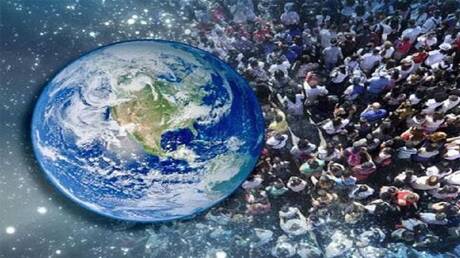
A recent study from Flinders University in Australia reveals that the global population, now at 8.3 billion, significantly surpasses the Earth's environmental capacity. These figures indicate that rapid population growth places immense pressure on ecosystems, leading to environmental degradation and worsening the climate crisis.
This study serves as a wake-up call for the international community, as concerns grow that unsustainable population growth could lead to dire consequences for the planet. Research has shown that natural resources are depleting at an alarming rate, threatening life on Earth.
Event Details
The study includes a comprehensive analysis of available environmental resources compared to the current population. The results show that the excessive consumption of natural resources, such as water, energy, and food, far exceeds what the Earth can sustain. This means that ecosystems are under increasing stress, leading to environmental degradation.
Moreover, the study indicates that the rising population exacerbates global warming, as greenhouse gas emissions increase due to human activities. Therefore, the environmental challenges facing humanity require urgent responses from governments and communities.
Background & Context
Over the past decades, the world has witnessed a significant increase in population, leading to heightened pressure on natural resources. In 1950, the global population was around 2.5 billion, while it is projected to reach 9.7 billion by 2050. This population growth raises questions about how to meet human needs without harming the environment.
Historically, there have been numerous attempts to curb population growth, such as family planning programs, but these efforts have not been sufficient to address current challenges. Understanding the relationship between population growth and environmental resources is vital to ensuring a sustainable future.
Impact & Consequences
The findings suggest that exceeding the Earth's environmental capacity could worsen environmental crises, such as water and food shortages. These crises may lead to increased conflicts over resources, threatening social and economic stability in many countries.
Furthermore, these challenges can impact public health, as the risks associated with air and water pollution increase, leading to the spread of diseases. Thus, addressing these issues requires international coordination and cooperation among nations.
Regional Significance
In the Arab region, many countries face challenges related to population growth and resources. Some countries are experiencing severe water shortages, which increases pressure on ecosystems. Additionally, population growth affects food security, as the need for sustainable food resources rises.
These challenges require effective strategies for sustainable development, including improved management of natural resources and enhanced education on population growth issues. Addressing these matters is crucial to ensuring a safe and sustainable future for the region.
In conclusion, this study emphasizes the importance of awareness regarding the risks associated with population growth and its impact on the environment. Striving for a balance between population numbers and available resources is essential to ensure the sustainability of our planet for future generations.