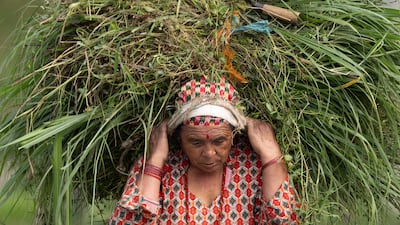
In a scene that embodies cultural diversity and natural beauty, a stunning array of photographs has been observed from various parts of the world, showcasing everything from the lush rice fields of Kathmandu to the towering peak of Mount Fuji in Japan. These images are not merely fleeting snapshots; they tell stories and tales from the lives of people and the environment.
The photographs depict farmers in Kathmandu diligently working in the rice fields, where their traditional agricultural skills are evident. These farms are not only a source of livelihood but also represent a significant part of the region's cultural heritage. Conversely, Mount Fuji stands as a symbol of peace and natural beauty, attracting tourists from around the globe to enjoy its splendor.
Details of the Captured Moments
The images taken in Kathmandu show farmers toiling hard in the rice fields, where agriculture is a fundamental aspect of local life. The photographs also highlight traditional farming techniques that are still practiced in the area, reflecting the deep connection between the people and the land.
Mount Fuji, on the other hand, is regarded as a cultural and natural icon in Japan, drawing visitors from all over the world. Activities around the mountain range from climbing to photography, making it a unique tourist destination. The captured images showcase the mountain's beauty at different times of the day, highlighting the variations in colors and shadows.
Background & Context
Historically, agriculture in Nepal is considered a part of the country's cultural identity, with many residents relying on farming as their primary source of livelihood. In Kathmandu, the rice fields are an integral part of the cultural heritage, utilizing traditional agricultural techniques that date back centuries.
In Japan, Mount Fuji is seen as a symbol of national spirit and has been depicted in numerous artistic and literary works. The mountain is associated with many myths and folklore, enhancing its cultural value.
Impact & Consequences
These photographs illustrate the importance of preserving cultural and natural heritage, reflecting the challenges communities face in maintaining their traditions amidst global changes. They also emphasize the need to promote sustainable tourism that respects the environment and local cultures.
These images serve as a call to reflect on the beauty of nature and the importance of preserving it, inspiring future generations to safeguard their cultural and natural heritage.
Regional Significance
In the context of Kathmandu, the rice fields not only provide sustenance but also foster community ties and cultural practices that have been passed down through generations. The preservation of these agricultural traditions is vital for maintaining the region's identity.
Mount Fuji's significance extends beyond its physical presence; it embodies the spirit of Japan and serves as a focal point for cultural expression, tourism, and environmental awareness. The ongoing appreciation for its beauty reinforces the importance of protecting such natural landmarks.
In conclusion, the stunning photographs from Kathmandu to Mount Fuji highlight the interconnectedness of culture and nature, urging us to recognize and preserve the beauty that surrounds us.