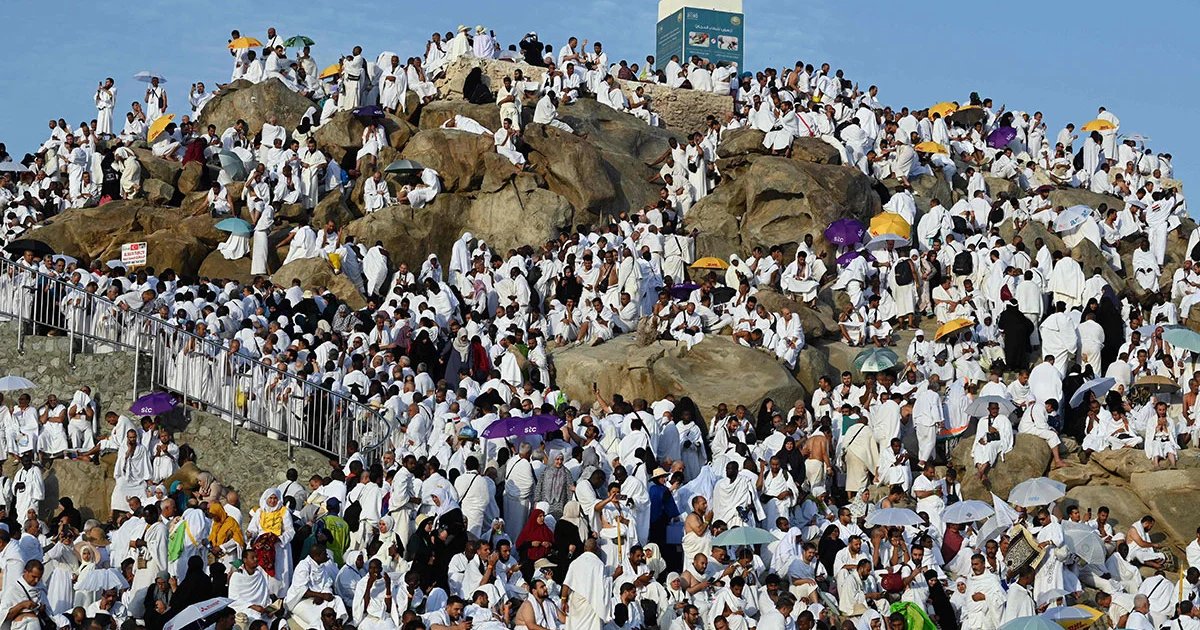
The Ministry of Hajj and Umrah in Saudi Arabia announced the success of the pilgrim management plan for the Hajj season 1445, where the movement of pilgrims was organized with high efficiency, contributing to the safe and orderly performance of Hajj rituals. The ministry indicated that this success resulted from careful planning and coordination among various relevant authorities.
The management plan included organizing pilgrims into groups, with precise schedules set for their departure to the holy sites. Necessary transportation was provided to ensure smooth transitions between different locations. Pilgrims expressed their satisfaction with the services offered, reflecting the efforts made by the Saudi government.
Event Details
This year's management plan included several phases, dividing pilgrims into small groups to facilitate transportation. Modern buses equipped with all necessary comforts were prepared, along with specialized teams to assist pilgrims at every stage of their journey. Modern technologies were also utilized to monitor the movement of pilgrims and ensure their safety.
The ministry emphasized the importance of this plan in achieving the desired objectives, as it contributed to reducing congestion and providing a safe environment for pilgrims. A noticeable improvement in the level of services provided was recorded, reflecting the Kingdom's commitment to offering the best possible experience for pilgrims.
Background & Context
This initiative is part of Saudi Arabia's ongoing efforts to enhance Hajj and Umrah services. In recent years, there has been a significant increase in the number of pilgrims, necessitating the development of new strategies to meet their needs. The Saudi government is working to enhance infrastructure and improve the services offered to ensure a comfortable and safe experience for pilgrims.
Historically, Hajj is one of the five pillars of Islam, attracting millions of Muslims from around the world. With the increasing number of pilgrims, the need for effective management plans to ensure their safety and comfort has become urgent.
Impact & Consequences
The success of this year's management plan may enhance the Kingdom's reputation as a leading destination for organizing Hajj rituals. This success could attract more pilgrims in the coming years, boosting the local economy and increasing revenues from religious tourism.
Moreover, this success reflects the Kingdom's ability to manage major events efficiently, enhancing confidence in its capacity to organize international events. This could have a positive impact on international relations, encouraging other countries to collaborate with the Kingdom in similar fields.
Regional Significance
The success of the pilgrim management plan has positive implications for the entire Arab region. Hajj symbolizes Islamic unity, and the Kingdom's success in organizing it reflects its ability to strengthen ties among Islamic countries. This achievement could encourage other nations to improve their services in the field of religious tourism.
Furthermore, enhancing the Hajj experience can contribute to fostering understanding and cooperation among Arab and Islamic countries, promoting stability and development in the region.
In conclusion, the success of the pilgrim management plan reflects Saudi Arabia's commitment to providing the best services for pilgrims and reinforces its position as a leading destination for organizing Hajj rituals. This success is not only a local achievement but also has positive implications at the regional and international levels.