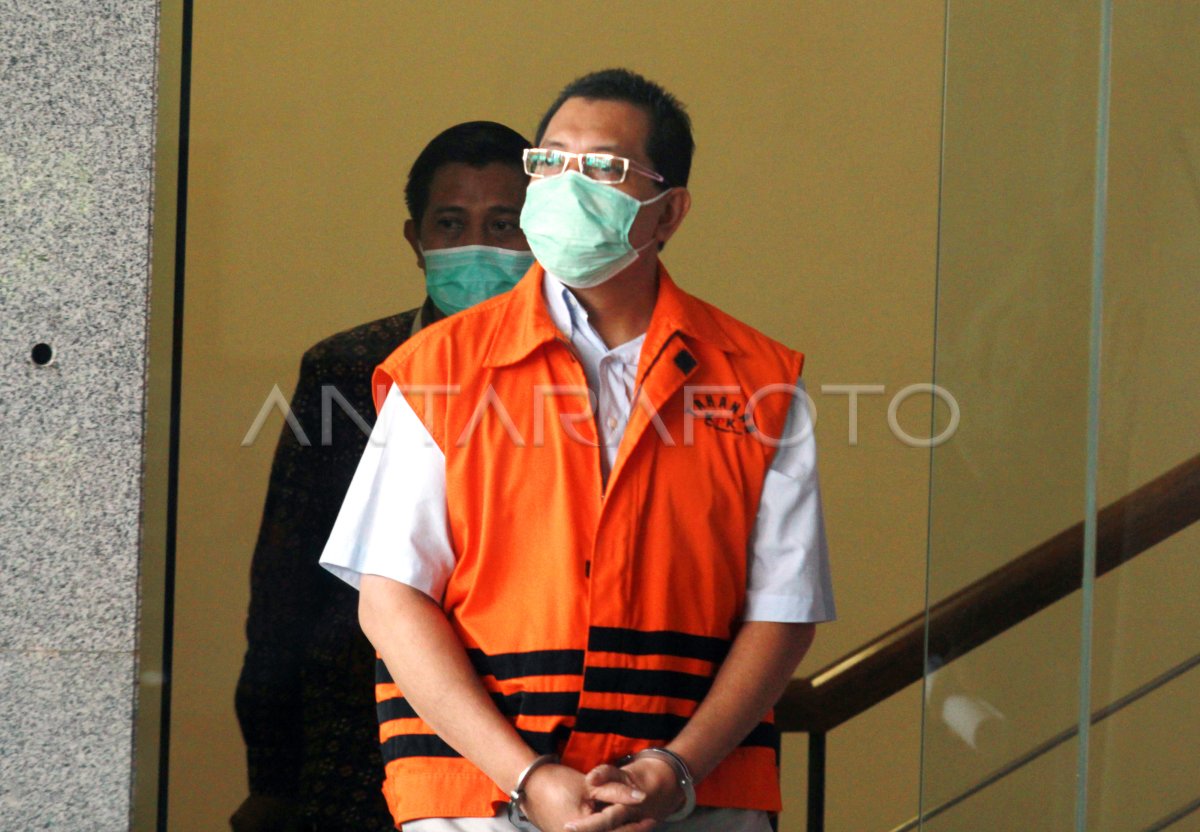
The Indonesian Corruption Eradication Commission (KPK) has summoned directors and employees of PT Samudra Intan Permata as witnesses in a corruption case related to food aid distribution. KPK spokesperson Budi Prasetyo confirmed that the summons includes RMH, the company's general director, along with two employees, EDD and DW. The investigations will take place at the police headquarters in East Java.
This action follows KPK's announcement on March 15, 2023, regarding the initiation of investigations into a corruption case concerning food aid distribution for families benefiting from the Keluarga Harapan Program during 2020 and 2021. Preliminary investigations revealed that corruption within this program has cost the state approximately 326 billion Indonesian rupiah.
Details of the Case
On August 23, 2023, KPK announced the names of the accused in this case, including Ivo Wongkarin, the executive director of Mitra Energi Persada, and Roni Ramdhani, a member of the advisory team at Primalayan Teknologi Persada. Also summoned was Muhammad Konsoro Wibo, the executive director of BGR Logistics, as part of the list of accused individuals.
The investigations also involve summoning several prominent business figures, indicating that the case may expand to include more names. Additionally, four individuals have been prohibited from leaving the country as part of the legal measures taken.
Background & Context
This corruption case is part of the Indonesian government's efforts to combat rampant corruption in the country, which has affected numerous sectors, including social assistance. Reports have shown that corruption in food aid distribution has deprived needy families of the support they require.
Historically, Indonesia has witnessed numerous corruption cases that have led to a loss of trust in government institutions. These cases have strengthened the role of KPK as a regulatory body aimed at holding corrupt individuals accountable and recovering embezzled funds.
Impact & Consequences
This case carries significant implications for the reputation of the Indonesian government, potentially affecting citizens' trust in social programs. Ongoing investigations may lead to changes in policies regarding aid distribution, reflecting the need for greater transparency and accountability.
Furthermore, this case could enhance international efforts to combat corruption, as other countries look to Indonesia as a model in addressing corruption. The government's swift response may reflect its commitment to tackling this issue.
Regional Significance
This corruption case exemplifies the challenges faced by countries in the realm of good governance. In the Arab region, corruption issues also stand out as major obstacles to sustainable development. Cooperation between Arab countries and Indonesia in combating corruption could contribute to improving economic and social conditions.
In conclusion, this case represents an opportunity to reassess government policies and enhance transparency, which may lead to improved trust between the government and citizens.