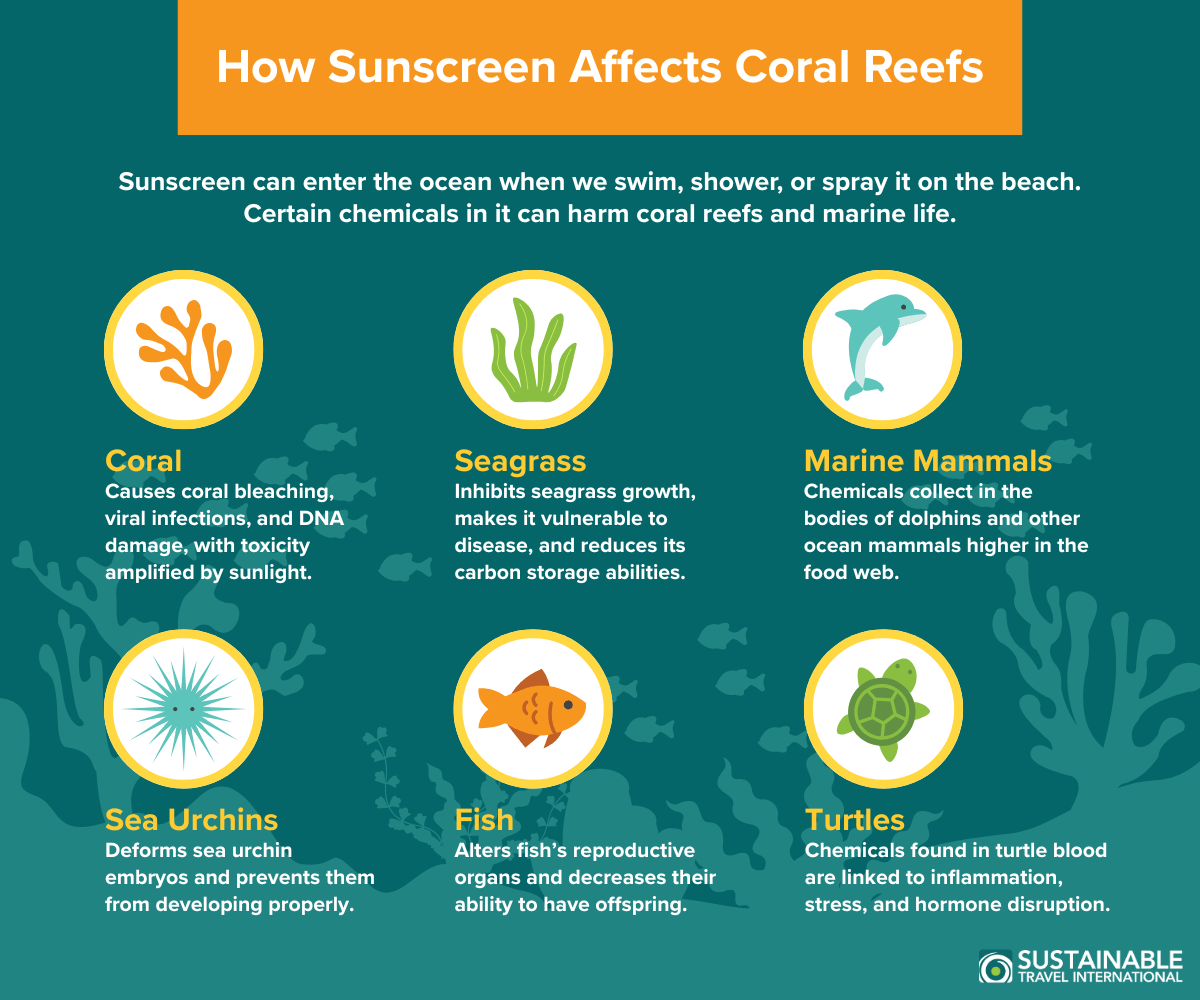
Recent research indicates that most sunscreens contain chemicals that negatively impact coral reefs, alarming scientists and environmentalists worldwide. These substances, such as oxybenzone and octocrylene, are considered key ingredients in many sun protection products, and studies have shown that they lead to coral bleaching and the destruction of marine habitats.
Coral reefs are particularly affected during the summer months when the number of tourists using sunscreens while swimming and diving increases. This situation places additional stress on the marine ecosystem, which is already suffering from climate change and pollution.
Event Details
A study conducted by the University of Florida found that the chemicals in sunscreens can destroy coral reefs within minutes of exposure to water. These findings highlight the urgent need to seek safe and environmentally friendly alternatives. Researchers also noted that using sunscreens with natural ingredients could be an effective solution.
In a related context, some countries, such as Hawaii and Bora Bora, have imposed bans on the sale of sunscreens containing these harmful substances, reflecting the growing awareness of the importance of protecting the marine environment. These steps serve as a model for other countries facing similar environmental challenges.
Background & Context
Historically, coral reefs have been regarded as one of the most diverse ecosystems on Earth, providing habitats for thousands of marine species. However, human activities, including overfishing and pollution, have led to the degradation of these ecosystems. In recent years, climate change has emerged as one of the greatest threats to coral reefs, with rising ocean temperatures causing bleaching.
Coral reefs also serve as a livelihood for millions of people worldwide, as many rely on marine tourism and fishing. Therefore, preserving these ecosystems is not only an environmental necessity but also an economic and social imperative.
Impact & Consequences
Studies confirm that the degradation of coral reefs can lead to a loss of biodiversity, negatively affecting marine food chains. This situation may result in a shortage of food resources for many coastal communities, threatening their livelihoods. Additionally, the loss of coral reefs can impact tourism, which is a major source of income for many countries.
Furthermore, the decline of coral reefs contributes to increased climate change, as these reefs play a vital role in regulating marine climate. Thus, protecting coral reefs should be a global priority.
Regional Significance
In the Arab region, there are rich coral reefs, particularly in the Red Sea and the Arabian Gulf. These reefs are home to a large number of marine species and play an important role in marine tourism. However, the threats facing coral reefs in this region are increasing, necessitating immediate action to protect them.
Arab countries can benefit from the successful experiences of other nations in imposing bans on harmful substances and developing environmentally friendly sunscreen products. This approach can enhance efforts to protect the marine environment and ensure the sustainability of marine resources for future generations.