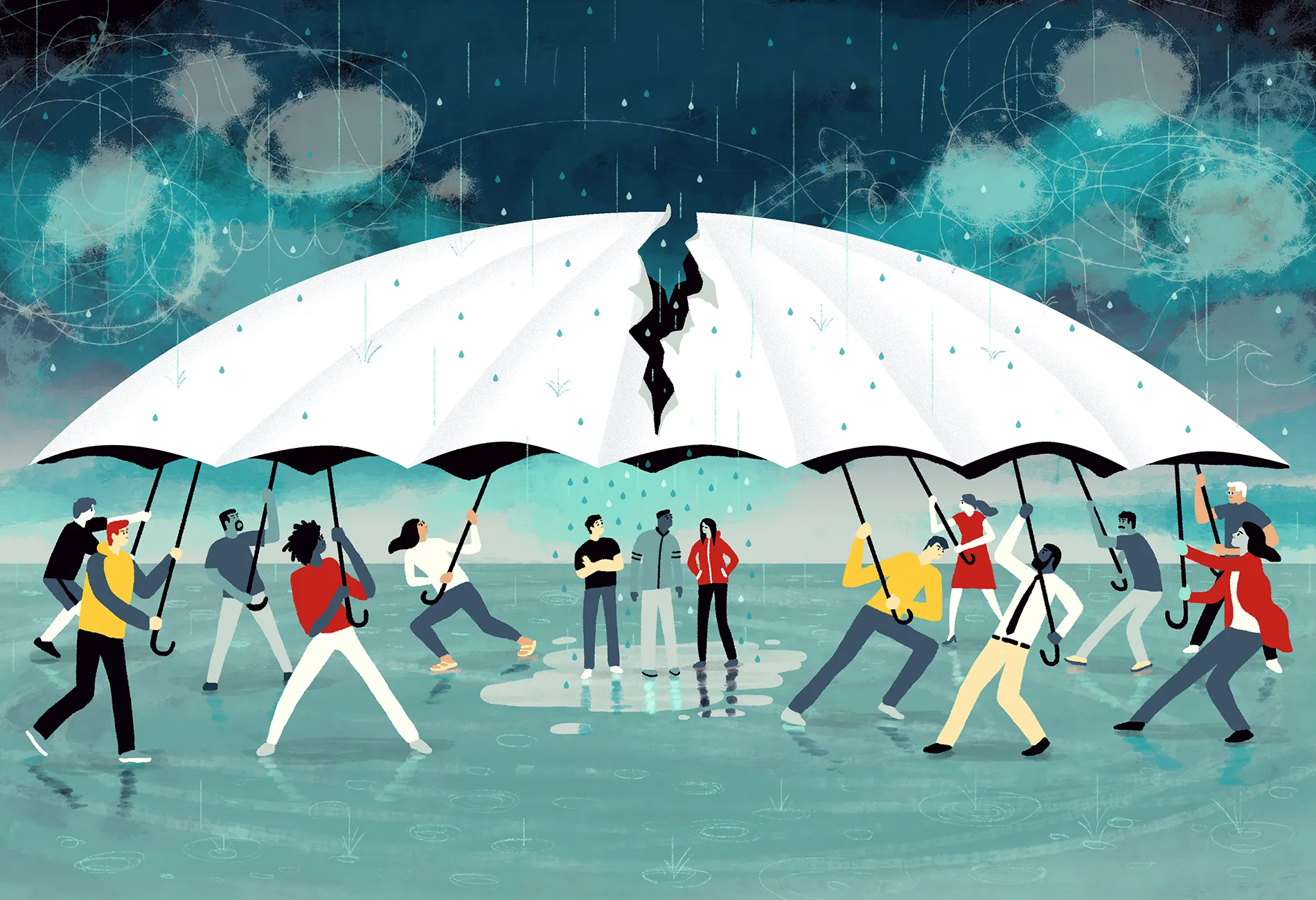
The need for support for individuals with autism spectrum disorder is increasing during crises and wars, as these individuals face additional challenges that require special attention from society and the state. Wars and armed conflicts significantly affect the most vulnerable groups, including those with autism spectrum disorder, who require special care and psychological and social support.
In many conflict-affected areas, children and adults with autism spectrum disorder suffer from a lack of health and educational services. This deficiency exacerbates their problems, necessitating urgent interventions from governments and non-governmental organizations.
Event Details
Reports indicate that individuals with autism spectrum disorder in conflict zones are exposed to high levels of stress and anxiety, impacting their mental health. In some cases, they are separated from their families, increasing their feelings of isolation and vulnerability. This situation requires a swift response from relevant authorities to provide a safe and supportive environment for them.
Some organizations are striving to provide psychological and social support for individuals with autism spectrum disorder through educational and training programs aimed at enhancing their skills and providing suitable job opportunities. These initiatives are considered a positive step towards their integration into society, but they require further support and funding.
Background & Context
Historically, communities have neglected the needs of individuals with autism spectrum disorder, especially during crises. Despite the existence of international laws supporting the rights of persons with disabilities, the implementation of these laws remains weak in conflict areas. The societal understanding of autism spectrum disorder still needs improvement, as these individuals are often stigmatized rather than supported.
In recent years, some countries have begun to recognize the importance of supporting individuals with autism spectrum disorder, particularly in light of the growing global awareness of human rights. However, there is still much work to be done to ensure they receive the necessary support.
Impact & Consequences
Security and political conditions affect the ability of individuals with autism spectrum disorder to access basic services. The lack of appropriate education and healthcare can exacerbate their mental health issues. Additionally, social isolation may worsen behavioral symptoms, making it more difficult for them to integrate into society.
These challenges require a comprehensive response from governments and civil society, as there must be clear strategies to support individuals with autism spectrum disorder during crises. Providing psychological and social support can contribute to improving their quality of life and enhancing their ability to cope with difficult circumstances.
Regional Significance
The Arab region is among the most affected by armed conflicts, increasing the need for support for individuals with autism spectrum disorder. Providing support to these individuals can contribute to building more resilient communities capable of facing challenges. Additionally, their integration into society enhances social cohesion and reduces tensions.
In conclusion, supporting individuals with autism spectrum disorder should be a priority in relief and development plans in conflict areas. Raising awareness and providing the necessary resources can make a significant difference in the lives of these individuals, contributing to building a better future for all.